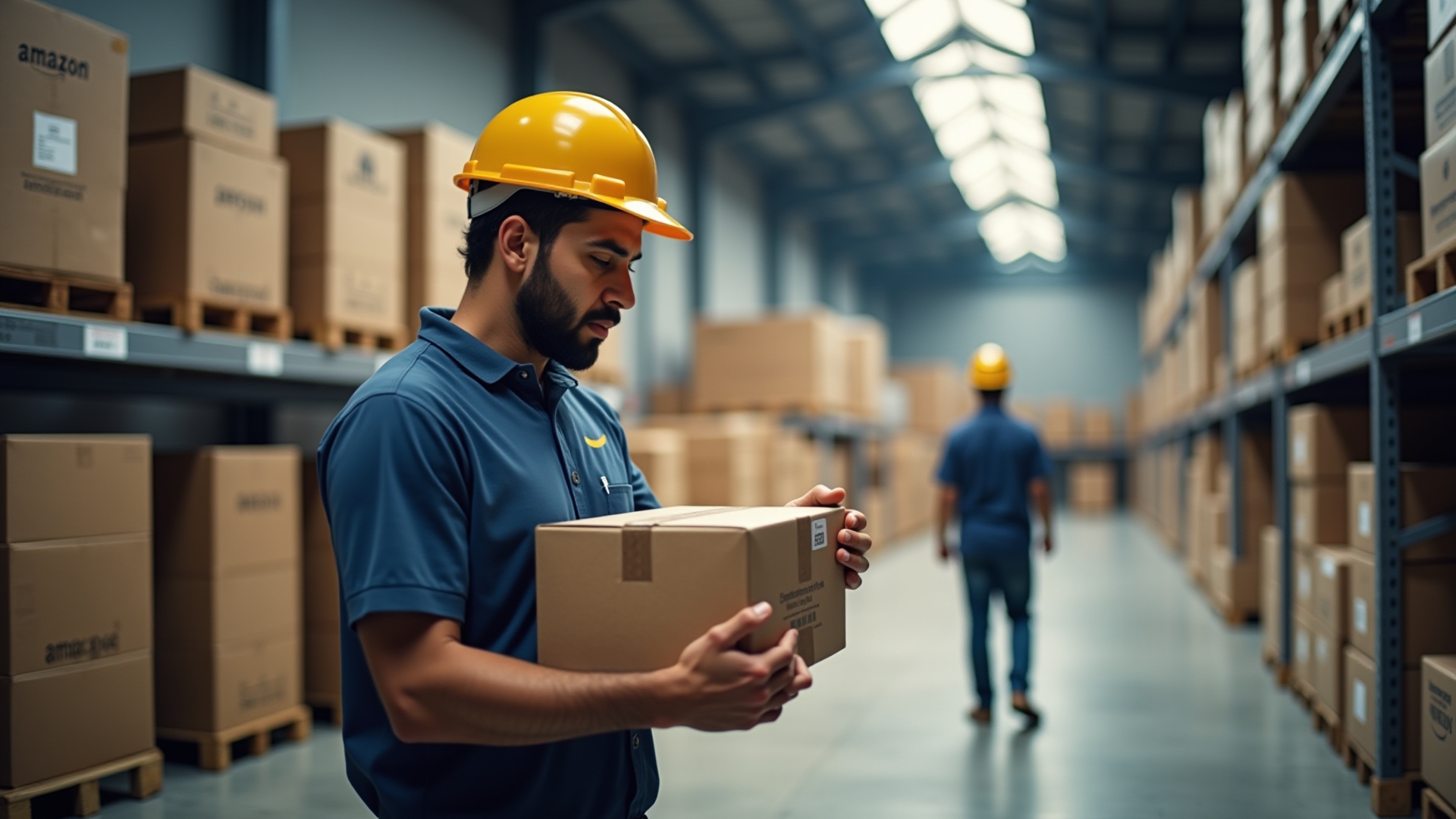
As a leader navigating the complexities of India’s digital commerce landscape, you cannot afford to ignore a seismic shift reshaping the market. Amazon’s strategic expansion into India’s non-metro cities is not simply a geographic pivot; it is a signal of the evolving contours of e-commerce growth driven by new consumer bases, logistical challenges, and innovative business models. This development demands your attention because it directly impacts how you acquire customers, manage fulfillment, and position your brand or platform for sustained success.
Why This Matters to You
Amazon’s recalibrated focus on tier-2 and tier-3 cities reflects where the future growth in Indian e-commerce truly lies. If your business has concentrated on metropolitan hubs until now, it’s time to reassess. Non-metro markets represent a vast, underpenetrated opportunity, where digital literacy and spending power are rising rapidly. Ignoring this shift means missing out on a significant segment of customers who will define the next wave of online retail expansion.
Moreover, as you optimize your costs and unit economics, new regional dynamics will influence customer acquisition costs, retention patterns, and last-mile delivery efficiencies. Understanding these emerging customer behaviors and infrastructure realities is crucial for you to outperform competitors and deepen customer loyalty.
What Is Happening: Amazon’s Non-Metro Market Gambit
Historically, India’s e-commerce engines have thrived in metropolitan areas due to more advanced internet penetration, stronger logistics networks, and higher consumer purchasing power. Amazon’s bet now is on the burgeoning middle-class population in smaller cities and towns, where digital adoption is accelerating and consumer demand is evolving.
This strategic move involves refining marketplace offerings to suit regional preferences, investing heavily in local seller ecosystems, and innovating last-mile delivery models tailored to the constraints and opportunities of diverse geographies. It is a comprehensive approach that balances cost, speed, and customer experience to capture new growth ahead of competitors.
Implications for E-Commerce Stakeholders
This shift has implications across multiple facets of India’s digital commerce ecosystem:
- For E-commerce Founders and Digital Retail Executives: You must rethink customer acquisition strategies by incorporating regional digital literacy, device preferences, and payment behaviors. This ensures your marketing and product strategies resonate authentically with these new consumers.
- Quick Commerce and Logistics Leaders: Scalability is paramount. You need custom-built fulfillment and inventory management solutions that cope with uneven infrastructure and variable demand patterns prevalent outside metros.
- Investors and Growth Strategists: Amazon’s pivot validates the expanding digital commerce landscape in India’s hinterlands. Winning here requires a granular focus on unit economics and sustainable profitability outside traditional urban strongholds.
- Policymakers: It is essential to foster supportive infrastructure, digital payments ecosystems, and regulatory frameworks that facilitate inclusive digital commerce growth.
Strategic Insight: Why Amazon’s Shift Is a Bellwether for E-Commerce Evolution
Amazon’s non-metro expansion underscores a broader market truth: growth at the top is saturating, and the real volume lies in itemizing growth across diverse regions with distinct consumer nuances. This shift speaks to the need for you to invest deeply in hyperlocal strategies—leveraging localized assortments, seller partnerships, and differentiated customer engagement tactics.
Additionally, optimizing last-mile delivery is no longer just a logistics challenge but a strategic enabler of customer retention and lifetime value. Efficiency in delivery in smaller cities with less predictable infrastructure can become your competitive moat.
“In e-commerce, growth matters — but retention is what turns traffic into a business.”
“The real edge is not only in selling faster, but in building a brand, a system, and a customer relationship that lasts.”
Practical Takeaways for Your Business
- Develop regional market intelligence focusing on emerging non-metro consumer preferences and digital behaviors.
- Invest in scalable, flexible last-mile delivery and fulfillment networks adapted for smaller cities and towns.
- Expand your product assortment by integrating hyperlocal and regionally relevant inventory options.
- Leverage digital payments and seamless checkout flows tailored to new consumer cohorts to improve conversion and retention.
- Build partnerships with local sellers and service providers to deepen market reach and relevance.
- Monitor policy and infrastructure developments that could accelerate open commerce models, including ONDC.
Risks and Challenges to Consider
While the growth potential is undeniable, expanding into non-metro markets brings operational complexities. Inconsistent infrastructure, variable connectivity, and diverse socio-economic profiles mean your customer acquisition cost might initially rise. Logistics unpredictability can pressure margins unless offset by innovation.
Additionally, understanding regional language, cultural nuances, and payment habits presents a learning curve. Failure to customize your approach risks alienating these valuable consumers and ceding ground to competitors with better local insight.
What You Should Watch Next
Keep a close eye on how Amazon and other marketplace players refine their hyperlocal fulfillment hubs and local seller integration. Innovations in AI-driven personalization tailored to regional tastes, and advances in digital payment inclusivity, will also be key indicators of how these markets mature.
Furthermore, developments around ONDC and government infrastructure initiatives will materially influence how quickly and sustainably these markets scale.
Conclusion: Embracing the E-Commerce Growth Beyond Metros
Amazon’s strategic shift toward India’s non-metro markets is far more than a geographic expansion. For you, it’s a clear signal that the future of e-commerce growth requires embracing the diversity and complexity of India’s emerging cities and towns. This shift challenges you to rethink customer acquisition, logistics execution, product strategy, and partnership models.
By proactively adapting to this landscape, you don’t just access new customer bases—you build competitive resilience and lay the groundwork for sustainable leadership in one of the most dynamic global e-commerce ecosystems.
“When logistics, customer trust, and unit economics align, digital commerce growth becomes far more durable.”
Stay informed, stay agile, and position your business to win the next phase of India’s e-commerce evolution.