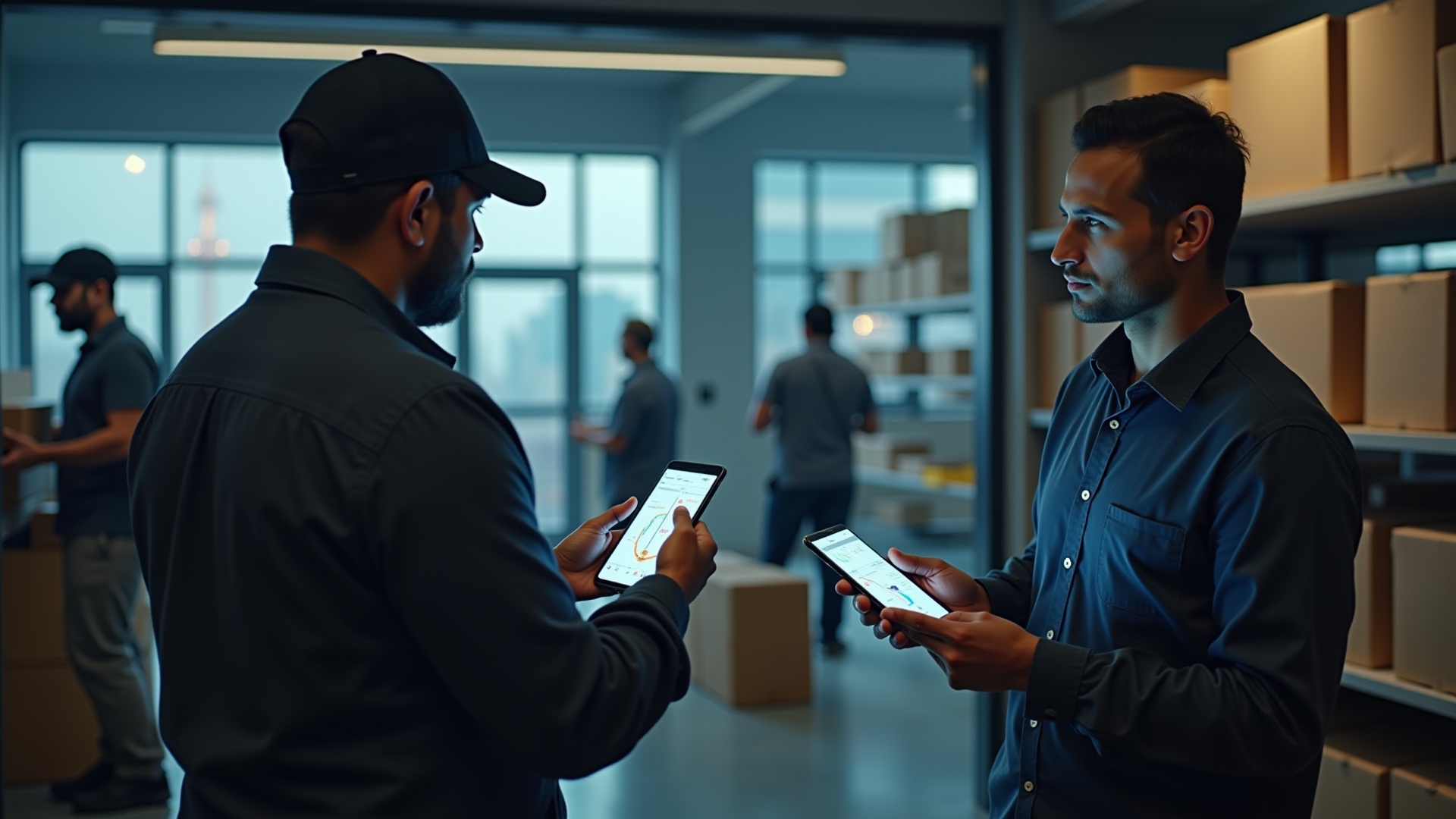
As a leader in India’s e-commerce or digital retail space, you understand that the convenience economy has been a formidable growth engine fueling rapid expansion across tiers 1 to 3. But now, rising operational costs are putting pressure on your ability to maintain the promise of instant and hassle-free delivery. This isn’t just a fleeting challenge; it signals a fundamental shift that demands you recalibrate your strategies around fulfillment, customer engagement, and profitability to maintain your competitive edge.
Why This Matters to You
The convenience economy drives a massive portion of online consumer demand in India, especially through quick commerce and hyperlocal services. If you are an e-commerce founder, marketplace operator, or D2C brand leader, the rising costs you face—in last-mile delivery, customer retention, and supply chain infrastructure—directly impact your unit economics and long-term viability. Understanding these cost dynamics helps you transform challenges into opportunities by refining your operational models and customer strategies to sustain profitable growth.
The Landscape of Rising Costs in India’s Convenience Economy
Your business is operating amid increasing fulfillment expenses driven by several intertwined factors:
- Last-mile delivery costs soaring due to factors like fuel price inflation, workforce wages, and more dispersed delivery zones, particularly in tier-2 and tier-3 cities.
- Retention incentives climbing as competition intensifies for repeat customers, pushing up your spend on loyalty schemes, subscription perks, and promotional campaigns.
- Heavy investments in logistics and tech infrastructure to meet rising consumer expectations on delivery speed and availability, stretching your upfront capital and operational budgets.
Each of these pressures influences how sustainable your convenience model can be, forcing you to re-evaluate core business parameters.
Strategic Implications for Marketplaces and Quick Commerce Operators
To protect your margins without compromising customer experience, you need to rethink your approach to several critical levers:
- Order frequency and delivery speed: Balancing how often and how fast you deliver can optimize costs while maintaining satisfaction. Consider tiered service levels or minimum order values to improve efficiency.
- Geographic coverage: Scrutinize your delivery zones to prioritize profitable regions or employ hub-and-spoke models to reduce last-mile expenses.
- Technology-enabled optimization: Invest in AI-driven demand forecasting and route planning to cut down idle time, fuel usage, and missed deliveries.
- Logistics partnerships: Negotiate strategic alliances with local delivery providers that align incentives around cost and service quality.
“When logistics, customer trust, and unit economics align, digital commerce growth becomes far more durable.”
Impact on Customer Acquisition, Retention, and Brand Growth
With rising acquisition costs, your growth strategy can no longer rely predominantly on new customer influx. To drive healthier unit economics, you must pivot emphatically toward maximizing customer lifetime value through:
- Personalized marketing: Leverage data-driven insights and AI to tailor offers and communication that resonate on an individual level.
- Subscription and loyalty models: Encourage recurring orders and customer stickiness to reduce churn and amortize your acquisition and delivery costs.
- Seamless checkout experience: Optimize for a frictionless payment journey, integrating digital wallets, embedded finance, and instant checkout to boost conversion rates.
“In e-commerce, growth matters — but retention is what turns traffic into a business.”
Policy and Regulatory Considerations Affecting Your Business
You also face evolving regulatory complexities that influence cost structures and market dynamics. Labor costs, last-mile delivery regulations, and new frameworks like the Open Network for Digital Commerce (ONDC) are reshaping how you manage compliance and competitive positioning. Staying ahead requires active engagement with policymakers and adaptive strategies that align with emerging mandates while leveraging opportunities embedded in open commerce initiatives.
Building Sustainable Convenience Models: What You Need to Do
As a forward-thinking e-commerce leader, your path forward involves several deliberate focus areas:
- Embrace technology for operational efficiency: Use AI and automation not just for customer-facing innovation but to fundamentally reduce fulfillment and logistics costs.
- Refine assortment and pricing: Prioritize high-repeat, high-margin products within your convenience offering to improve contribution margins.
- Innovate in payments and financing: Explore embedded finance and flexible payment options that increase conversion and reduce cart abandonment.
- Optimize supply chain partnerships: Build and maintain responsive distribution networks that scale efficiently with demand fluctuations.
- Monitor regulatory changes: Develop compliance systems that anticipate policy shifts, particularly relating to labor standards and ONDC integration.
“The real edge is not only in selling faster, but in building a brand, a system, and a customer relationship that lasts.”
Practical Takeaways for Your Leadership
- Understand that rising costs in India’s convenience economy are systemic and require a holistic operational rethink rather than piecemeal fixes.
- Invest in AI-powered logistics and demand forecasting tools to optimize last-mile delivery and reduce expenses.
- Focus on customer retention through subscription, loyalty programs, and personalized marketing to improve lifetime value and reduce acquisition dependency.
- Enhance the payment and checkout experience by integrating digital payment innovations and embedded finance for seamless transactions.
- Engage proactively with regulatory changes, especially around labor costs and ONDC, to turn mandates into strategic advantages.
Risks and Challenges Ahead
While the convenience economy holds immense growth promise, you face risks that demand vigilant management:
- Margin erosion: Without sharp cost control and strategic reorientation, rising expenses could undermine profitability.
- Customer expectation mismatch: Cutting corners on delivery speed or service could backfire if not balanced carefully with value communication.
- Regulatory compliance complexity: New policies might introduce operational overhead or restrict flexible models unless you adapt swiftly.
What You Should Watch Next
Keep an eye on evolving logistics innovations, AI-driven operational solutions, and policy debates around ONDC and labor reforms. Monitor competitor moves to adapt delivery and retention strategies and track consumer behavior shifts in tier-2 and tier-3 cities closely. Make strategic investments in data capabilities and infrastructure to position your business for lasting relevance.
Conclusion
Rising costs in India’s convenience economy are reshaping the terrain for e-commerce leaders like you. However, these cost pressures bring an opportunity to evolve smarter, more sustainable business models. By harnessing technology, refining your customer engagement strategies, and navigating regulatory shifts adeptly, you can secure long-term profitability and maintain your leadership in one of the world’s most competitive digital commerce markets. The convenience economy remains integral to India’s growth story—but only if you innovate rigorously and manage costs wisely.