
Author: indiamanthan.blr@gmail.com

  • Why India’s New CPI Base Year and E-Commerce Price Tracking Matter for Digital Commerce Leaders

    Why India’s New CPI Base Year and E-Commerce Price Tracking Matter for Digital Commerce Leaders

    As a leader in India’s digital commerce ecosystem, understanding the nuances in inflation measurement is pivotal to your strategic decision-making today. The government’s recent update to the Consumer Price Index (CPI) base year, combined with the integration of e-commerce price tracking, marks a fundamental shift in how inflation data reflects actual consumer behavior and market realities. This evolution controls more than macroeconomic numbers—it directly influences pricing, customer acquisition, profitability, and growth trajectories for your e-commerce business or brand.

    Why This Matters to You

    Inflation data is more than an economic statistic; it’s part of the DNA of your pricing strategies, supply chain planning, finance functions, and customer engagement models. By recalibrating the CPI base year and incorporating dynamic online pricing data, the government offers you a sharper, real-time mirror into consumer price movements within the digital retail space. What you sell, how you price it, and the discounts you offer now resonate in a new inflation framework that better captures your market environment.

    This means your competitive positioning, promotional tactics, contribution margins, and even investment forecasts must adapt if you want to maintain relevance and profitability in a market where consumer behavior shifts as fast as your pricing algorithms.

    What Is Happening?

    India’s CPI update revises the base year for inflation calculation from older consumption patterns to more recent data, catching the current realities of consumer spends. Traditional CPI measures relied heavily on fixed baskets and offline retail prices, which often missed the fluid and fast-changing online market landscape.

    The integration of e-commerce price tracking augments this by capturing frequent online discounting, flash sales, and varied marketplace pricing strategies. It acknowledges that what consumers pay digitally can differ significantly from offline prices—especially as digital commerce grows exponentially.

    By reflecting these dynamic online price points into CPI calculation, the inflation measurement now aligns better with the reality you face, offering policymakers and businesses alike improved visibility into economic trends.

    Key Business and Market Impacts

    • Pricing Strategy & Market Growth: With CPI now tied to e-commerce price data, you need to constantly adjust pricing approaches to match inflation’s real-time picture. This impacts discounting rhythms, inventory decisions, and assortment planning to optimize your customer acquisition and retention efforts.
    • Investment and Forecasting Precision: Investors and growth leaders benefit from this refined inflation data by aligning forecasts on consumer demand and purchasing power with actual online transaction trends. This enhances capital allocation, risk assessment, and unit economics modeling.
    • Policy & Regulatory Environment: Policymakers gain a truer pulse on online commerce inflation, enabling them to craft regulations that better address digital retail growth. This also influences interest rate decisions, tax policies, and financial access conditions that affect your cost structures in payments, logistics, and fulfillment.

    These shifts underline the maturation of India’s digital retail infrastructure and market intelligence capabilities, compelling you to embrace advanced analytics, AI-based pricing tools, and agile retail tech systems to decode constantly fluctuating market signals.

    Deeper Strategic Insights

    Embedding e-commerce price data into inflation measurement transforms how you view economic cycles and consumer behavior. It amplifies the significance of marketplace competition where pricing is no longer static but a fluid, real-time strategy tool. As discounts, flash sales, and personalized offers shape consumer choices, your pricing agility becomes a defining advantage.

    Additionally, with inflation data now reflecting your digital commerce activity, coordinating cross-functional teams—including analytics, finance, marketing, and supply-chain—is crucial. Profitability increasingly depends on how quickly you can translate inflation insights into actionable pricing, promotional strategies, and cost controls.

    “In e-commerce, growth matters — but retention is what turns traffic into a business.”

    Your e-commerce platform or brand must leverage this new inflation paradigm to refine customer segmentation, optimize assortment based on price sensitivity, and build a resilient unit economics model that withstands inflationary pressures.

    Practical Takeaways for E-Commerce Leaders

    • Monitor Inflation Trends With Digital Lens: Track CPI updates closely to understand inflation’s real-time impact on customer spending and pricing power in the online space.
    • Align Pricing & Promotion Strategy: Use dynamic pricing and discounting approaches that reflect inflation data integrated from digital marketplaces, avoiding margin erosion.
    • Upgrade Analytics & Tech Infrastructure: Invest in AI-driven tools to capture pricing signals, forecast demand shifts, and personalize offers within inflationary environments.
    • Collaborate Cross-Functionally: Synchronize finance, marketing, and supply chain teams around inflation insights to optimize contribution margins and customer lifetime value.
    • Engage With Policy Developments: Stay proactive about regulatory changes linked to inflation measurement, taxation, and digital commerce to anticipate supply chain or payment cost shifts.

    “The real edge is not only in selling faster, but in building a brand, a system, and a customer relationship that lasts.”

    Risks and Challenges Ahead

    While this update to CPI measurement is a progressive step, it also introduces complexities. The volatility inherent in online pricing—thanks to flash sales and multiple platforms—can introduce noise that requires sophisticated data filtration and interpretation. Misreading inflation signals could lead to misaligned pricing or inventory decisions.

    Moreover, smaller brands and operators without advanced analytics capabilities may struggle to keep pace with this data-driven inflation tracking, potentially widening competitive gaps. Dependency on AI and tech also brings operational risks that require careful change management and investment.

    What You Should Watch Next

    Keep a close eye on further refinements in inflation metrics, especially how e-commerce data blends with offline retail data. Watch regulatory signals around taxation and credit policies that reflect this new inflation approach, as they will impact your financing and cost base.

    Observing how marketplace platforms adjust their pricing and promotional tactics based on these inflation insights can also reveal emerging trends to adopt or guard against. Finally, track how AI and retail-tech vendors evolve tools for inflation-adjusted pricing and assortment optimization to maintain your competitive edge.

    Conclusion

    India’s new CPI base year and the integration of e-commerce price tracking represent more than statistical progress—they’re a strategic lens into the evolving realities of digital commerce. As inflation measurement becomes intimately connected to your online pricing and customer behavior, the data will empower you to sharpen your market positioning, optimize profitability, and sustain growth amid complex economic conditions.

    Adopting a holistic, data-driven response to this shift will be essential if you want to lead rather than follow in India’s dynamic e-commerce landscape.

    India’s updated CPI measurement methodology is not just a statistical change—it is a business signal that digital commerce leaders cannot afford to overlook.

    “When logistics, customer trust, and unit economics align, digital commerce growth becomes far more durable.”


  • Why Marmeto’s Shift to a Product-First Model Matters for India’s E-Commerce Growth

    Why Marmeto’s Shift to a Product-First Model Matters for India’s E-Commerce Growth

    As an e-commerce leader or D2C brand operator, you understand the critical role technology plays in scaling digital commerce efficiently. Marmeto’s recent transition from a service-led to a product-first technology company is more than just a corporate pivot — it’s a strategic signal you cannot ignore. This evolution promises to reshape how you leverage technology to drive growth, optimize operations, and capture emerging market opportunities within India’s expansive digital retail landscape.

    Why This Shift Matters to Your E-Commerce Strategy

    Your decision-making in technology adoption directly impacts your speed to market, customer experience, and ultimately, profitability. Marmeto’s move to a product-centric model means you gain access to standardized, scalable solutions designed to address core e-commerce challenges — from storefront customization and backend integration to checkout optimization and analytics-driven insights. Instead of bespoke, service-heavy engagements, you can now rely on repeatable, technology-driven tools that deliver a predictable return on investment and amplify operational efficiency.

    This transition is not just about one company; it reflects a broader maturation in India’s e-commerce enablement ecosystem. If your strategy involves penetrating tier-2 and tier-3 markets or expanding your D2C footprint beyond metros, having robust, turnkey technological support becomes indispensable for customer acquisition, retention, and conversion optimization.

    What Is Happening: Marmeto’s Product-First Evolution

    Historically, Marmeto gained recognition as India’s first Shopify Premier Partner for offering high-value, customized services enabling Shopify merchants to scale efficiently. These bespoke services addressed complex integration and operational needs but lacked the inherent scalability required for broader market growth.

    The company’s new product-first focus seeks to deliver technology solutions that automate growth enablers and streamline digital retail operations. With ready-to-deploy products, Marmeto now tackles systemic pain points—such as customizing storefronts to local preferences, optimizing checkout workflows for better conversion, integrating backend systems seamlessly, and driving decisions through real-time analytics.

    By standardizing these capabilities into scalable products, Marmeto aligns itself with global trends where platform strategy and technology-driven enablement directly contribute to improving unit economics and enhancing the customer experience at scale.

    Strategic Implications for You as an E-Commerce Founder or D2C Leader

    This shift marks a critical juncture in your technology procurement journey. Moving away from time-consuming custom service contracts to product-led partnerships means:

    • Faster time-to-market with reliable deployment routines
    • Better cost predictability and enhanced return on technology investments
    • Access to continuous product innovation aligned to rapidly changing market conditions
    • Scalable solutions capable of supporting geographic expansion into smaller towns and cities
    • Improved operational efficiency through automation and data-driven decision-making

    For you navigating India’s increasingly competitive digital ecosystems, choosing technology partners embracing this product-first mindset can unlock sustainable growth pathways and create a significant competitive edge.

    “In e-commerce, growth matters — but retention is what turns traffic into a business.”

    Broader Industry and Investor Ramifications

    From an investor or marketplace operator perspective, Marmeto’s transition signals the imminent rise of scalable B2B commerce technologies in India. Product-led companies typically demonstrate:

    • Accelerated revenue growth driven by scalable offerings
    • Predictable product roadmaps supporting long-term planning
    • Stronger ecosystem stability reducing vendor fragmentation risks
    • Simplified onboarding and fulfillment processes for multi-vendor marketplaces

    This maturation elevates the overall quality and reliability of the technology infrastructure supporting Indian digital commerce platforms.

    Deeper Strategic Insights: Why Product-First Is the Future

    As the economics of digital commerce tighten and customer expectations around personalization, speed, and convenience intensify, scalable product solutions become essential. Marmeto’s pivot reflects a recognition that bespoke services, while valuable in early stages, cannot match the speed and cost efficiencies needed to compete on unit economics and lifetime customer value.

    Technology products standardized for India’s regional diversity can optimize checkout flows tailored for payment preferences, enable AI-driven insights on buyer behavior, and integrate logistics and fulfillment technology crucial for quick commerce models. You need these capabilities to move beyond tier-1 metros and sustain growth in emerging markets.

    “The real edge is not only in selling faster, but in building a brand, a system, and a customer relationship that lasts.”

    Practical Takeaways for Your Business

    • Understand that technology partners evolving toward product-led models can drastically reduce your technology complexity and accelerate innovation adoption.
    • Monitor how product offerings address pain points such as checkout optimization, customer personalization, and backend integrations — these will be game-changers for your unit economics.
    • Prioritize partnerships that offer scalable, turnkey solutions enabling expansion beyond urban centers where a majority of India’s growth lies.
    • Invest in technology ecosystems supporting data-driven retail decisions to enhance customer lifetime value and retention.
    • Assess your current tech stack for flexibility and alignment with evolving digital commerce demands and consider pivoting to product-focused vendors.

    Potential Risks and Challenges Ahead

    While the product-first approach offers scalability, it also requires vigilance regarding solution fit and customization limits. You may encounter challenges like:

    • The risk that standardized products may not fully meet unique operational or category-specific nuances.
    • Transition costs and change management complexities while shifting from service-based engagements to product subscriptions.
    • The need to evaluate product maturity and ongoing innovation pipelines rigorously before committing.

    Awareness and proactive planning around these risks can help you leverage the benefits while mitigating disruptions.

    What You Should Watch Next

    Keep an eye on how Marmeto and similar technology partners expand their product suites and incorporate advanced capabilities such as AI-led personalization, analytics-driven merchandising, and integration with open commerce initiatives like ONDC. These developments will define the competitive technology landscape for the next wave of Indian e-commerce growth.

    Conclusion: Marmeto’s Product-First Shift Is a Strategic Bellwether

    Your business stands to gain from the evolving sophistication in India’s e-commerce technology ecosystem reflected by Marmeto’s transition. This product-first shift embodies how technology partners can move beyond tailored services to scalable, repeatable, and innovation-rich solutions essential for wide-scale growth. For you as a founder, brand leader, or marketplace operator, engaging with product-led technology providers is no longer optional — it is critical to sustaining competitive advantage, improving operational efficiency, and unlocking the full potential of India’s burgeoning digital commerce market.

    “When logistics, customer trust, and unit economics align, digital commerce growth becomes far more durable.”
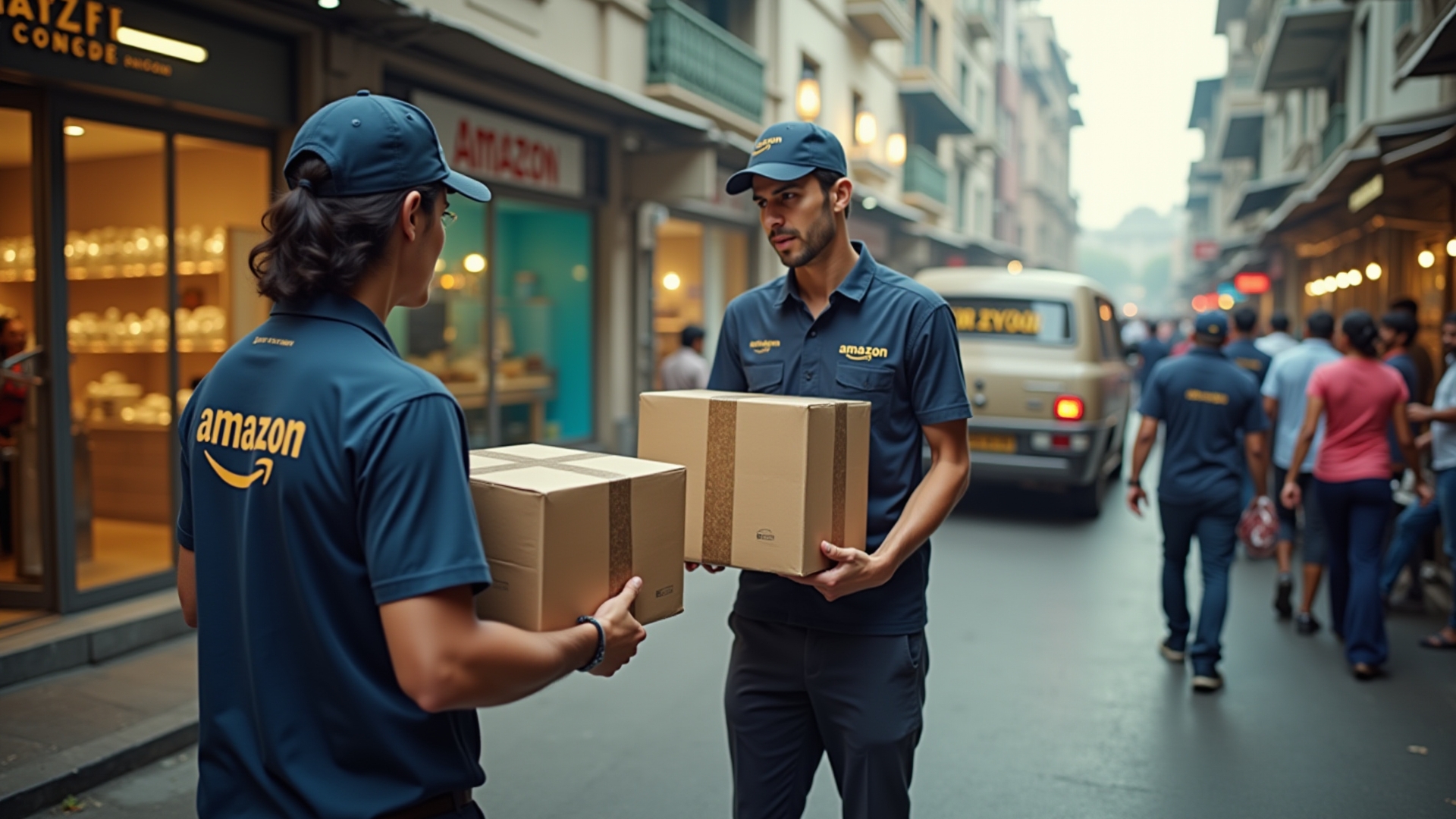
  • Why Logistics Startups Are Poised to Drive India’s E-Commerce Growth

    Why Logistics Startups Are Poised to Drive India’s E-Commerce Growth

    As you steer your e-commerce business through India’s rapidly evolving digital marketplace, understanding the next growth engine is crucial. Logistics startups are no longer just support functions; they are becoming strategic pillars that could redefine how you scale, deliver, and retain customers in this complex ecosystem. Ignoring this shift means missing out on a substantial competitive advantage that optimizes costs, expands market outreach, and enhances customer satisfaction.

    Why This Matters to You

    Your e-commerce or D2C brand depends on more than just compelling products and digital marketing to win in India’s fragmented market. The real differentiator is your ability to fulfill promises quickly and cost-efficiently. Logistics startups that specialize in last-mile delivery, smart warehousing, and supply chain digitization help you reduce delivery timelines while optimizing operational costs—a necessity as consumer expectations and competitive pressures escalate. As fulfillment becomes a key battleground, leveraging logistics innovation isn’t optional; it’s a strategic imperative driving your growth, profitability, and customer loyalty.

    What Is Happening in India’s Logistics Landscape?

    India’s diverse geographies and the surge of demand from tier-2 and tier-3 cities are reshaping how commerce happens. Logistics startups are innovating with technology-driven solutions that enable hyper-local deliveries and efficient inventory management. Startups are moving beyond mere transportation, embedding themselves into the broader supply chain with AI-powered route optimization, smart warehousing, and data-driven demand forecasting.

    This evolution is critical because traditional logistics models struggle with India’s vast and varied terrain. Startups addressing this challenge open pathways for e-commerce platforms and D2C brands to enter previously untapped markets, building the foundation for sustained market expansion and inclusivity.

    Key Business Impacts You Should Monitor

    • Enhancing Customer Experience: Timely and reliable deliveries shape customer retention, encouraging repeat purchases and improving lifetime value.
    • Improving Unit Economics: Optimal route planning and inventory placement reduce costs and reverse logistics expenses, directly impacting profitability.
    • Market Penetration: Logistics enable you to serve smaller cities and rural India, which remain largely underserved but hold significant growth potential.
    • Platform Reliability: For marketplace operators, integrating advanced logistics tech translates into smoother operations and stronger consumer trust.
    • Policy Synergies: Aligning with government initiatives on regional connectivity and infrastructure investment can accelerate your scalability and compliance.

    Strategic Insights for Your Growth Playbook

    Logistics startups have moved beyond the role of cost centers to become strategic growth partners. Embracing these partnerships allows you to create more agile and scalable distribution networks. This can underpin quick commerce models where delivery speed and precision are paramount. Consider logistics as a lever not just to cut costs but to elevate your value proposition in the eyes of your customers.

    Additionally, logistics innovations give you critical data insights on customer behavior, enabling tailored inventory stocking and personalized service. Such integration of logistics with AI-driven personalization tools can set you apart in a crowded marketplace focused increasingly on experience and convenience.

    “In e-commerce, growth matters — but retention is what turns traffic into a business.”

    Practical Takeaways for E-Commerce Leaders

    • Evaluate partnerships with startups that offer operational agility and tech-enabled solutions tailored to your fulfillment needs.
    • Integrate logistics strategy within your broader business goals to optimize margins and customer delivery times.
    • Monitor emerging logistics technologies like AI-driven forecasting and robotics-enhanced warehousing to stay ahead.
    • Invest in infrastructure and local distribution hubs to tap deeper into tier-2 and tier-3 city markets efficiently.
    • Stay aligned with policy changes and government incentives to leverage infrastructure growth at the regional level.

    Expert Perspective

    “The real edge is not only in selling faster, but in building a brand, a system, and a customer relationship that lasts.”

    “When logistics, customer trust, and unit economics align, digital commerce growth becomes far more durable.”

    Risks and Challenges to Anticipate

    Despite the promising outlook, logistics startups face challenges that could affect your operations if unanticipated. Issues like infrastructure gaps, regulatory complexities, and inconsistent service quality in remote areas remain. Overreliance on nascent logistics models without rigorous due diligence might result in operational disruptions or cost overruns. Moreover, scalability hurdles for startups could impact their ability to support your growth uniformly across regions.

    It’s important to balance innovation adoption with risk management by piloting new logistics solutions prudently and establishing contingency frameworks.

    What You Should Watch Next

    Keep an eye on emerging logistics technologies such as AI-driven supply chain systems, autonomous delivery mechanisms, and blockchain-enabled transparency tools. Additionally, watch how ONDC (Open Network for Digital Commerce) influences logistics openness and interoperability, potentially lowering barriers for startups and operators alike. Government policies enhancing rural infrastructure and last-mile connectivity will also be crucial for logistics-enabled expansion in untapped markets.

    Conclusion: Logistics as Your Cornerstone for Sustainable E-Commerce Growth

    You are at a critical juncture where integrating logistics startups into your business model is no longer just advantageous but essential. Their increasing role as strategic enablers of faster, cost-effective deliveries will define your ability to win consumer trust, improve unit economics, and expand into new markets. By making logistics innovation part of your core strategy, you position your brand to not only keep pace with India’s e-commerce growth but to lead it.

    Remember, success in digital commerce hinges on a seamless end-to-end experience where logistics is the backbone. Adapt your growth roadmap accordingly, and you will unlock new performance and profitability milestones.

  • How Amazon’s India Bet Signals a Strategic Shift in E-Commerce Growth Beyond Metros

    How Amazon’s India Bet Signals a Strategic Shift in E-Commerce Growth Beyond Metros

    You are witnessing a defining moment in India’s e-commerce trajectory—Amazon’s decisive pivot towards tier-2 and tier-3 cities marks a strategic recalibration with wide implications for your business. This is not just about geographic expansion; it’s about rethinking how you approach customer acquisition, logistics, and market penetration in a vastly diversified consumer landscape. If your growth strategy still centers on metro cities, this shift signals that you may be missing the next wave of sustainable digital retail expansion in India.

    Why This Matters to You

    The rapid growth of e-commerce beyond India’s metros challenges conventional urban-centric playbooks. For you, whether a founder, brand leader, or marketplace operator, this means adapting to new regional dynamics characterized by distinct consumer preferences, lower price thresholds, and infrastructural nuances. Harnessing this opportunity is essential for long-term growth, profitability, and market leadership as saturation climbs in traditional urban centers.

    What Is Happening: Amazon’s Expansive India Strategy

    Amazon’s investment surge in India’s non-metro centers exemplifies a broader industry evolution fueled by increased smartphone penetration, improved internet connectivity, and rising consumer aspiration in smaller cities and towns. Historically, metros dominated with better purchasing power and higher internet penetration, but their growth curve is flattening. Now, tier-2 and tier-3 cities—home to a swelling middle class—are the new hotspots.

    Amazon is responding with aggressive infrastructure investments, including building local distribution centers, forging quick-commerce partnerships, and customizing product assortments to regional tastes and budgets. This ensures faster delivery, competitive pricing, and localized marketing that resonates deeply with emerging audiences.

    Key Strategic Implications for You as a Market Player

    This market shift compels you to reconsider logistics, product assortment, and payment frameworks:

    • Logistics and Fulfillment: Smaller cities require hyperlocal models, robust last-mile connectivity, and reliable inventory engineering. Amazon’s push highlights how fulfillment speed and reliability drive customer retention and repeat purchases—a critical factor in new markets where trust and service quality are still building.
    • Product and Pricing Customization: Regional consumers’ unique preferences and price sensitivities demand localized assortments. Generic urban mixes won’t cut it. Personalization and segmentation are key to winning share.
    • Payments Infrastructure: Tailor checkout experiences with regional payment preferences like digital wallets, unified payments interface (UPI), and flexible EMI options. Reducing friction in payments can significantly enhance your conversion metrics in these emerging markets.

    “In e-commerce, growth matters — but retention is what turns traffic into a business.”

    Strategic Analysis: Navigating Complexity Beyond the Metros

    Operating beyond metros means you face a more fragmented, complex ecosystem. Logistics cost structures shift, demand patterns diversify, and consumer behavior varies significantly. For sustainable growth, focus on unit economics and contribution margins—expansion alone won’t ensure profitability.

    Amazon’s investment scale demonstrates the capital intensity required to build competitive advantage here. You need to innovate on fulfillment tech, leverage AI for hyperlocal personalization, and develop marketing that speaks authentically to regional consumers. Successful players will be those who systemically reduce cost-to-serve while elevating the brand experience.

    Practical Takeaways You Should Act On

    • Understand regional consumer nuances: Invest in market research focused on non-metro preferences and affordability thresholds.
    • Prioritize logistics capabilities: Build or partner to develop local warehouses and optimize last-mile delivery to reduce delays and costs.
    • Adapt payment options: Implement flexible and localized digital payment solutions that reduce checkout friction and enhance conversions.
    • Localize marketing: Craft campaigns that reflect regional languages, cultural nuances, and consumption occasions.
    • Monitor unit economics closely: Ensure your expansion is sustainable by analyzing profitability at the city and channel levels.

    “The real edge is not only in selling faster, but in building a brand, a system, and a customer relationship that lasts.”

    Risks and Challenges You Must Prepare For

    Despite the opportunities, you must brace for challenges including increased operational complexity, elevated logistics costs, and variable regulatory environments. Non-metro infrastructure is uneven, making fulfillment fragile. Price sensitivity in these markets requires you to balance aggressive marketing spend against tight margin control. Moreover, competitive intensity will rise as more players pivot to these emerging regions.

    What to Watch Next in E-Commerce Growth

    Keep a close eye on emerging digital commerce policies such as the Open Network for Digital Commerce (ONDC), which promises greater interoperability and inclusion, potentially reshaping the marketplace landscape beyond metros. Also, watch for technology advancements in AI-powered personalization and regional customer insights—tools that could provide you with sharp differentiation.

    “When logistics, customer trust, and unit economics align, digital commerce growth becomes far more durable.”

    Conclusion: Shaping Your Long-Term Strategy Around Amazon’s India Bet

    Amazon’s focused push into India’s tier-2 and tier-3 cities isn’t just a market expansion—it’s a signal for you to rethink foundational aspects of your e-commerce strategy. Success hinges on mastering logistics, optimizing localized assortments, enabling flexible payment and checkout experiences, and developing regionalized marketing approaches. By embracing these imperatives, you position your business to harness the full potential of India’s vast and rapidly decentralizing e-commerce market.

    Recognizing and acting on this strategic shift enables you to build sustainable growth, deeper customer relationships, and a competitive edge as India’s next e-commerce frontier unfolds.

  • Why Amazon’s Long-Term Bet Signals Sustained Growth Potential for India’s E-Commerce Market

    Why Amazon’s Long-Term Bet Signals Sustained Growth Potential for India’s E-Commerce Market

    As a leader or stakeholder in India’s digital commerce ecosystem, Amazon’s explicit long-term commitment to the Indian market should be a strategic signal that commands your attention. This isn’t just another geographic expansion; it’s an affirmation of India’s vast and maturing e-commerce potential—a landscape where your business strategy, customer acquisition models, and technology investments must align for sustained success.

    Why This Development Matters to You

    Amazon is not merely chasing short-term revenue here. The India Vice President’s comments underscore a conviction in the deepening internet penetration, rising smartphone adoption, and evolving consumer readiness beyond traditional urban hubs. For your e-commerce brand, marketplace, or logistics operation, this means the playing field is broadening rapidly from metros to tier-2 and tier-3 cities, presenting fresh opportunities and new challenges in scalability and local relevancy.

    The Current E-Commerce Landscape: What’s Happening?

    Far from market saturation, India’s e-commerce sector is still ramping up growth, with Amazon’s renewed focus signaling significant headroom. This growth potential is particularly pertinent as consumer behaviour is still evolving with digital commerce adoption. You are positioned at the cusp of innovation in product assortment, rapid delivery models, and frictionless payment experiences that must be tailored to regional preferences and expectations.

    Strategic Business and Market Impacts

    The implications ripple across various e-commerce verticals:

    • D2C Brands: There is a pressing need to enhance customer acquisition and retention by leveraging data-driven personalization and localized marketing campaigns.
    • Marketplaces: Intensified competition is inevitable as Amazon doubles down, challenging you to differentiate through technology, service, and integrated payment solutions.
    • Logistics and Fulfillment: Building resilient and scalable last-mile delivery infrastructure will be paramount to meet the rising expectations for speed and reliability.
    • Payments and Checkout: Innovating seamless and diverse payment options will directly influence conversion rates and repeat purchase behaviours.
    • Open Commerce and ONDC: With Amazon’s stance against the backdrop of emerging open network commerce models like ONDC, you will need to balance expansive reach with platform and brand defensibility.

    Deeper Strategic Insight: What This Means for You

    Amazon’s long-term perspective suggests that early, disciplined investment in technology, consumer engagement, and supply chain excellence will define winners. The pursuit of scale must be paired with unit economics and contribution margin improvement—areas currently under pressure in the Indian market. For you, it’s about deciding when and how to invest aggressively while maintaining a sustainable growth trajectory.

    “In e-commerce, growth matters — but retention is what turns traffic into a business.”

    “The real edge is not only in selling faster, but in building a brand, a system, and a customer relationship that lasts.”

    Practical Takeaways for E-Commerce Leaders

    • Develop logistics and fulfillment capacities that can flexibly scale to tier-2 and tier-3 city nuances.
    • Invest in AI-driven personalization to enhance product discovery and repeat purchase rates.
    • Expand payment and checkout innovation to include regional preferences, ensuring frictionless experiences for diverse consumer segments.
    • Prepare your business model for integration or competition with open commerce frameworks like ONDC.
    • Monitor and optimize unit economics vigilantly as you prioritize customer retention alongside acquisition.

    Risks and Challenges Ahead

    While the growth potential is significant, the challenges of operating in India’s complex digital commerce environment remain formidable. These include managing a fragmented consumer base, navigating competitive pressures from both global and homegrown giants, and balancing rapid scale with profitability. The scale of investment needed can temporarily impact margins, demanding strategic patience.

    What Should You Watch Next?

    Keep a sharp eye on evolving consumer behaviour in non-metro regions, as these markets will redefine your growth trajectory. Observe how Amazon and competitors innovate around quick commerce and last-mile delivery efficiencies. Also, watch government policy shifts, particularly related to ONDC and digital commerce regulations, which could reshape platform dynamics.

    Conclusion: Seizing India’s E-Commerce Growth Opportunity

    Your ability to interpret Amazon’s long-term bet on India as both a confirmation of market potential and a call to elevate your strategic execution will determine your competitive edge. By focusing on resilient logistics, technological innovation, personalized customer engagement, and open commerce preparedness, you position your business to capitalize on India’s expansive e-commerce growth landscape.

    “When logistics, customer trust, and unit economics align, digital commerce growth becomes far more durable.”

    Understanding and acting on these insights equips you to not only participate but lead in India’s next wave of e-commerce evolution.

  • Why Amazon’s Strategic Shift to India’s Non-Metro Markets Signals a New Phase in E-Commerce Growth

    Why Amazon’s Strategic Shift to India’s Non-Metro Markets Signals a New Phase in E-Commerce Growth

    As a leader navigating the complexities of India’s digital commerce landscape, you cannot afford to ignore a seismic shift reshaping the market. Amazon’s strategic expansion into India’s non-metro cities is not simply a geographic pivot; it is a signal of the evolving contours of e-commerce growth driven by new consumer bases, logistical challenges, and innovative business models. This development demands your attention because it directly impacts how you acquire customers, manage fulfillment, and position your brand or platform for sustained success.

    Why This Matters to You

    Amazon’s recalibrated focus on tier-2 and tier-3 cities reflects where the future growth in Indian e-commerce truly lies. If your business has concentrated on metropolitan hubs until now, it’s time to reassess. Non-metro markets represent a vast, underpenetrated opportunity, where digital literacy and spending power are rising rapidly. Ignoring this shift means missing out on a significant segment of customers who will define the next wave of online retail expansion.

    Moreover, as you optimize your costs and unit economics, new regional dynamics will influence customer acquisition costs, retention patterns, and last-mile delivery efficiencies. Understanding these emerging customer behaviors and infrastructure realities is crucial for you to outperform competitors and deepen customer loyalty.

    What Is Happening: Amazon’s Non-Metro Market Gambit

    Historically, India’s e-commerce engines have thrived in metropolitan areas due to more advanced internet penetration, stronger logistics networks, and higher consumer purchasing power. Amazon’s bet now is on the burgeoning middle-class population in smaller cities and towns, where digital adoption is accelerating and consumer demand is evolving.

    This strategic move involves refining marketplace offerings to suit regional preferences, investing heavily in local seller ecosystems, and innovating last-mile delivery models tailored to the constraints and opportunities of diverse geographies. It is a comprehensive approach that balances cost, speed, and customer experience to capture new growth ahead of competitors.

    Implications for E-Commerce Stakeholders

    This shift has implications across multiple facets of India’s digital commerce ecosystem:

    • For E-commerce Founders and Digital Retail Executives: You must rethink customer acquisition strategies by incorporating regional digital literacy, device preferences, and payment behaviors. This ensures your marketing and product strategies resonate authentically with these new consumers.
    • Quick Commerce and Logistics Leaders: Scalability is paramount. You need custom-built fulfillment and inventory management solutions that cope with uneven infrastructure and variable demand patterns prevalent outside metros.
    • Investors and Growth Strategists: Amazon’s pivot validates the expanding digital commerce landscape in India’s hinterlands. Winning here requires a granular focus on unit economics and sustainable profitability outside traditional urban strongholds.
    • Policymakers: It is essential to foster supportive infrastructure, digital payments ecosystems, and regulatory frameworks that facilitate inclusive digital commerce growth.

    Strategic Insight: Why Amazon’s Shift Is a Bellwether for E-Commerce Evolution

    Amazon’s non-metro expansion underscores a broader market truth: growth at the top is saturating, and the real volume lies in itemizing growth across diverse regions with distinct consumer nuances. This shift speaks to the need for you to invest deeply in hyperlocal strategies—leveraging localized assortments, seller partnerships, and differentiated customer engagement tactics.

    Additionally, optimizing last-mile delivery is no longer just a logistics challenge but a strategic enabler of customer retention and lifetime value. Efficiency in delivery in smaller cities with less predictable infrastructure can become your competitive moat.

    “In e-commerce, growth matters — but retention is what turns traffic into a business.”

    “The real edge is not only in selling faster, but in building a brand, a system, and a customer relationship that lasts.”

    Practical Takeaways for Your Business

    • Develop regional market intelligence focusing on emerging non-metro consumer preferences and digital behaviors.
    • Invest in scalable, flexible last-mile delivery and fulfillment networks adapted for smaller cities and towns.
    • Expand your product assortment by integrating hyperlocal and regionally relevant inventory options.
    • Leverage digital payments and seamless checkout flows tailored to new consumer cohorts to improve conversion and retention.
    • Build partnerships with local sellers and service providers to deepen market reach and relevance.
    • Monitor policy and infrastructure developments that could accelerate open commerce models, including ONDC.

    Risks and Challenges to Consider

    While the growth potential is undeniable, expanding into non-metro markets brings operational complexities. Inconsistent infrastructure, variable connectivity, and diverse socio-economic profiles mean your customer acquisition cost might initially rise. Logistics unpredictability can pressure margins unless offset by innovation.

    Additionally, understanding regional language, cultural nuances, and payment habits presents a learning curve. Failure to customize your approach risks alienating these valuable consumers and ceding ground to competitors with better local insight.

    What You Should Watch Next

    Keep a close eye on how Amazon and other marketplace players refine their hyperlocal fulfillment hubs and local seller integration. Innovations in AI-driven personalization tailored to regional tastes, and advances in digital payment inclusivity, will also be key indicators of how these markets mature.

    Furthermore, developments around ONDC and government infrastructure initiatives will materially influence how quickly and sustainably these markets scale.

    Conclusion: Embracing the E-Commerce Growth Beyond Metros

    Amazon’s strategic shift toward India’s non-metro markets is far more than a geographic expansion. For you, it’s a clear signal that the future of e-commerce growth requires embracing the diversity and complexity of India’s emerging cities and towns. This shift challenges you to rethink customer acquisition, logistics execution, product strategy, and partnership models.

    By proactively adapting to this landscape, you don’t just access new customer bases—you build competitive resilience and lay the groundwork for sustainable leadership in one of the most dynamic global e-commerce ecosystems.

    “When logistics, customer trust, and unit economics align, digital commerce growth becomes far more durable.”

    Stay informed, stay agile, and position your business to win the next phase of India’s e-commerce evolution.

  • Why Quick-Commerce Order Growth Signals Strategic Shifts, Not Geopolitical Impact, in India’s Digital Retail

    Why Quick-Commerce Order Growth Signals Strategic Shifts, Not Geopolitical Impact, in India’s Digital Retail

    You’re witnessing a striking surge in quick-commerce order volumes across India—a phenomenon doubling at a pace that might tempt you to attribute it to external shocks like geopolitical conflicts. Yet, the reality invites a deeper strategic interpretation. This surge is less a ripple from the Iran-US tension and more a reflection of a transformative structural evolution within India’s digital retail landscape. For you as a digital commerce leader or brand builder, recognizing and acting on these underlying forces will determine your ability to harness growth sustainably and competitively.

    Why Quick-Commerce Growth Matters to You

    Quick-commerce is no longer just a buzzword—it’s a core growth channel recalibrating consumer expectations, operational models, and market expansion strategies. The doubling of orders isn’t a fleeting response to global uncertainty; it’s an indicator of shifting consumer behaviors and intensified competition that demands your attention. Understanding this growth equips you to refine your customer acquisition approaches, optimize last-mile delivery, and align your financial and tech investments to secure profitability in a fast-evolving environment.

    What Is Driving This Expansion Beyond Geopolitical Narratives

    Industry insights highlight that the increase in quick-commerce activity stems largely from domestic market dynamics:

    • Urban Consumer Expectations: Increasing demand for immediate convenience and ultra-fast delivery shapes how customers pick platforms and brands.
    • Infrastructure Penetration: Expansion of quick-commerce hubs and micro-fulfillment centers in tier-2 and tier-3 cities is opening new growth corridors.
    • Last-Mile Logistics Innovation: Hyperlocal delivery models and tech-driven route optimizations are driving efficiencies and faster deliveries.

    These drivers collectively forge a resilient growth narrative rooted in operational excellence rather than external geopolitical volatility.

    Key Impacts on E-Commerce and Digital Retail Strategy

    • Customer Experience as the New Battleground: Your ability to deliver speed complemented by seamless checkout and payment options is pivotal to cultivating loyalty and repeat business.
    • Logistics as a Strategic Asset: Investing in micro-warehousing and hyperlocal delivery networks is critical to scaling efficiently while protecting margins.
    • Geographical Diversification: Quick-commerce is transcending metropolitan hubs, demanding adaptations in assortment and marketing to suit smaller city needs.
    • Balancing Unit Economics: Efficient order batching, precise demand forecasting, and route optimization must underpin growth to improve contribution margins.

    “In e-commerce, growth matters — but retention is what turns traffic into a business.”

    Strategic Insights: What This Means for Your Business

    This acceleration in quick-commerce underscores several critical trends you must align with to maintain a competitive edge:

    • Integration Across Ecosystems: The rise of embedded payments and frictionless checkout is blurring lines between retail and fintech, requiring you to optimize your payments stack for conversion and retention.
    • Data-Driven Personalization: Leveraging AI and analytics for demand management and hyper-targeted merchandising can significantly boost order frequency and basket size.
    • Operational Scalability with Sustainability: Investors and stakeholders now scrutinize both growth and profitability — establishing efficient fulfillment and delivery networks is non-negotiable.

    “The real edge is not only in selling faster, but in building a brand, a system, and a customer relationship that lasts.”

    Practical Takeaways for Your E-Commerce Leadership

    • Prioritize enhancing the speed and convenience of your delivery models without sacrificing cost efficiencies.
    • Expand your micro-warehousing footprint strategically in emerging urban markets to serve tier-2 and tier-3 cities effectively.
    • Leverage AI-led demand forecasting and route optimization tools to improve supply chain responsiveness and reduce wastage.
    • Optimize digital payments and checkout experiences to minimize friction and encourage repeat purchase behavior.
    • Monitor evolving regulatory frameworks closely as policymakers adapt to support rapid digital commerce growth.

    Risks and Challenges to Consider

    While the quick-commerce surge promises opportunities, managing rapid scale is fraught with challenges. Overexpansion risks diminished unit economics, while intense competition pressures margins and customer acquisition costs. You must also balance compliance with emergent regulatory standards to avoid operational setbacks. Lastly, reliance on hyperlocal delivery partners adds complexity to maintaining consistent service quality.

    What to Watch Next in India’s Quick-Commerce Scene

    Stay alert to evolving logistics innovations, particularly further adoption of AI in last-mile fulfillment and growth of micro-fulfillment centers. Watch how digital payment integrations innovate to lower checkout barriers. Also, track the impact of ONDC and open-network commerce initiatives, which could redefine marketplace dynamics and create new opportunities or threats.

    “When logistics, customer trust, and unit economics align, digital commerce growth becomes far more durable.”

    Conclusion: Positioning Yourself for Sustainable Growth in Quick-Commerce

    The rapid growth of quick-commerce orders in India should not be misconstrued as a byproduct of geopolitical events. Instead, it marks a nuanced strategic shift with deep implications for how you build, operate, and scale your digital commerce business. By focusing on customer-centric innovation, logistics excellence, and sustainable unit economics, you can transform this market momentum into durable competitive advantage and long-term profitability.

  • Why Flipkart’s CFO Exit Signals a Critical Moment for India’s E-Commerce IPO Landscape

    Why Flipkart’s CFO Exit Signals a Critical Moment for India’s E-Commerce IPO Landscape

    You are watching one of India’s largest e-commerce marketplaces, Flipkart, navigate a critical moment in its trajectory — the exit of CFO Sriram Venkataraman as it gears up for a highly anticipated IPO. This is more than an executive shuffle; it is a clear strategic signal with widespread implications for your e-commerce business, your brand’s marketplace strategy, and your approach to scalable growth amid market scrutiny.

    Why This Matters to You

    As someone invested in or operating within India’s dynamic e-commerce ecosystem, this development affects you directly. Flipkart’s CFO role is central to financial governance, investor confidence, and the meticulous calibration of unit economics that underpins sustainable growth. Leadership changes at such a juncture unsettle the status quo and remind you of the delicate balance between rapid expansion and profitability — a balance you must master if you want your own e-commerce initiatives or D2C brand to thrive.

    Moreover, considering the fierce competition from domestic rivals like Reliance Retail and global players such as Amazon, Flipkart’s financial leadership stability is a bellwether for market confidence. Your future fundraising, marketplace partnerships, or investor relations strategies can glean vital lessons from this move.

    What Is Happening: Behind Flipkart’s CFO Departure

    Sriram Venkataraman’s departure comes at a time when Flipkart is intensifying preparations for its IPO. The CFO’s responsibilities here extend beyond bookkeeping; they encompass steering complex financial controls, managing regulatory compliance, and shaping the narrative to investors about unit economics and long-term profitability.

    This departure suggests a phase of recalibration for Flipkart’s financial leadership, signaling possibly a strategic shift to align with the evolving demands of public markets. It prompts you to reflect on how executive changes, especially in financial leadership, can signal deeper strategic pivots around profitability, investor communication, and market positioning.

    Key Business and Market Impact for E-Commerce Leaders

    For marketplace operators and D2C brands like you, this event highlights the rising financial scrutiny industry leaders face. Marketplaces now demand sharper unit economics — balancing customer acquisition costs (CAC), retention, and contribution margins — as investor expectations heighten.

    Rigorous financial oversight also extends to newer e-commerce growth vectors such as quick commerce and digital payments. CFO leadership must navigate the complexities of rising fulfillment costs, faster delivery expectations, and integration of fintech capabilities to optimize cash conversion cycles.

    Investors view these leadership changes as barometers of a company’s IPO preparedness. A CFO’s ability to drive transparent reporting, manage compliance rigor, and ensure profitability is critical — aspects that you would do well to prioritize in your own strategic planning.

    Strategic Insight: What Flipkart’s CFO Exit Reveals About the IPO Process

    The CFO role is pivotal during the IPO journey, acting as the financial steward who must harmonize growth ambitions with unit economics discipline. Flipkart’s CFO exit illuminates the tension between maintaining investor confidence and meeting operational realities in a hyper-competitive market.

    It also spotlights the emerging maturity of India’s digital retail sector, which is no longer chasing pure GMV growth but focusing on sustainable, profitable expansion. For you, this means embracing data-driven pricing strategies, optimizing fulfillment networks for cost control, and enhancing shopper lifetime value through personalization and retention, all while ensuring governance and compliance frameworks keep pace with scaling business demands.

    “In e-commerce, growth matters — but retention is what turns traffic into a business.”

    “The real edge is not only in selling faster, but in building a brand, a system, and a customer relationship that lasts.”

    Practical Takeaways for E-Commerce Founders and Executives

    • Understand the weight of CFO leadership: Your financial chief is not just managing numbers but shaping growth strategy and investor trust.
    • Monitor unit economics closely: Scrutinize CAC, repeat purchase rates, and margins as your market matures and investor expectations rise.
    • Prepare for leadership continuity risks: Anticipate how executive changes can cause ripples in investor sentiment and operational rhythm.
    • Invest in financial transparency: Build systems that deliver clear, auditable reporting — essential for IPO readiness and long-term capital market engagement.
    • Integrate quick commerce and fintech: Address operational cost volatility through smarter fulfillment and payment innovations.

    Expert Perspective

    Leadership transitions like Flipkart’s CFO exit become strategic inflection points that reveal much about how an e-commerce firm approaches governance and growth. For stakeholders across e-commerce—from founders to investors—such changes underscore that financial leadership is a cornerstone for sustainable digital commerce success.

    Risks and Challenges You Should Consider

    While leadership changes can rejuvenate strategy, they may also introduce uncertainty. You must evaluate how your own organization prepared for leadership handovers and whether you have robust succession plans that maintain operational and financial stability.

    Moreover, IPO readiness demands compliance with stringent regulatory benchmarks; any delays or misalignments risk undermining investor confidence — a cautionary signal from Flipkart’s transitional moment.

    What You Should Watch Next

    Watch closely how Flipkart selects its next CFO and how the company communicates this change to investors and market analysts. Their approach will offer a clearer lens on Flipkart’s strategy to balance growth with profitability under public market scrutiny.

    Also, observe how this affects marketplace competition, quick commerce investments, and evolving customer acquisition strategies. Each move has lessons for your competitive positioning and strategic growth roadmap.

    Conclusion

    Flipkart’s CFO exit is a pivotal event signaling more than an internal leadership change—it reflects critical inflections in India’s e-commerce IPO landscape. For you as an e-commerce leader, founder, or investor, it highlights the rising stakes of financial governance as you scale and prepare for long-term capital market engagement.

    Embracing financial leadership that prioritizes transparency, compliance, and unit economics discipline is essential for sustaining investor trust and fueling profitable expansion in India’s rapidly evolving digital commerce ecosystem.

    “When logistics, customer trust, and unit economics align, digital commerce growth becomes far more durable.”

  • Why Bata India’s Digital Revenue Target Signals a New Growth Paradigm for E-Commerce

    Why Bata India’s Digital Revenue Target Signals a New Growth Paradigm for E-Commerce

    As a leader or decision-maker in the e-commerce ecosystem, you must recognize the growing significance of digital revenue strategies for traditional brands. Bata India’s bold goal of securing 25% of its revenue from digital channels signals more than just a sales shift—it marks a transformative moment in how legacy retail brands adapt to the digital commerce revolution. This development is critical for your business’s growth playbook, influencing customer acquisition, supply chain optimization, and marketplace strategy amid India’s evolving digital retail landscape.

    Why This Matters to You

    If you steer an e-commerce venture, manage a D2C brand, or oversee digital marketplace operations, Bata’s digital revenue ambition offers strategic insights into capturing untapped markets and rethinking traditional retail models. The emphasis on progressing digital revenue share is a clear signal that integrating quick commerce and omnichannel approaches can yield competitive advantage and profitability. It’s your cue to evaluate how your brand or platform can optimize digital touchpoints, accelerate customer retention, and sharpen operational efficiency in a fiercely competitive market.

    What Is Happening: Bata’s Strategic E-Commerce and Quick Commerce Expansion

    Bata India is intensifying investments in digital infrastructure, not treating online sales as peripheral but as a core revenue driver. By targeting a quarter of its overall revenue from digital channels, Bata acknowledges the critical role that e-commerce and quick commerce play in future-proofing brand relevance. Its approach integrates brand-owned websites, marketplaces, and emergent quick commerce platforms, ensuring widespread market penetration, especially in tier-2 and tier-3 cities where online shopping continues its rapid ascent.

    Diversified Marketplace Strategy for Broad Reach

    Bata’s strategy to leverage multiple online channels mitigates dependency risks and enhances customer acquisition velocity. This multifaceted digital approach is a textbook example of how marketplace operators and D2C brands alike can extend their omnichannel footprint while balancing unit economics.

    Quick Commerce: A Strategic Lever to Enhance Customer Loyalty and Unit Economics

    Incorporating quick commerce capabilities aligns with evolving consumer expectations for ultra-fast delivery. For Bata, this translates into more frequent purchases and improved last-mile cost efficiencies. This focus on speed and convenience reinforces the brand’s ability to foster higher customer lifetime value and repeat purchase intent.

    “In e-commerce, growth matters — but retention is what turns traffic into a business.”

    Key Business and E-Commerce Implications

    The 25% digital revenue target sends a strong message on multiple operational fronts:

    • Supply Chain Agility: Enhancing fulfillment networks and optimizing inventory to support both quick commerce and traditional e-commerce channels.
    • Customer Engagement: Employing data-driven personalization to improve discovery and boost conversion rates across digital platforms.
    • Payment and Checkout Innovation: Streamlining frictionless, secure transactions to reduce cart abandonment and improve customer satisfaction.
    • Market Penetration: Expanding reach into emerging cities where digital commerce penetration is accelerating, tapping new demographics and consumption patterns.

    Strategic Analysis: What You Should Take Away

    Bata’s move compels you to reassess your own growth framework with an eye toward sustainable digital maturity. The integrated approach to digital and quick commerce not only bolsters topline growth but also fortifies resilience against market fluctuations. This balanced focus on scale, speed, and profitability reveals how you can optimize your unit economics by aligning supply chain, customer experience, and marketplace partnerships.

    Furthermore, leveraging quick commerce to enhance customer retention offers a blueprint for improving purchase frequency while controlling last-mile delivery costs—often the most challenging aspect of e-commerce logistics.

    “The real edge is not only in selling faster, but in building a brand, a system, and a customer relationship that lasts.”

    Practical Takeaways for Your Business

    • Prioritize Omnichannel Infrastructure: Invest in systems that integrate your online and offline presence seamlessly to meet diverse consumer expectations.
    • Leverage Data for Personalization: Use consumer insights to tailor product recommendations and streamline the path to purchase.
    • Enhance Fulfillment Efficiency: Build agile supply chains that support quick commerce demands without compromising cost-effectiveness.
    • Diversify Digital Channel Strategy: Balance brand-owned platforms with third-party marketplaces to broaden reach and manage risk.
    • Optimize Payment Gateways: Ensure a smooth checkout experience that minimizes drop-offs and maximizes conversions.

    Risks and Challenges to Monitor

    While Bata’s digital transition is compelling, it confronts inherent challenges that you must carefully manage if pursuing similar growth:

    • High Capital Expenditure: Upgrading digital infrastructure and last-mile logistics can strain budgets, requiring a clear ROI roadmap.
    • Complex Supply Chain Coordination: Balancing inventory and fulfillment across quick commerce and traditional channels demands sophisticated technology and operational precision.
    • Market Fragmentation: Diverse consumer preferences across regions can complicate uniform digital strategies.
    • Competitive Intensity: Quick commerce expansion attracts multiple players, increasing pressure on unit economics and customer retention tactics.

    What You Should Watch Next

    Keep an eye on Bata’s execution of quick commerce partnerships and technology integrations. Their effectiveness in onboarding tier-2 and tier-3 consumers will be a bellwether for broader digital commerce trends in traditional retail sectors. Additionally, monitor how Bata leverages AI and data analytics to personalize experiences, optimize inventory, and enhance checkout workflows—key indicators of evolving digital maturity.

    “When logistics, customer trust, and unit economics align, digital commerce growth becomes far more durable.”

    Conclusion: Embracing a New Digital Growth Paradigm

    Bata India’s targeted push for 25% digital revenue is more than a milestone—it’s a strategic blueprint redefining how traditional retail brands can harness e-commerce’s transformative power. For you, this signals the increasing necessity to embed digital-first strategies deeply within your business—from marketing and fulfillment to customer engagement and payments.

    As the Indian e-commerce market grows ever more competitive and dynamic, your ability to align with quick commerce demands and leverage multi-channel digital ecosystems can well determine your brand’s resilience and growth trajectory. Bata’s digital revenue growth journey offers a tested lens through which to view, plan, and execute the future of digital commerce in your enterprise.

  • Why Ending the E-commerce Duty Moratorium Marks a Turning Point for India’s Digital Retail Economy

    Why Ending the E-commerce Duty Moratorium Marks a Turning Point for India’s Digital Retail Economy

    The Indian government’s move to end the e-commerce duty moratorium is more than a regulatory update — it is a strategic pivot that redefines how you must think about your digital retail business in India. This decision signals a new era where import duties will no longer be deferred for online marketplaces and D2C brands, reshaping your cost structures, supply chain strategies, and competitive positioning. If you are a founder, operator, or stakeholder in India’s burgeoning e-commerce and digital retail sector, understanding this shift and recalibrating your approach is essential to sustaining growth and profitability.

    Why This Matters to You

    For years, the duty moratorium acted as a vital lever that allowed you to scale your online marketplace or D2C brand with relative ease by reducing the cost burden of cross-border imports. Its cessation will directly influence your pricing strategies and margin dynamics. However, the impact transcends pricing alone—it challenges your sourcing decisions, unit economics, fulfillment logistics, and ultimately, your customer engagement model. Your ability to anticipate these changes and adapt will determine whether you capitalize on emerging opportunities or get caught under rising costs.

    What Is Happening: The End of the E-commerce Duty Moratorium

    The moratorium on import duties for e-commerce entities in India, which temporarily paused customs duties on goods imported for online sale, is now concluded. This means import taxes previously waived or reduced will be reinstated, increasing the landed cost of many cross-border products. Consequently, brands and marketplaces face elevated expenses, which could cascade to consumer prices.

    This policy evolution is driven by the Government of India’s strategic focus on economic sustainability through fostering stronger domestic manufacturing and local supply chains. While this aligns with broader national interests, it demands a significant recalibration from players dependent on imported goods for competitive advantage.

    Key Business and Market Impact

    The repercussions touch multiple facets of your e-commerce ecosystem:

    • Marketplace Assortment and Pricing: You will need to rethink your product sourcing mix. Imported inventory becomes costlier, pushing you to prioritize domestically produced or manufactured goods to sustain price competitiveness.
    • D2C Brand Sourcing and Margins: If your brand relies on imported components or finished products, you must revisit your sourcing strategies to avoid margin erosion and retain your value proposition.
    • Customer Purchase Behavior: Price sensitivity remains high in India’s diverse market. You may observe shifts in consumer demand, particularly in smaller cities where affordability governs buying decisions.
    • Fulfillment and Quick Commerce: Localization of supply chains offers an opportunity to enhance fulfillment speeds and reliability — crucial in beating last-mile delivery challenges and competing in quick commerce.
    • Unit Economics and Profitability: Aligning your cost and pricing strategy with structural changes in supply chains could unlock better unit economics. Profitability, already a prime investor focus, becomes potentially more achievable with domestic sourcing efficiencies.

    Strategic Insights to Navigate the Shift

    This policy change invites you to rethink fundamental aspects of your business model and embrace a multi-pronged strategy:

    • Redefine Sourcing Strategies: Intensify partnerships with local manufacturers and D2C brands. Prioritize products with indigenous supply chain advantages to manage costs effectively.
    • Innovate on Customer Value: Counteract potential price rises by enhancing value through loyalty programs, expedited deliveries, superior customer service, and seamless digital shopping experiences.
    • Strengthen Supply Chain Resilience: Invest in robust logistics and fulfillment capabilities to reduce dependency on imports and create agility in response to supply disruptions.
    • Explore Tier-2/3 Market Dynamics: Focus expansion efforts beyond metro cities where cost sensitivity persists. Tailor offerings and pricing to local preferences.
    • Collaborate Across Ecosystems: Work closely with policymakers, logistics providers, and technology partners to align initiatives that support sustainable e-commerce growth.

    “In e-commerce, growth matters — but retention is what turns traffic into a business.”

    “The real edge is not only in selling faster, but in building a brand, a system, and a customer relationship that lasts.”

    Practical Takeaways for Your E-commerce Strategy

    • Understand the long-term impact of reinstated import duties on your cost base and pricing strategies.
    • Monitor shifts in consumer behavior across different market segments to fine-tune your assortment and pricing.
    • Accelerate localization of supply chains to leverage cost and fulfillment advantages.
    • Invest in enhancing customer experience elements that can offset price increases and drive loyalty.
    • Continuously evaluate unit economics and operational efficiency to attract and reassure investors.
    • Engage proactively with industry and policy stakeholders to influence ecosystem development and infrastructure improvement.

    Risks and Challenges Ahead

    Transitioning from import-dependent models to localized supply chains poses complex operational challenges and upfront investments. You may face pressures on margins, inventory management, and pricing competitiveness during this realignment. Furthermore, reliance on domestic manufacturing capacity and logistics infrastructure needs cautious assessment to avoid fulfillment bottlenecks or stockouts.

    There is also a strategic risk if competitors adapt faster, gaining disproportionate market share by optimizing their supply chains earlier.

    What You Should Watch Next

    Keep a close eye on government policies related to manufacturing incentives, logistics infrastructure development, and digital payments innovations, as these will shape the viability of your domestic sourcing and fulfillment strategies. Also, monitor evolving consumer preferences, especially post-policy change pricing sensitivity and demand elasticity.

    Emerging technologies in AI-driven personalization and supply chain analytics could be crucial tools for navigating these changes effectively.

    Conclusion: A Strategic Inflection Point for India’s Digital Retail Economy

    The end of the e-commerce duty moratorium in India represents a critical turning point for your business and the entire digital commerce ecosystem. This policy is a deliberate nudge towards economic sustainability, driving you to innovate, localize, and optimize at every stage of your value chain.

    Embracing this challenge means reimagining your sourcing, fulfillment, pricing, and customer engagement to build a resilient, competitive, and profitable digital retail business. While the path involves operational shifts and strategic realignment, the rewards include stronger unit economics, deeper customer loyalty, and a secure position in India’s expanding digital commerce market.

    Adapting well to this policy change will secure your place within a robust homegrown ecosystem capable of leading the next phase of India’s e-commerce growth story.

    “When logistics, customer trust, and unit economics align, digital commerce growth becomes far more durable.”