Why This Matters to You
India overtaking China as the largest exporter of cotton products to the US is not just a statistic — it is a signal that demands your attention as a leader in agribusiness, investment, or policy. If you are involved in the cotton value chain, whether in production, supply chain management, or market strategy, this shift alters your competitive landscape and opens fresh opportunities to rethink sourcing, pricing, and sustainability commitments. Understanding why India’s rise happened and how it reshapes global cotton trade is essential to positioning your business advantageously for the near and medium term.
What Is Happening
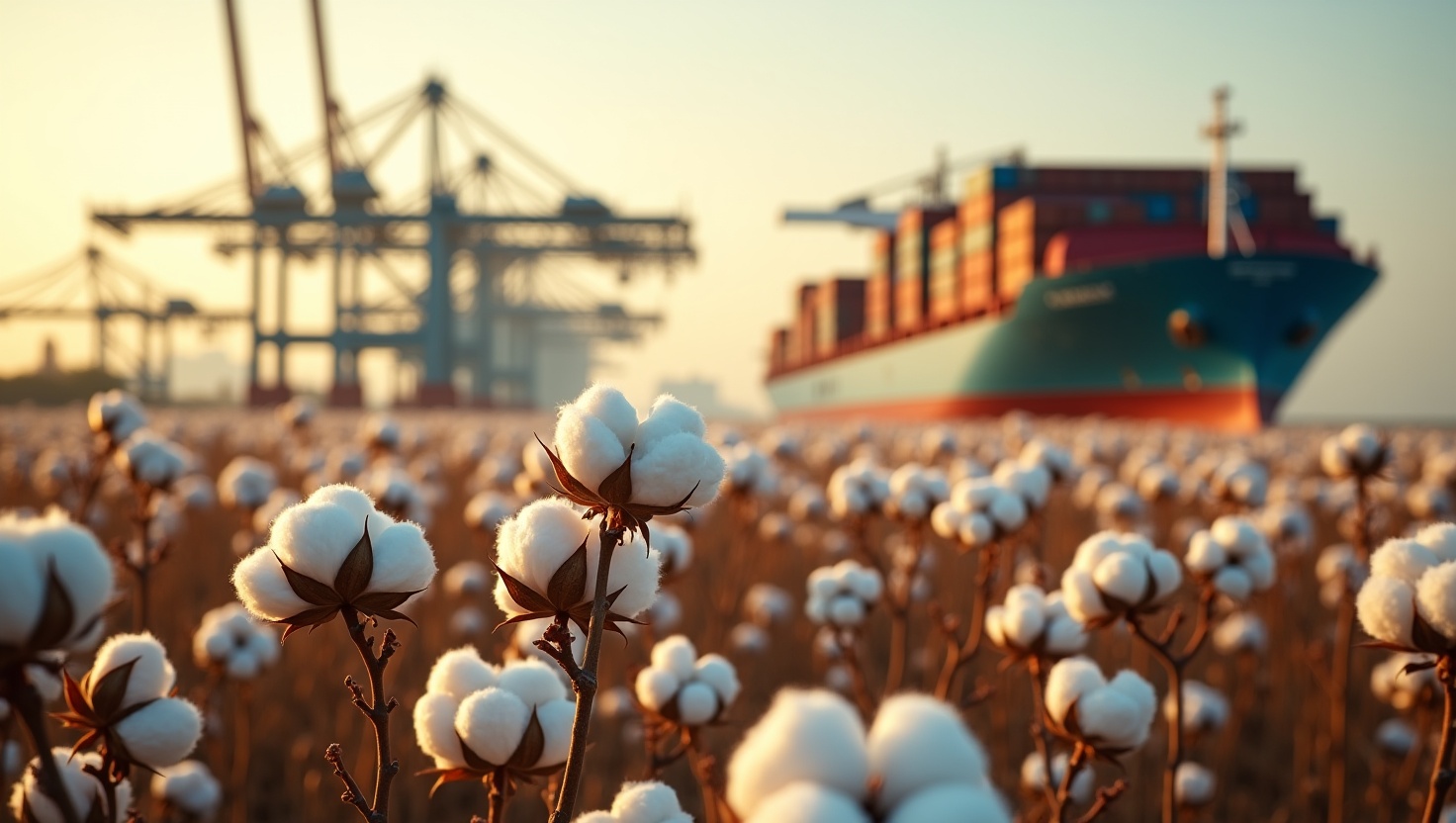
In 2025, Indian cotton exports to the US outpaced those of China, marking a pivotal change in global cotton trade dynamics. This transition reflects India’s growing competitive edge driven by strategic investments in production efficiency, agritech adoption, and enhanced export logistics supported by government policy. The change underscores a broader realignment in the international cotton market, highlighting shifts in trade routes and partnerships. India’s rise also signals the potential for reshaping the cotton supply chain with implications for sustainability and cost competitiveness.
Key Business and Market Impacts
For agribusiness leaders like you, this development could influence several critical decisions:
– Sourcing Strategy: With India as the dominant supplier, negotiating contracts and managing supply chain risks will require adapting to Indian market conditions and regulations.
– Pricing and Competitiveness: Increased Indian exports may affect global cotton prices and require recalibrating your cost models and competitive positioning.
– Sustainability Demands: India’s cotton sector is increasingly adopting sustainable practices, which could impact your environmental reporting and consumer expectations.
– Policy Environment: Indian government policies supporting cotton export growth may introduce new compliance dynamics for international buyers.
Strategic Analysis and Insight
India’s ascendancy is no accident. It is the outcome of deliberate agritech investments, focused efforts on improving farm productivity, and a robust export logistics framework. You should consider how technological innovations—from precision farming to supply chain digitization—drive India’s competitiveness. Furthermore, India’s policy approach to cotton export incentives and trade agreements highlights how aligning national strategy with global market demand can shift global trade leadership.
This transformation invites a deeper look at supply chain resilience and diversification. The reliance on a single dominant supplier poses risks, but the emergence of India as a reliable and increasingly sophisticated exporter provides a compelling alternative to China. As a decision-maker, evaluating the impact of geopolitical factors, tariff dynamics, and sustainability standards on your cotton sourcing strategy becomes imperative.
Practical Takeaways for Agribusiness Leaders
– Monitor India’s policy shifts and export regulations closely, as these will directly influence your cotton procurement.
– Assess your supply chain’s flexibility to integrate Indian cotton products efficiently and mitigate transition risks.
– Explore agritech partnerships or investments that align with India’s technology-driven cotton production model.
– Anticipate changes in cotton pricing trends and incorporate India’s cost structure into your financial forecasts.
– Prioritize transparency and sustainability in your cotton sourcing to meet evolving market and regulatory demands.
Expert Perspective
“In agriculture, timing is rarely just operational — it is strategic.”
“The real opportunity is not in reacting late, but in understanding where the market is moving next.”
“When policy, technology, and farm economics align, growth becomes more scalable.”
Risks and Challenges
While India’s growth offers opportunities, you must be aware of inherent risks:
– Infrastructure Bottlenecks: Though improving, Indian export logistics still face challenges that could impact delivery timelines.
– Quality Consistency: Maintaining consistent cotton quality across diverse producers requires continual monitoring.
– Geopolitical Tensions: Trade relations and tariffs can fluctuate, introducing unpredictability in sourcing costs.
– Environmental Concerns: India’s cotton sector faces pressures to enhance sustainable water use and reduce pesticide dependency, which could raise operational costs.
What You Should Watch Next
Keep an eye on these factors as you navigate this evolving trade landscape:
– Updates to India-US trade agreements affecting cotton tariffs and quotas.
– Advances in Indian agritech innovations that could further enhance production efficiency.
– Sustainability certifications and compliance updates impacting cotton imports.
– Emerging market demands in the US for ethically sourced cotton products.
Conclusion
India’s rise as the leading exporter of cotton products to the US signals a strategic shift you cannot afford to overlook. Your ability to adapt sourcing strategies, embrace technological innovations, and navigate policy realities will determine how effectively you leverage this cotton trade shift. Staying informed and agile will position your business to harness the growth potential embedded in India’s cotton export leadership — turning what may seem like a market change into your next business advantage.
Leveraging insights on India cotton exports within the US cotton market allows you to stay ahead amid global cotton market dynamics, ensuring robust agribusiness strategy and sustainable growth.