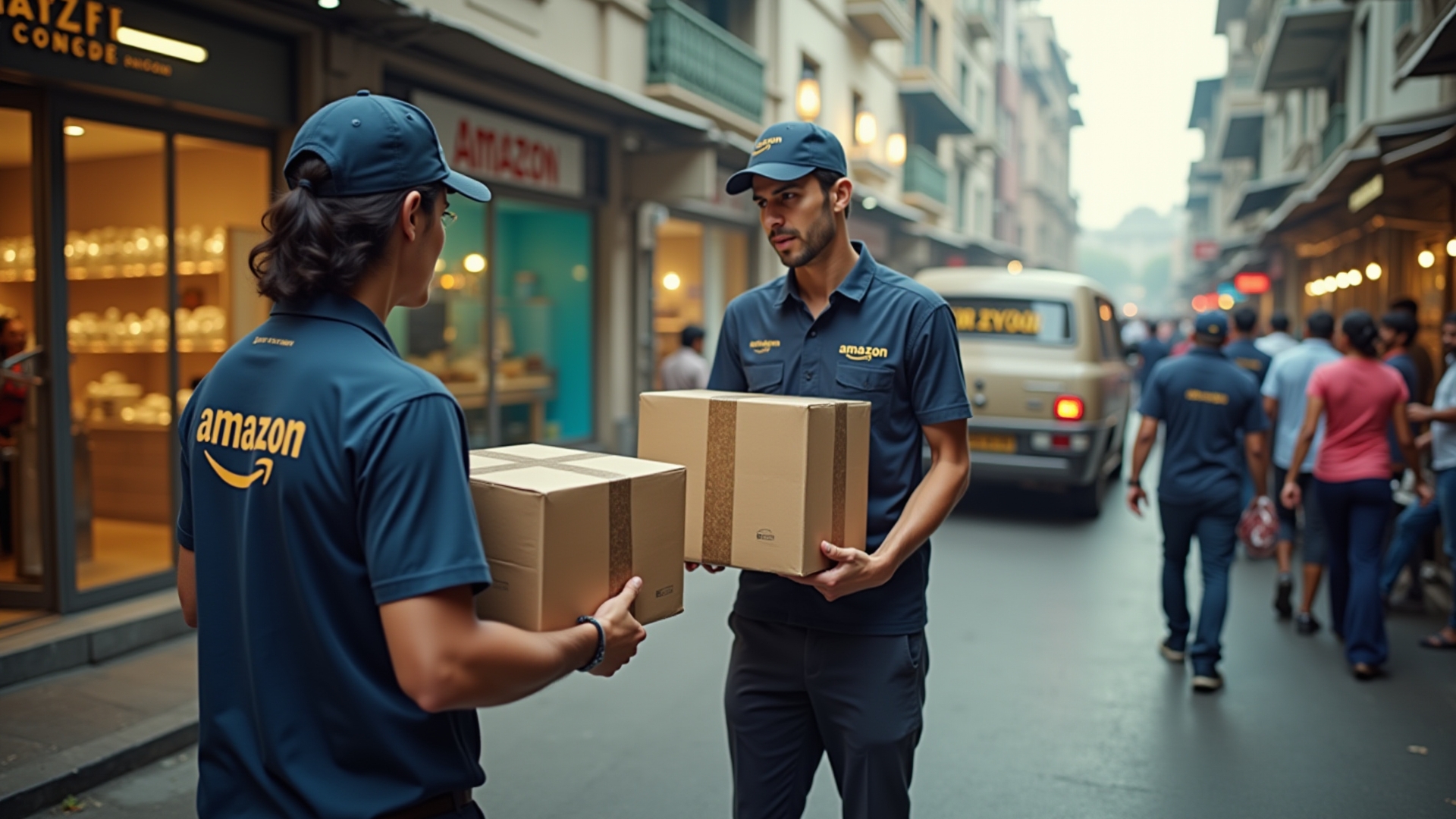
You are witnessing a defining moment in India’s e-commerce trajectory—Amazon’s decisive pivot towards tier-2 and tier-3 cities marks a strategic recalibration with wide implications for your business. This is not just about geographic expansion; it’s about rethinking how you approach customer acquisition, logistics, and market penetration in a vastly diversified consumer landscape. If your growth strategy still centers on metro cities, this shift signals that you may be missing the next wave of sustainable digital retail expansion in India.
Why This Matters to You
The rapid growth of e-commerce beyond India’s metros challenges conventional urban-centric playbooks. For you, whether a founder, brand leader, or marketplace operator, this means adapting to new regional dynamics characterized by distinct consumer preferences, lower price thresholds, and infrastructural nuances. Harnessing this opportunity is essential for long-term growth, profitability, and market leadership as saturation climbs in traditional urban centers.
What Is Happening: Amazon’s Expansive India Strategy
Amazon’s investment surge in India’s non-metro centers exemplifies a broader industry evolution fueled by increased smartphone penetration, improved internet connectivity, and rising consumer aspiration in smaller cities and towns. Historically, metros dominated with better purchasing power and higher internet penetration, but their growth curve is flattening. Now, tier-2 and tier-3 cities—home to a swelling middle class—are the new hotspots.
Amazon is responding with aggressive infrastructure investments, including building local distribution centers, forging quick-commerce partnerships, and customizing product assortments to regional tastes and budgets. This ensures faster delivery, competitive pricing, and localized marketing that resonates deeply with emerging audiences.
Key Strategic Implications for You as a Market Player
This market shift compels you to reconsider logistics, product assortment, and payment frameworks:
- Logistics and Fulfillment: Smaller cities require hyperlocal models, robust last-mile connectivity, and reliable inventory engineering. Amazon’s push highlights how fulfillment speed and reliability drive customer retention and repeat purchases—a critical factor in new markets where trust and service quality are still building.
- Product and Pricing Customization: Regional consumers’ unique preferences and price sensitivities demand localized assortments. Generic urban mixes won’t cut it. Personalization and segmentation are key to winning share.
- Payments Infrastructure: Tailor checkout experiences with regional payment preferences like digital wallets, unified payments interface (UPI), and flexible EMI options. Reducing friction in payments can significantly enhance your conversion metrics in these emerging markets.
“In e-commerce, growth matters — but retention is what turns traffic into a business.”
Strategic Analysis: Navigating Complexity Beyond the Metros
Operating beyond metros means you face a more fragmented, complex ecosystem. Logistics cost structures shift, demand patterns diversify, and consumer behavior varies significantly. For sustainable growth, focus on unit economics and contribution margins—expansion alone won’t ensure profitability.
Amazon’s investment scale demonstrates the capital intensity required to build competitive advantage here. You need to innovate on fulfillment tech, leverage AI for hyperlocal personalization, and develop marketing that speaks authentically to regional consumers. Successful players will be those who systemically reduce cost-to-serve while elevating the brand experience.
Practical Takeaways You Should Act On
- Understand regional consumer nuances: Invest in market research focused on non-metro preferences and affordability thresholds.
- Prioritize logistics capabilities: Build or partner to develop local warehouses and optimize last-mile delivery to reduce delays and costs.
- Adapt payment options: Implement flexible and localized digital payment solutions that reduce checkout friction and enhance conversions.
- Localize marketing: Craft campaigns that reflect regional languages, cultural nuances, and consumption occasions.
- Monitor unit economics closely: Ensure your expansion is sustainable by analyzing profitability at the city and channel levels.
“The real edge is not only in selling faster, but in building a brand, a system, and a customer relationship that lasts.”
Risks and Challenges You Must Prepare For
Despite the opportunities, you must brace for challenges including increased operational complexity, elevated logistics costs, and variable regulatory environments. Non-metro infrastructure is uneven, making fulfillment fragile. Price sensitivity in these markets requires you to balance aggressive marketing spend against tight margin control. Moreover, competitive intensity will rise as more players pivot to these emerging regions.
What to Watch Next in E-Commerce Growth
Keep a close eye on emerging digital commerce policies such as the Open Network for Digital Commerce (ONDC), which promises greater interoperability and inclusion, potentially reshaping the marketplace landscape beyond metros. Also, watch for technology advancements in AI-powered personalization and regional customer insights—tools that could provide you with sharp differentiation.
“When logistics, customer trust, and unit economics align, digital commerce growth becomes far more durable.”
Conclusion: Shaping Your Long-Term Strategy Around Amazon’s India Bet
Amazon’s focused push into India’s tier-2 and tier-3 cities isn’t just a market expansion—it’s a signal for you to rethink foundational aspects of your e-commerce strategy. Success hinges on mastering logistics, optimizing localized assortments, enabling flexible payment and checkout experiences, and developing regionalized marketing approaches. By embracing these imperatives, you position your business to harness the full potential of India’s vast and rapidly decentralizing e-commerce market.
Recognizing and acting on this strategic shift enables you to build sustainable growth, deeper customer relationships, and a competitive edge as India’s next e-commerce frontier unfolds.