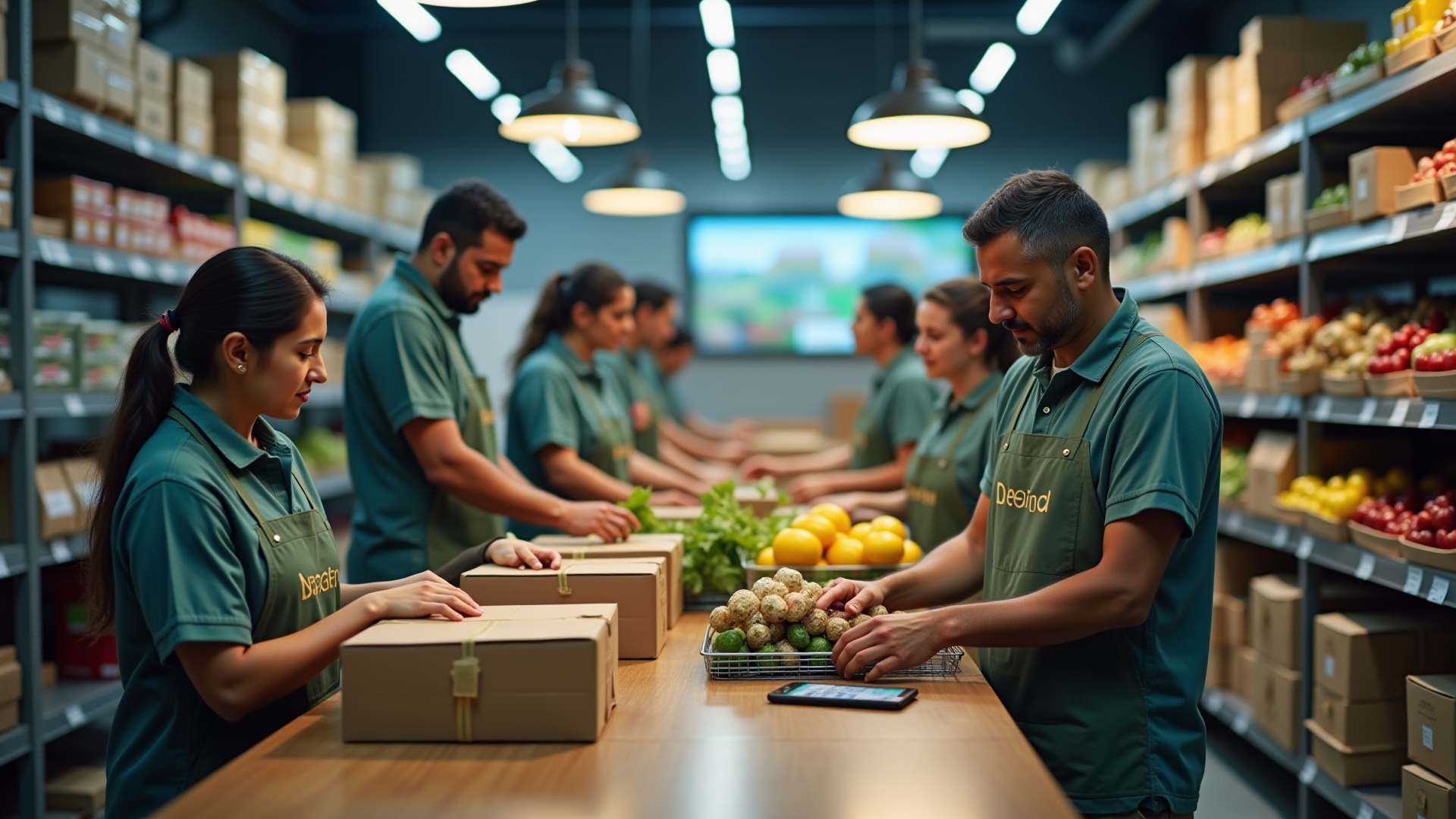
You’re witnessing a defining inflection point in India’s grocery e-commerce and quick commerce landscape—Amazon India’s likely withdrawal of its Fresh grocery service from key metropolitan markets. This isn’t just another corporate adjustment; it’s a strategic recalibration that could reshape how you think about fulfillment speed, customer acquisition, and profitability in your own digital commerce efforts.
Why This Shift Matters to Your Business
If you lead an e-commerce platform, manage a D2C brand, or oversee quick commerce logistics, Amazon India’s reassessment of Fresh is a crucial signal. It highlights the growing premium on hyper-local, ultra-fast delivery models tailored for today’s demanding time-sensitive consumers. You need to rethink how your assortment, fulfillment network, and customer touchpoints align with these dynamics — because the economics of grocery delivery no longer favor broad, slower models at scale.
Understanding What’s Happening with Amazon Fresh
Amazon Fresh has been Amazon India’s flagship grocery and perishables delivery service, designed to deepen customer engagement through category expansion and frequent purchase occasions. However, UBS reports indicate Amazon is reconsidering its Fresh presence in major metros, suggesting a strategic pivot towards quick commerce models with a sharper focus on speed and hyper-local inventory. This signals a shift from traditional fulfillment centers toward nimble last-mile operations more akin to quick commerce players like Swiggy Instamart and Zepto.
Key Business and Market Implications for You
- Evolving Unit Economics: The contribution margin in grocery delivery is increasingly linked to how swiftly you can serve customers and how precisely you manage your inventory. Larger fulfillment networks like Fresh struggle to compete with hyper-localized inventory close to the consumer, impacting both cost and delivery efficiency.
- Competitive Dynamics: Quick commerce startups have raised the bar — their ultra-fast delivery and localized assortment challenge established platforms to innovate beyond conventional models that prioritize breadth over speed.
- Logistics and Supply Chain Realignment: This move signals a need to optimize your last-mile delivery architecture, potentially scaling down oversized fulfillment hubs in favor of micro-fulfillment centers that serve concentrated catchment areas.
- Customer-Centric Fulfillment: Today’s consumer prizes immediacy. Aligning your delivery promise accordingly will be a critical differentiator in retention and repeat purchase.
Strategic Insight: What Amazon India’s Move Reveals
This development underscores a deeper trend — digital commerce is evolving from a volume-driven growth story into one about agile, economically sustainable fulfillment solutions. You must build or integrate systems that balance rapid delivery with inventory precision and cost control, or risk losing out to more nimble competitors focused squarely on quick commerce efficiency.
“In e-commerce, growth matters — but retention is what turns traffic into a business.”
Amazon’s strategic pullback from Fresh in metros suggests that large-scale fulfillment centers with broader assortments are less competitive in an environment where delivery speed and unit economics reign supreme. For you, it means prioritizing technology investments that harness AI for demand forecasting and hyper-local inventory management—tactics essential for keeping your logistics both lean and responsive.
Practical Takeaways for E-Commerce Leaders
- Reassess Your Fulfillment Footprint: Consider whether your existing model has the granularity and agility to meet growing quick commerce demands.
- Invest in Supply Chain Agility: Adopt flexible micro-fulfillment centers or dark stores near high-demand locales to reduce delivery windows.
- Optimize Checkout and Payments: Simplify digital transactions to minimize checkout friction and improve conversion.
- Leverage AI and Data Analytics: Use predictive analytics for smarter stocking and merchandising tailored to your hyper-local customers.
- Monitor Competitor Moves: Keep a keen eye on hyper-local quick commerce startups reshaping customer expectations on delivery speed and assortment.
“When logistics, customer trust, and unit economics align, digital commerce growth becomes far more durable.”
Risks and Challenges to Navigate
Transitioning away from broad assortment models like Fresh carries risks. There is a potential trade-off between depth of inventory and speed that could alienate certain customer segments. Additionally, the operational complexities and capital expenditures involved in establishing micro-fulfillment networks could bite into short-term profitability. You must stay mindful of balancing these tensions while carefully managing customer expectations and operative cost structures.
What to Watch Next in the Quick Commerce Segment
Stay vigilant on these fronts as the sector evolves:
- The pace of consolidation vs. specialization among grocery delivery players.
- Innovations in AI-led personalization shaping inventory and assortment decisions.
- Policy and regulatory shifts impacting logistics and fulfillment, especially any developments around ONDC and open-network commerce.
- Advancements in payments technology that simplify transactions and improve customer loyalty.
Conclusion: Aligning Your Strategy with the New Quick Commerce Realities
Amazon India’s strategic move away from Fresh in select metro cities marks a pivotal moment in the quick commerce space that you cannot afford to ignore. It highlights the rising importance of speed-centric, hyper-local grocery delivery models over traditional, broad-based grocery fulfillment approaches. As you forge ahead, adapting your fulfillment strategies, leveraging technology, and optimizing customer experiences for rapid delivery will be key to securing both growth and profitability in this fiercely competitive market.
“The real edge is not only in selling faster, but in building a brand, a system, and a customer relationship that lasts.”