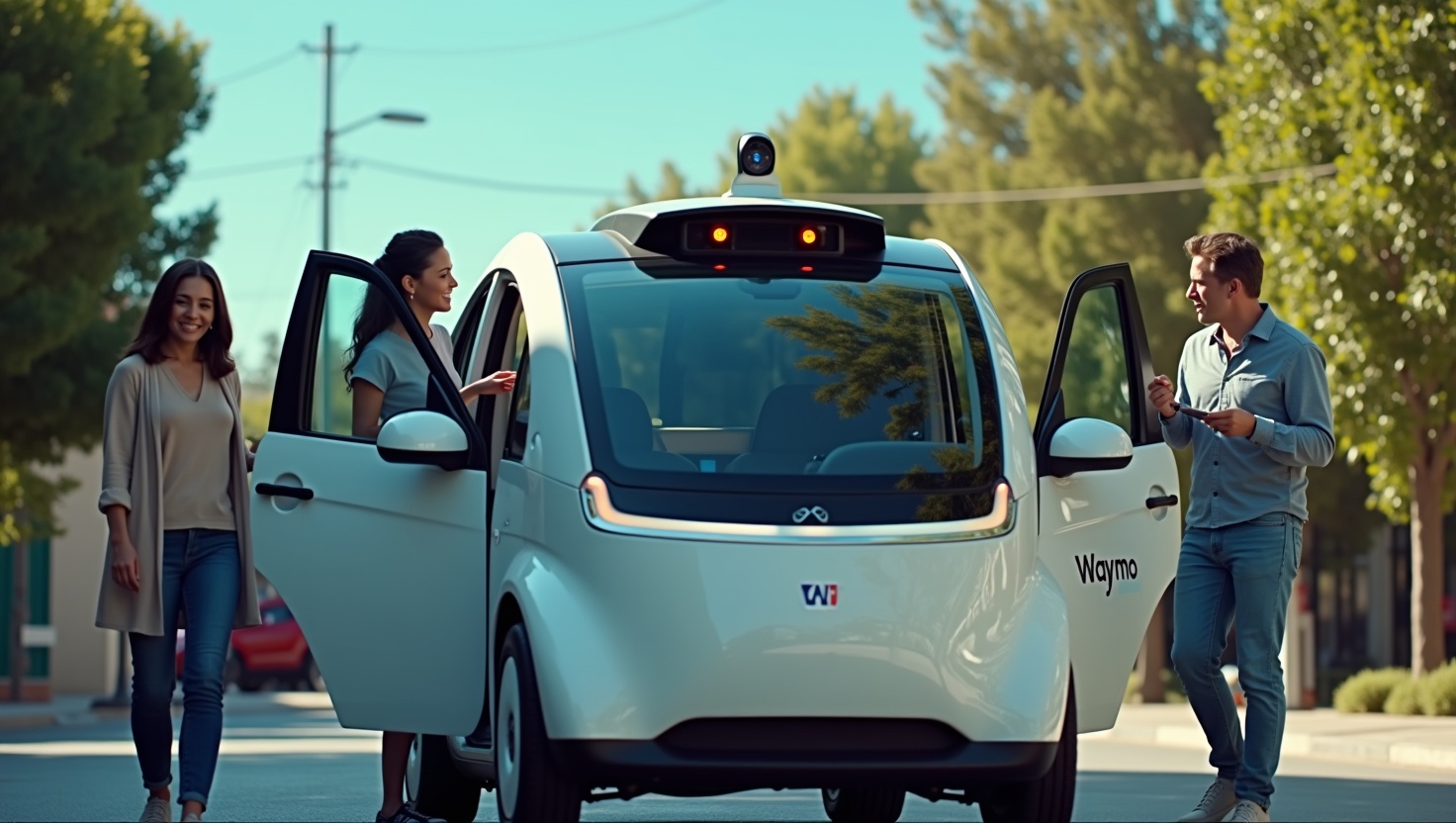
The Future of Autonomous Transportation: Innovations and Challenges in the Era of Robotaxis
Introduction
Autonomous transportation has quickly shifted from speculative fiction to an evolving reality, bringing with it vast implications for urban mobility. At the forefront of this shift is the emergence of robotaxis, automated vehicles poised to redefine how cities function and how individuals commute within them. Companies like Waymo lead the charge, as they pioneer the integration of autonomous technologies into both dense urban landscapes and sprawling suburban areas. The rise of these autonomous systems introduces a complex interplay of innovation, practicality, and challenge, all of which bear significance for the future of transportation.
Background
The journey towards autonomous transportation began with ambitious technological explorations in the mid-to-late 20th century, laying the groundwork for today’s advanced systems. Initially, these efforts were spearheaded by major automotive manufacturers that introduced rudimentary automation in vehicles. However, it was not until the past decade that significant strides were made, largely thanks to advancements in artificial intelligence and machine learning. These technological leaps have enabled companies like Waymo to transition their autonomous vehicles from pilot projects to operational services on city streets, transforming urban landscapes in ways previously unimagined.
Waymo’s role in this evolution is particularly notable. As a spin-off from Google’s self-driving car project, Waymo has consistently pushed the boundaries of what’s possible in autonomous transportation. Their relentless pursuit of innovation has positioned them as a leader in the development of robotaxi services, which they deploy in various cities, enhancing urban transport capabilities and offering consumers a glimpse into the future of commuting.
Current Trends in Autonomous Transportation
The current trends in autonomous transportation are closely tied to rapid advancements in robotaxi services. Companies such as Waymo are deploying fleets of self-driving vehicles that challenge traditional concepts of personal car ownership and public transportation. These robotaxis are not only reshaping logistics and transit but are also driving innovation in related fields such as AI-based traffic management systems that promise to optimize urban mobility.
Recent developments reflect the complex nature of this industry. For example, Waymo experienced a temporary suspension of its services in San Francisco due to a citywide power blackout, underscoring the vulnerabilities present in the system. As reported by TechCrunch, the blackout resulted from a fire at a Pacific Gas & Electric substation, affecting approximately 120,000 customers, with robotaxis coming to a standstill due to non-functioning traffic signals TechCrunch Article. This incident highlights the ongoing challenges as cities adapt to automation and infrastructure that needs to evolve alongside technological advancements.
Insights from Recent Events
The blackout in San Francisco serves as a telling example of how external circumstances can impact autonomous vehicle operations. Waymo, which typically provides around 450,000 robotaxi rides per week, found its operations disrupted. This underscores the dependency of these systems on robust infrastructure; a single point of failure, like a power outage, can cascade into significant operational challenges TechCrunch Article.
Public sentiment towards these innovations is mixed. While some see the service disruptions as a stumbling block for future adoption, others view them as growing pains inherent to any revolutionary technology. City managements remain cautiously optimistic, recognizing the potential improvements in efficiency and environmental impact that autonomous vehicles promise but also the necessity of fully preparing urban infrastructures.
Future Forecast of Autonomous Transportation
Looking forward, the trajectory of autonomous transportation seems promising yet paved with challenges that will need addressing. The potential for further integration of AI into the transportation ecosystem is immense, not only to enhance reliability but also to mitigate issues presented by infrastructural failures such as the recent blackout. Future technological advancements—such as decentralized power systems or improved vehicle autonomy—could provide buffers against these disruptions.
The emergence of strategic collaborations between tech firms and urban planners is expected to play a critical role in accelerating this transition. As cities evolve to accommodate these technologies, partnerships aimed at preemptively addressing infrastructural challenges will become increasingly important. This cooperative approach could reduce friction points and facilitate smoother transitions for robotaxi services in urban environments.
Call to Action
To remain informed and adaptive in this transformative period, readers are encouraged to actively engage with and follow trends in autonomous transportation. Whether it is through exploring how robotaxi services like Waymo may influence personal commuting options or understanding the broader implications for urban design, staying informed is crucial. By doing so, individuals and communities alike can prepare for an inevitable shift towards an autonomous transportation future that promises to redefine urban mobility for generations to come.