Blog

  • 5 Predictions About the Future of AI Agent Deployment That’ll Shock You

    5 Predictions About the Future of AI Agent Deployment That’ll Shock You

    AI Agent Deployment: Best Practices and Future Trends

    Introduction

    In the landscape of modern technology, AI Agent Deployment has emerged as a critical competency for businesses seeking to enhance operational efficiency and innovative capacity. AI agents are sophisticated software programs that make decisions and perform tasks on behalf of a user or another program. Their deployment allows businesses to automate processes, analyze large datasets, and predict outcomes with remarkable accuracy. This capability is pivotal in today’s enterprise environment, where intelligence and speed confer significant competitive advantages. Understanding how to effectively deploy these agents is essential for organizations striving to harness the full potential of AI technology.

    Background

    The evolution of AI in business has been rapid and transformative. Initially, AI applications were limited to research labs and experimental setups. Today, AI Agent Deployment has infiltrated almost every industry, from healthcare and finance to retail and manufacturing. Key to this evolution are deployment patterns—standardized methods that guide how AI agents are integrated into business operations. These patterns can vary significantly by industry and use case, depending on factors such as the nature of tasks to be automated and the technological infrastructure in place.
    Additionally, it’s crucial for enterprises to understand the regulatory frameworks that impact AI integration. Compliance with regulations ensures that AI systems are used ethically and legally, mitigating risks associated with data privacy and security. For example, consider deploying an AI agent in a highly regulated sector like finance. Much like a new employee needing to navigate office protocols, the AI must align with existing compliance requirements to operate effectively.

    Key Deployment Patterns

    Multiple deployment patterns exist, each tailored to distinct operational needs. For example, in a customer service setup, AI agents like chatbots are often deployed using a cloud-based model. This allows easy scalability and access to real-time data, empowering agents to handle increasing volumes of customer requests efficiently. In contrast, manufacturing industries might employ edge deployment patterns, placing AI agents closer to the data source to minimize latency and enhance real-time response capabilities.

    Trend

    The rise of Enterprise AI is reshaping how organizations deploy AI agents, focusing on blending artificial intelligence seamlessly into human operations. Current trends in AI Agent Deployment include the integration of AI with Internet of Things (IoT) devices to create smart factories, the use of machine learning algorithms to automate decision-making processes, and the development of personalized AI systems that enhance customer experiences.
    Technological advancements such as improved natural language processing and machine learning algorithms allow AI agents to perform complex tasks with greater efficiency and accuracy. This trend signals a strategic shift towards leveraging AI for predictive analytics and prescriptive solutions, fundamentally altering enterprise environments.

    Insight

    Effective Strategies for AI Deployment
    Drawing from best practices highlighted by experts such as Denis Prilepskiy, deploying AI agents effectively requires a deep understanding of the operational context and clear strategic goals. An effective strategy often begins with identifying specific pain points where AI can deliver immediate value and scaling up as benefits are realized.
    Understanding Regulatory Compliance
    A critical element of AI agent integration is ensuring compliance with data protection regulations. This involves designing AI systems that not only meet current regulatory standards but are also adaptable to future changes in regulation, mitigating risks and building trust among stakeholders.
    Common Pitfalls
    One common pitfall in AI agent integration is underestimating the importance of data quality. AI systems are only as good as the data they are trained on. Poor data quality can lead to inaccurate predictions and suboptimal decision-making. Organizations must prioritize establishing robust data pipelines and validation processes to ensure high-quality and relevant data feeds into AI models.
    For an in-depth look at these strategies, refer to Denis Prilepskiy’s article on Hacker Noon.

    Forecast

    Looking ahead, the future of AI Agent Deployment promises further innovation. We can expect AI to become even more embedded in business processes, with advancements in quantum computing potentially accelerating AI capabilities beyond current limitations. As businesses continue to adapt and integrate new technologies, AI’s role in shaping strategic decisions will become increasingly pronounced.
    Moreover, we anticipate growth in adaptive AI agents that learn and evolve autonomously, optimizing operations in real-time without human intervention. This would allow businesses to maintain a dynamic, responsive presence in competitive markets, driving innovation and efficiency forward.

    Call to Action

    AI Agent Deployment holds transformative potential for enterprises navigating the digital era’s complexities. We encourage you to delve deeper into the strategies discussed here and explore their implications for your industry. For further insights, consider reading Denis Prilepskiy’s article on effective deployment strategies and regulatory compliance. Embracing AI not only paves the way for operational enhancements but also positions your business at the forefront of technological innovation.
    Explore more on these topics through related articles, like the one provided by Denis Prilepskiy, which covers effective AI deployment strategies and common pitfalls: Read More.


  • How Innovators Are Using AI to Revolutionize Pollution Reduction Methods

    How Innovators Are Using AI to Revolutionize Pollution Reduction Methods

    AI Eco-Innovation: Paving the Way for a Sustainable Future

    Introduction

    In today’s rapidly evolving world, artificial intelligence (AI) is at the forefront of driving innovations across various sectors. One crucial area where AI is making significant strides is in eco-innovation, a field that combines technology and environmental science to create sustainable futures. AI Eco-Innovation focuses on applying intelligent systems to address pressing ecological issues, like pollution reduction and the development of sustainable technology. In this article, we will explore how the integration of AI is crucial in devising effective environmental solutions, its impact on current challenges, and future potentials.

    Background

    The world is grappling with formidable environmental challenges, such as alarming levels of pollution and climate change. Historically, technology has played a pivotal role in addressing these challenges through advancements in renewable energy and advances in recycling processes. However, the escalating urgency of these issues demands more innovative approaches. Enter AI technologies, which possess the capability to analyze vast data sets, predict outcomes, and automate processes for improved eco-efficiency. For instance, AI can optimize the operations of smart grids to balance energy consumption and reduce waste, setting a historical precedent for how technology can lead ecological charge.

    Trends in AI Eco-Innovation

    Amid the surge of AI applications, several noteworthy trends are emerging, particularly in pollution reduction. Innovative AI-driven systems are being deployed to monitor air quality, predict pollution patterns, and proactively manage industrial emissions. For example, in the realm of sustainable technology, AI-enhanced waste management systems use machine learning to improve the efficiency of recycling facilities, categorizing waste more accurately than manual sorting. Businesses, recognizing the value of these technologies, are increasingly embracing AI to not only meet environmental compliance but also to enhance corporate sustainability brand image.

    Insights from Industry Leaders

    Industry leaders and environmental experts highlight a growing consensus on the importance of collaboration in AI Eco-Innovation. Articles such as those from Hackernoon emphasize the necessity of partnerships between tech companies and environmental organizations to push the boundaries of innovation. For example, Microsoft’s AI for Earth initiative showcases the impact of collaborations in creating tools that advance sustainability goals globally. Such insights underscore that achieving meaningful progress in ecological efforts will require a unified approach, leveraging expertise from diverse sectors to maximize AI’s potential in fostering eco-innovation (source).

    Future Forecast for AI in Environmental Protection

    Looking ahead, the landscape of environmental protection is likely to be transformed by AI. Predictive models indicate an increase in AI integration to combat pollution, with advancements such as autonomous drones for air quality monitoring and AI-based climate modeling on the horizon. Over the next decade, we can expect significant advancements in sustainable technology, with AI at the core of developing smarter, more efficient energy systems. Additionally, supportive policies and increased investment in eco-innovation projects will be crucial in propelling these technologies forward, ultimately aiding in substantial pollution reduction and fostering a sustainable future.

    Call to Action

    As the world continues to face profound environmental challenges, engaging with AI Eco-Innovation initiatives becomes imperative. Businesses and individuals alike are encouraged to explore how AI can be incorporated into their sustainability practices, from implementing AI-driven energy solutions to adopting AI-powered recycling systems. By doing so, they can actively contribute to the global movement for environmental sustainability. For those interested in learning more or getting involved, numerous resources and organizations are dedicated to promoting eco-innovation, providing a gateway for meaningful participation in safeguarding our planet (source).
    In summary, AI Eco-Innovation is not just a catalyst for technological advancement but a vital necessity for environmental preservation. As we continue to harness the power of AI, the potential for a sustainable future becomes not just a possibility, but a reality within our reach.

  • 5 Shocking Predictions About the Future of KV Caching and Token Generation in AI

    5 Shocking Predictions About the Future of KV Caching and Token Generation in AI

    Understanding KV Caching: Transforming AI Optimization in Language Models

    Introduction

    In the ever-evolving field of artificial intelligence, optimization techniques are paramount for improving the efficiency and performance of models, particularly large language models like GPT. One such optimization technique that has been capturing attention is KV Caching. This method significantly enhances AI optimization by facilitating more efficient token generation processes in large language models, reducing the demand on computational resources while speeding up inference times. KV Caching plays a crucial role in enabling large models to perform complex tasks more rapidly, thus pushing the boundaries of possibilities in AI applications.

    Background

    KV Caching stands for Key-Value Caching, a method used in large language models to store and reuse keys and values derived from previously computed tokens. In the context of token generation, this technique allows models to avoid redundant calculations, thereby smoothing the path for seamless and swift text generation. Efficiency is a pivotal component in machine learning, as more efficient computational methods directly translate to cost savings and better model performance.
    Before the advent of KV Caching, generating sequences of tokens often required recalculating data that had been computed in prior steps. This redundancy led to unnecessary consumption of time and computational power. Concepts like Token Generation were plagued by these inefficiencies, limiting the practical applications of larger models due to their resource-intensive nature.

    Trend

    Recent advancements in KV Caching technology have led to its widespread adoption in modern large language models. Statistics demonstrate profound improvements in performance metrics. For instance, \”With KV Caching enabled, generating 1000 tokens takes around 21.7 seconds, whereas disabling KV Caching increases the generation time to over 107 seconds—nearly a 5× slowdown,\” as outlined in a MarkTechPost article.
    This stark improvement highlights the impact of KV Caching on generation time reduction, marking substantial milestones in the field of AI optimization. By integrating this technique, organizations can not only improve their models’ efficacy but also reduce costs associated with extended computation times.

    Insight

    The implications of KV Caching for the future of AI optimization are profound. It is especially critical for applications requiring real-time processing, where every millisecond counts, such as speech recognition and instant translation services. The benefits of reduced computation time and enhanced efficiency underscore the potential of KV Caching to revolutionize how efficient token generation is approached, making these applications more viable and scalable in real-market scenarios.
    Moreover, by enabling faster and more resource-efficient computation, KV Caching supports greener AI practices, reducing energy consumption and the carbon footprint of running extensive AI sessions, thus aligning with sustainable tech advancements.

    Forecast

    Looking forward, the potential for KV Caching within AI and language model development is promising. As models grow in complexity and the demand for real-time applications increases, techniques like KV Caching will likely become ever more integral. Future improvements could focus on further reducing computational overhead, perhaps enabling even more granular caching methods that could handle dynamic adjustments in live scenarios.
    However, as with any technological advancement, challenges may arise, particularly in ensuring that the caching mechanisms remain robust across diverse datasets and adaptable to the evolving architectures of language models. Continuous refinement and testing will be crucial to overcoming these hurdles.

    Call to Action

    KV Caching represents a substantial leap in optimizing AI and Large Language Models, offering avenues for extensive research and application improvements. For those interested in delving deeper into this exciting field of optimization techniques, I encourage you to explore more articles and resources on KV Caching. An excellent starting point is this detailed MarkTechPost article, which sheds light on the intrinsic workings and future prospects of this technology.
    By staying informed and engaged with the latest developments, AI enthusiasts and professionals alike can contribute to shaping the future of AI optimization and its profound impacts on the intersecting paths of technology and human experience.

  • What No One Tells You About the Risks of Autonomous Vehicles in City Blackouts

    What No One Tells You About the Risks of Autonomous Vehicles in City Blackouts

    The Future of Autonomous Transportation: Innovations and Challenges in the Era of Robotaxis

    Introduction

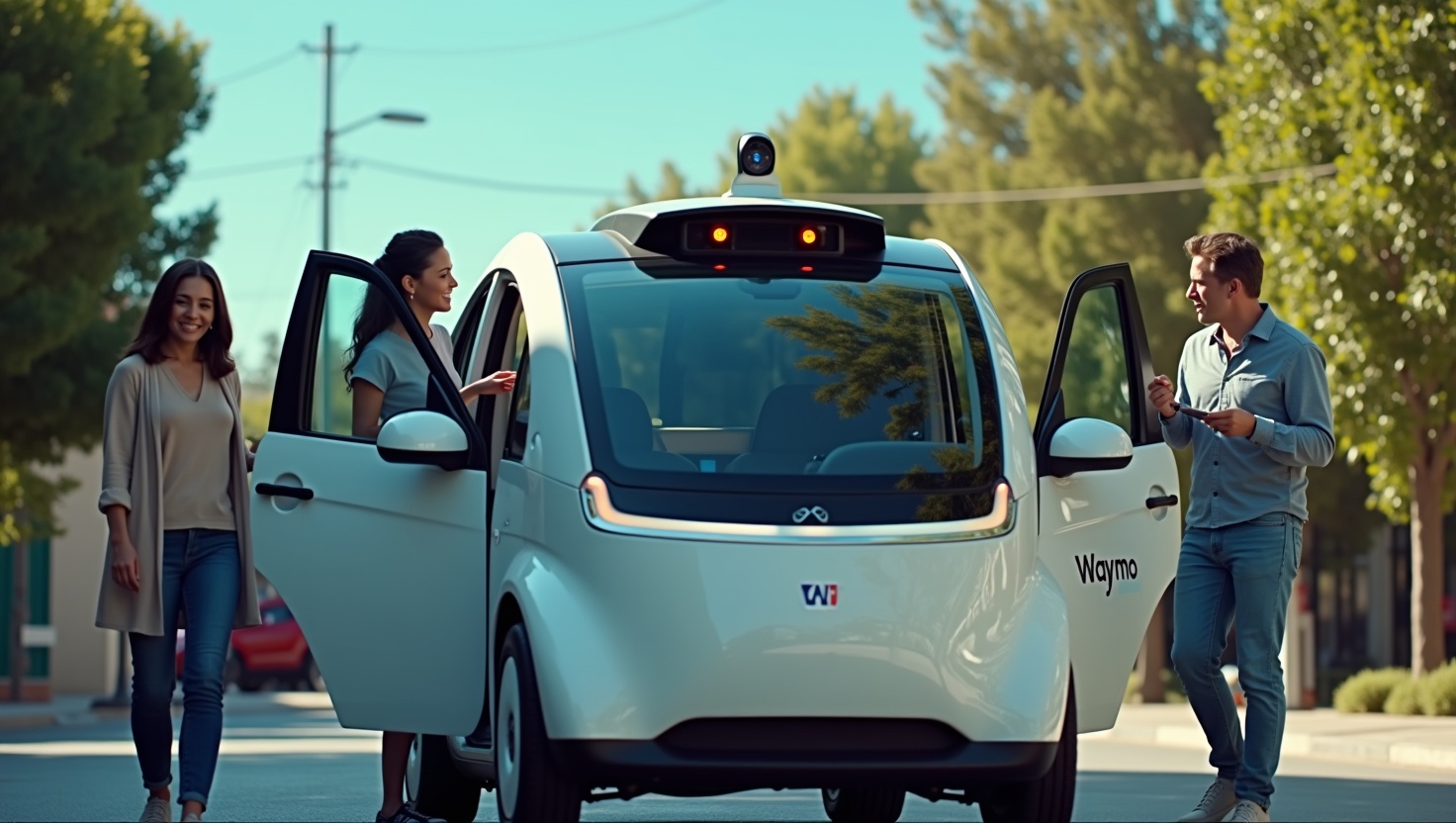
    Autonomous transportation has quickly shifted from speculative fiction to an evolving reality, bringing with it vast implications for urban mobility. At the forefront of this shift is the emergence of robotaxis, automated vehicles poised to redefine how cities function and how individuals commute within them. Companies like Waymo lead the charge, as they pioneer the integration of autonomous technologies into both dense urban landscapes and sprawling suburban areas. The rise of these autonomous systems introduces a complex interplay of innovation, practicality, and challenge, all of which bear significance for the future of transportation.

    Background

    The journey towards autonomous transportation began with ambitious technological explorations in the mid-to-late 20th century, laying the groundwork for today’s advanced systems. Initially, these efforts were spearheaded by major automotive manufacturers that introduced rudimentary automation in vehicles. However, it was not until the past decade that significant strides were made, largely thanks to advancements in artificial intelligence and machine learning. These technological leaps have enabled companies like Waymo to transition their autonomous vehicles from pilot projects to operational services on city streets, transforming urban landscapes in ways previously unimagined.
    Waymo’s role in this evolution is particularly notable. As a spin-off from Google’s self-driving car project, Waymo has consistently pushed the boundaries of what’s possible in autonomous transportation. Their relentless pursuit of innovation has positioned them as a leader in the development of robotaxi services, which they deploy in various cities, enhancing urban transport capabilities and offering consumers a glimpse into the future of commuting.

    Current Trends in Autonomous Transportation

    The current trends in autonomous transportation are closely tied to rapid advancements in robotaxi services. Companies such as Waymo are deploying fleets of self-driving vehicles that challenge traditional concepts of personal car ownership and public transportation. These robotaxis are not only reshaping logistics and transit but are also driving innovation in related fields such as AI-based traffic management systems that promise to optimize urban mobility.
    Recent developments reflect the complex nature of this industry. For example, Waymo experienced a temporary suspension of its services in San Francisco due to a citywide power blackout, underscoring the vulnerabilities present in the system. As reported by TechCrunch, the blackout resulted from a fire at a Pacific Gas & Electric substation, affecting approximately 120,000 customers, with robotaxis coming to a standstill due to non-functioning traffic signals TechCrunch Article. This incident highlights the ongoing challenges as cities adapt to automation and infrastructure that needs to evolve alongside technological advancements.

    Insights from Recent Events

    The blackout in San Francisco serves as a telling example of how external circumstances can impact autonomous vehicle operations. Waymo, which typically provides around 450,000 robotaxi rides per week, found its operations disrupted. This underscores the dependency of these systems on robust infrastructure; a single point of failure, like a power outage, can cascade into significant operational challenges TechCrunch Article.
    Public sentiment towards these innovations is mixed. While some see the service disruptions as a stumbling block for future adoption, others view them as growing pains inherent to any revolutionary technology. City managements remain cautiously optimistic, recognizing the potential improvements in efficiency and environmental impact that autonomous vehicles promise but also the necessity of fully preparing urban infrastructures.

    Future Forecast of Autonomous Transportation

    Looking forward, the trajectory of autonomous transportation seems promising yet paved with challenges that will need addressing. The potential for further integration of AI into the transportation ecosystem is immense, not only to enhance reliability but also to mitigate issues presented by infrastructural failures such as the recent blackout. Future technological advancements—such as decentralized power systems or improved vehicle autonomy—could provide buffers against these disruptions.
    The emergence of strategic collaborations between tech firms and urban planners is expected to play a critical role in accelerating this transition. As cities evolve to accommodate these technologies, partnerships aimed at preemptively addressing infrastructural challenges will become increasingly important. This cooperative approach could reduce friction points and facilitate smoother transitions for robotaxi services in urban environments.

    Call to Action

    To remain informed and adaptive in this transformative period, readers are encouraged to actively engage with and follow trends in autonomous transportation. Whether it is through exploring how robotaxi services like Waymo may influence personal commuting options or understanding the broader implications for urban design, staying informed is crucial. By doing so, individuals and communities alike can prepare for an inevitable shift towards an autonomous transportation future that promises to redefine urban mobility for generations to come.

  • What No One Tells You About the Future of AI-First Engineering

    What No One Tells You About the Future of AI-First Engineering

    AI-First Engineering: Revolutionizing the Future of Software Development

    Introduction

    AI-First Engineering is not just a catchy phrase; it’s a transformative approach that’s flipping traditional software development on its head. Imagine a world where AI isn’t just a supportive tool but a core architect of the code, crafting, optimizing, and innovating every line. This isn’t a distant future; it’s happening now. In today’s tech landscape, embracing an AI-First mindset means prioritizing AI from the ground up, crafting systems designed to think, adapt, and anticipate user needs at incredible speeds. As the world catapults towards digitization, AI-First Engineering is tearing down the limitations of conventional development processes, paving the way for groundbreaking innovation and efficiency like never before. This isn’t merely evolution—it’s a digital revolution.

    Background

    The historical shift towards AI-First methodologies marks a significant evolution in engineering practices. Classic software development relied heavily on human-driven processes: stages of coding, testing, and deployment, each with its bottlenecks and inefficiencies. Enter AI, the game-changer. The integration of AI in engineering has evolved through several phases. Initially, AI-supported approaches offered augmentative capabilities, much like a calculator aiding math equations. However, the paradigm shift towards AI-First strategies is akin to moving from walking to flying. It taps directly into the core of innovation, automating not just tasks but entire phases of development. Companies like Google and IBM have pioneered AI-First frameworks, proving the efficacy and enhanced efficiency of these methods. Significant milestones such as the development of neural networks and machine learning algorithms have laid the groundwork for these AI-centric strategies, making traditional development practices seem almost archaic by comparison.

    Trend

    The AI-First trend is accelerating with companies adopting AI tools to revolutionize their processes. Imagine a symphony where each note optimizes itself, adjusting to the audience in real-time. AI-First Engineering works similarly by creating software that continuously learns and improves, drastically cutting down the initial development phase and minimizing errors in real-time. Efficiency becomes the heart of the operation, driving not only how software is developed but also its delivery and maintenance, optimizing productivity across all facets of a development cycle. Popular platforms like GitHub are incorporating AI-driven features to offer advanced code suggestions and revisions, reflecting the growing norm where efficiency isn’t just expected, it’s demanded.

    Insight

    The shift to AI-First methodologies is not just a back-end revolution; it profoundly impacts user experience and community engagement. According to Hackernoon, aesthetic choices such as light and dark modes can significantly influence user interaction. In this light, AI-First engineering not only prioritizes the internal mechanics of software but also tailors the user’s journey, making the interface more intuitive and responsive. Data from UI studies suggest that user satisfaction can soar when AI personalizes applications to suit individual preferences and behaviors, creating a seamless, engaging experience.

    Forecast

    Peering into the horizon, AI-First Engineering is set to redefine the contours of technology. Emerging technologies like quantum computing and advanced neural processing hint at a future where AI-driven systems will autonomously develop and refine other AI, creating a cascade of improvements that dramatically elevate the quality and capabilities of software. As industries race to keep up, the primary challenge will be adapting to these rapid changes, fostering an environment where innovation is a continuous process rather than sporadic leaps. The prospective development of AI that can mimic and predict human emotions in software interactions points towards an era where AI-First isn’t just an option; it’s an imperative to keep pace with global digital demands.

    Call to Action

    The time to start embedding AI-First Engineering into your projects is now. Don’t just be a spectator in this revolution; become a pioneer. Engage with this transformational approach by exploring the plethora of resources available online. Start with resources from Hackernoon to understand the core principles and applications of AI-First methodologies. Dive into AI-driven tools such as TensorFlow or PyTorch, and experiment with integrating them into your projects. The only thing standing between you and AI-driven success is action. Embrace the future of software development today.

  • 5 Ways AI Health Improvement is Revolutionized by Jon Medved’s Experience with ALS

    5 Ways AI Health Improvement is Revolutionized by Jon Medved’s Experience with ALS

    AI Health Improvement: Transforming Lives in the Face of Adversity

    Introduction

    In today’s rapidly evolving world, AI Health Improvement stands as a beacon of hope and innovation, addressing some of the most challenging health conditions known to humanity. This transformative power of artificial intelligence in the health sector is exemplified by the story of Jon Medved, a renowned venture capitalist recently diagnosed with ALS. Medved’s journey illustrates not only the personal battles individuals face but also the crucial role technology plays in managing and potentially alleviating debilitating conditions. The intersection of technology and health presents a promising future where AI can significantly enhance life quality.

    Background

    Jon Medved, once a robust figure in the venture capital world, has profoundly influenced the realm of HealthTech. As the former CEO of OurCrowd, Medved has been instrumental in advancing numerous technological innovations. However, his recent ALS diagnosis has introduced a stark contrast, significantly impacting his life and career. ALS, an unforgiving neurodegenerative disorder, underscores the fragile nature of human health and the urgent need for innovative solutions. Medved’s journey in the tech sector, plagued by this disease, highlights how personal health challenges can drive innovation, particularly in HealthTech.

    Current Trends in HealthTech

    The landscape of HealthTech is rapidly evolving, with AI taking center stage in this revolution. A testament to this shift is the staggering investment of $800 million in the Israeli venture ecosystem in just one week. AI Avatars and other cutting-edge technologies are being harnessed to optimize health outcomes for individuals like Medved, who now rely on these innovations more than ever. These tech advancements are analogous to the dawn of mobile technology—it was once a luxury, but now, it’s an indispensable part of our daily lives. Similarly, AI-driven HealthTech solutions are becoming vital in managing and improving health conditions.

    Insights from Jon Medved’s Experience

    Medved’s experience with ALS provides illuminating insights into the importance of HealthTech. His reflections, such as, \”I had been feeling a little weird before, and they didn’t know what was ailing me,\” highlight the pervasive uncertainty that those with chronic conditions face. Despite the grim nature of ALS, Medved’s optimism shines through as he acknowledges the transformative role of technology in enhancing life quality. His commitment to advancing HealthTech, even amidst personal trials, illustrates the potent impact that venture capital and innovation can have on health management.

    Future Forecast for AI in Health Improvement

    The future of HealthTech is promising, with projections indicating that venture investment in this area could reach between $15 billion and $16 billion. Innovations like AI Avatars, tailored therapies, and advanced diagnostic tools are expected to play a pivotal role in managing diseases such as ALS. As these technologies mature, they could revolutionize how we approach not only neurodegenerative diseases but a wide array of health issues. It’s akin to the impact of the Internet on communication—transformative and all-encompassing.

    Call to Action

    In light of these advancements, there is a pressing need for collective support of HealthTech initiatives and innovations. Readers are encouraged to explore ways to contribute, whether through investments or by supporting organizations such as the Scott-Morgan Foundation and emerging startups backed by pioneers like Medved. For further information and ways to get involved, refer to resources in this TechCrunch article.
    As we stand on the threshold of this technological revolution, every step towards supporting HealthTech is a step towards transforming healthcare for the better. Readers can make a difference by engaging with the ever-growing network of innovators and thought leaders driving this change.
    Read more about Jon Medved and his impact on HealthTech.

  • What No One Tells You About the Impact of NVIDIA’s Nemotron 3 on Agentic AI

    What No One Tells You About the Impact of NVIDIA’s Nemotron 3 on Agentic AI

    Unleashing Potential: The Impact of NVIDIA Nemotron 3 on Agentic AI

    Introduction

    In the ever-evolving landscape of artificial intelligence, NVIDIA’s latest endeavor, the Nemotron 3, is setting new benchmarks for Agentic AI applications. Positioned at the cutting edge of AI technology, the Nemotron 3 isn’t just an incremental step forward but a giant leap, especially concerning long context models in machine learning. As organizations across the globe probe the immense possibilities that come with AI development, the importance of processing and understanding extensive data sequences in real-time has never been more critical.
    Long context models, which are central to analyzing extensive data inputs over prolonged periods, are becoming indispensable tools in AI. NVIDIA Nemotron 3, with its revolutionary architecture, offers unprecedented capabilities in this domain, thereby redefining what is achievable in multi-agent systems. In this blog post, we will explore the technical architecture of the Nemotron 3, its impact on Agentic AI, and what the future holds for AI development.

    Background

    Delving into the architecture of the NVIDIA Nemotron 3 reveals a sophisticated design that supports the intricacies of long context reasoning. Central to this design is its Mixture of Experts (MoE) architecture, a component specifically engineered to handle diverse AI workloads efficiently. MoE splices the Nemotron 3 into three distinct variants: Nano, Super, and Ultra—each tailored for different workloads and operational capacities.
    Nemotron 3 Nano is engineered with around 30 billion parameters, with 3 billion active per token, making it ideal for tasks with moderate complexity.
    Nemotron 3 Super comprises approximately 100 billion parameters, with up to 10 billion active per token, well-suited for more demanding processes.
    Nemotron 3 Ultra, with its massive 500 billion parameters and 50 billion active per token, is crafted for the most complex and demanding machine learning scenarios.
    These models leverage the Hybrid Mamba Transformer architecture, enabling support for large-context windows of an impressive 1 million tokens. This design radically enhances performance for multi-agent systems across a wide array of applications source.

    Trend

    The trend toward Agentic AI has aligned perfectly with the increasing need for sophisticated machine learning models capable of handling extensive context windows. As more sectors integrate AI into their operational frameworks, the demand for models like Nemotron 3 has surged. According to recent statistics, the Nemotron 3 models show remarkable performance improvements. For example, the Nano variant delivers nearly four times the token throughput compared to its predecessor. This increased efficiency underscores the growing need for more capable AI systems that not only process data but do so with enhanced context retention and reasoning capabilities.
    These figures illuminate a clear trajectory: Organizations are leaning heavily towards AI systems that can amalgamate vast amounts of data efficiently, making informed and strategic decisions autonomously.

    Insight

    One of the hallmark features of the NVIDIA Nemotron 3 is its optimal balance between performance and efficiency. The architecture allows for the integration of large context windows—up to 1 million tokens—directly addressing the increasing complexity and intricacy of AI applications today.
    Consider the analogy of reading a lengthy novel. While a human can comprehend and recall details from vast segments of the text, traditional AI models often struggle with context retention as data length increases. Nemotron 3’s design overcomes this barrier, retaining and processing enormous volumes of data as if it were parsing a narrative, ensuring each context clause contributes to decisions.
    With this ability, the Nemotron 3 doesn’t just engage with data—it fully immerses itself, driving compelling insights and fostering profound learning experiences in various AI applications.

    Forecast

    Looking to the future, technologies like NVIDIA Nemotron 3 are poised to redefine the boundaries of AI development. With advancements in agentic AI, systems could evolve to perform even more complex tasks autonomously, potentially reshaping industries such as healthcare, finance, and entertainment.
    Imagine a future where healthcare diagnostics benefit from AI systems that sift through millions of medical histories in seconds, or financial platforms that analyze economic trends spanning decades to make informed investment decisions. Nemotron 3 and its successors could drive this paradigm shift, making AI not just a reactive tool but a proactive, strategic asset.

    Call to Action

    In the fast-paced world of AI technology, staying informed is more crucial than ever. As NVIDIA continues to push the boundaries with innovations like the Nemotron 3, it’s vital for enthusiasts and experts alike to keep a finger on the pulse of the evolving AI landscape. Subscribe to specialized newsletters, follow platforms reporting on the latest in machine learning innovations, and ensure that you remain at the forefront of this exciting frontier. The future of AI promises to be transformative, and keeping informed is the first step in harnessing its full potential.

  • What No One Tells You About the Impact of FTC Scrutiny on Robotics

    What No One Tells You About the Impact of FTC Scrutiny on Robotics

    Regulatory Challenges in Robotics

    Introduction

    The robotics industry stands at the forefront of technological innovation, with consumer applications transforming daily life. From automated vacuum cleaners to sophisticated assembly line robots, the potential of robotics is vast and growing. However, as the field advances, it encounters an array of regulatory barriers, posing significant challenges. Regulatory Challenges in Robotics is not just a buzzword but a crucial concept for understanding the evolving landscape of robotic innovation. Recent events, particularly concerning iRobot and the FTC‘s scrutiny over its acquisition attempts, underscore the importance of dissecting these challenges to cultivate a conducive environment for innovation.

    Background

    The consumer robotics market, propelled by innovators like iRobot, has burgeoned over recent decades. Among the trailblazers, Colin Angle, founder of iRobot, has been instrumental in steering the company through various regulatory waters. His Roomba line brought robotics into the domestic realm, revolutionizing household chores. However, with innovation comes increased oversight, evidenced by the FTC‘s role in scrutinizing potential mergers and acquisitions. The recent 18-month review of Amazon’s $1.7 billion acquisition attempt of iRobot, which was eventually thwarted, highlights the complexities involved. Angle’s perspective, as explored in a TechCrunch article, reveals how such regulatory hurdles can stifle innovation and entrepreneurship within the sector source.

    Trend

    Current trends indicate a tightening grip on tech companies by regulatory bodies, a scenario vividly impacting the robotics sector. The FTC and European Commission have ramped up their oversight, fearing monopolistic tendencies in burgeoning markets. This increased scrutiny poses significant challenges to innovation. For instance, Colin Angle remarked that the FTC’s review process could last as long as 18 months, a duration he believes is excessive and detrimental to technological advancement. Such delays mirror a classic roadblock analogy where a single unscheduled stop can stagger an otherwise smooth journey, impacting momentum and deterring progress. These regulatory delays are typically justified as necessary for consumer protection and market fairness, yet they inevitably curb the agility required for innovation source.

    Insight

    The ripple effects of these challenges are significant, shaping the strategic approaches of entrepreneurs in the robotics industry. There’s a noticeable shift as these innovators learn from industry veterans like iRobot, adapting to ever-evolving regulatory landscapes. This adaptation involves strategic market entry and product development timelines, designed to weather potential regulatory delays. As demand grows for robots that solve everyday problems, entrepreneurs are harnessing these lessons, crafting solutions that circumvent pitfalls faced by larger corporations. This shift is not just reactive but also proactive, aligning product offerings with market needs while anticipating regulatory hurdles. Entrepreneurs are essentially playing a complex chess game, each move weighed against possible regulatory constraints.

    Forecast

    Looking ahead, the future of robotics seems poised for a delicate balance between regulation and innovation. Predictably, regulatory frameworks will evolve to better accommodate rapid technological advancements while safeguarding public interests. This effort will necessitate a collaborative approach, drawing insights from industry leaders like Colin Angle, who continue to advocate for regulatory conditions that foster, rather than hinder, technological progress. In the coming years, we may witness more supportive policies aimed at harmonizing innovation with regulatory standards, potentially leading to a renaissance in consumer robotics innovation. Such a landscape would not only benefit consumers but also stimulate economic growth, setting a precedent for tech-driven sectors globally.

    Call to Action

    Staying informed about evolving regulatory landscapes is imperative for stakeholders in the robotics industry. Entrepreneurs and innovators are encouraged to engage in the discourse, offering perspectives and strategies for navigating these challenges. Resources abound for those keen on understanding the interplay between innovation and regulation, guiding them through the intricacies of the tech industry. As we look to the future, collective efforts and informed strategies will be key to overcoming regulatory hurdles and unlocking the full potential of robotics.
    For further details on Colin Angle’s experiences and insights, refer to his conversation featured on TechCrunch here.

  • Israel-Iran Tensions, US Oil Waiver: India’s Delicate Energy Balance Explained

    The escalating tensions between Israel and Iran cast a long shadow over global energy markets, directly impacting India’s vital oil security. As the threat of a wider conflict in the Middle East looms, the region, a critical source for global crude, faces significant instability. This geopolitical volatility is further complicated by the recent US 30-day waiver on Russian oil, a move that, while seemingly distant, indirectly influences global supply dynamics and price benchmarks.

    For India, a nation where approximately 90% of crude oil is imported, these developments are particularly concerning. After significantly reducing its purchases of Russian crude oil, India has increasingly diversified its supply, with a substantial 40-50% of its crude oil imports now originating from the Middle East. This heavy reliance makes India highly vulnerable to any disruptions in the Strait of Hormuz or price surges stemming from regional conflict. The US waiver on Russian oil, even if India is buying less, means more Russian oil could theoretically enter the market elsewhere, slightly easing global supply concerns, but the overriding threat from the Middle East remains paramount for India’s energy future, potentially leading to higher inflation and economic strain.