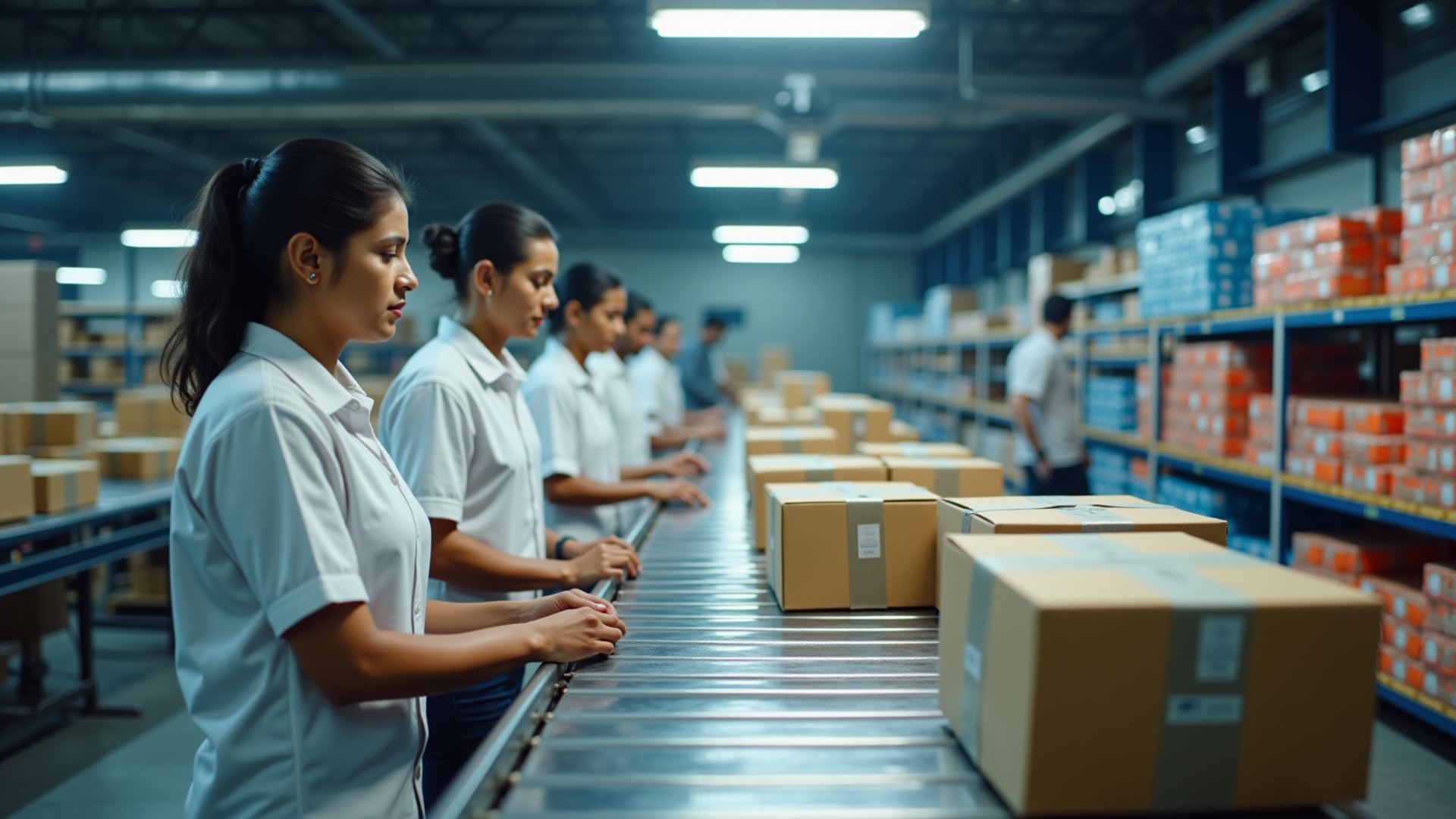
As an e-commerce leader, you understand the nuances that make or break your business’s international potential. The recent government decision to remove the Rs10 lakh courier export cap is not just another regulatory update—it’s a strategic inflection point for your export ambitions and India’s digital trade ecosystem. This shift opens up avenues that were previously bottlenecked by compliance and logistical limits, giving you a clear runway to accelerate your cross-border commerce plans.
Why This Matters to You and Your E-Commerce Business
For you, whether steering a D2C brand or managing a growing marketplace platform, the removal of the courier export cap means expanded access to global customers without the prior constraints of shipment value limits. This directly impacts your ability to scale efficiently, optimize your unit economics, and deliver better foreign customer experiences. Imagine the agility gained when you no longer have to juggle complex approvals or split consignments to stay under regulatory thresholds.
Moreover, the accompanying overhaul in e-commerce trade rules brings clarity around compliance, taxation, and data handling—areas that have long been pain points hindering international growth for Indian digital retailers. Collectively, these changes empower you to rethink your export strategy not as an add-on, but as a core growth engine.
What Has Changed in India’s Export Landscape?
Until recently, the Rs10 lakh courier export cap effectively limited small-value parcel shipments, a framework that was restrictive especially for digitally native, agile brands and SMEs trying to access global markets. Now, the government has removed this cap, allowing larger-value shipments through courier channels with fewer compliance roadblocks.
At the same time, the regulatory landscape around e-commerce trade—including marketplaces, payments, and cross-border transactions—has been modernized to streamline seller onboarding, clarify export-specific taxation, and incentivize technology-based compliance solutions. These reforms aim to reduce friction and enhance operational efficiency.
Key Impacts on Your Business and the E-Commerce Ecosystem
- Accelerated Market Entry: You can now scale international shipments faster and with less administrative hassle, crucial for timely deliveries and repeat business.
- Enhanced Unit Economics: Reduced logistics friction means lower costs per shipment and better margins on cross-border sales.
- Marketplace Advantage: Platforms that integrate export-ready logistics and compliance frameworks position themselves as facilitators of global commerce, drawing more sellers and buyers.
- Democratizing Export Access: Smaller brands and entrepreneurs in tier-2 and 3 cities gain easier entry to foreign markets.
- Boost to Quick Commerce: Lifting the cap aligns well with the rising expectations of faster international last-mile delivery, key for customer satisfaction abroad.
- Foreign Exchange and Employment: Expanded exports boost forex earnings and create jobs around logistics, fulfillment, and digital payments.
“The real edge is not only in selling faster, but in building a brand, a system, and a customer relationship that lasts.”
Strategic Insights: How to Leverage This Policy Shift
This moment calls for you to recalibrate your growth approach. Consider export readiness as foundational, not supplementary. Prioritize building infrastructure—both technological and physical—that supports seamless international order fulfillment and compliance agility.
Invest in cross-border payment gateways and data analytics to enhance customer understanding and tailor personalized fulfillment paths. Such tech-driven solutions improve trust and repeat purchase probability, essential metrics for sustainable growth.
Marketplaces and fintech companies should explore embedding export logistics and compliance services into their platform offerings, creating a seamless ecosystem for sellers and buyers alike.
What You Should Take Away and Act On
- Understand that the removal of the Rs10 lakh courier export cap removes a significant export barrier, unlocking new growth potential.
- Monitor evolving trade regulations closely and align your compliance, taxation, and data management processes accordingly.
- Develop export-ready logistics partnerships that can reliably execute quick deliveries internationally.
- Leverage technology investments in payment gateways and customer analytics to optimize conversion and retention overseas.
- Position your brand or platform as globally competitive by integrating export strategy early in your business model.
“In e-commerce, growth matters — but retention is what turns traffic into a business.”
Potential Risks and Challenges
While the removal of the courier cap is progress, navigating international compliance remains complex. There will be heightened expectations around data security, customs regulations, and local taxation nuances. If you overlook building robust compliance capabilities, operational disruptions could offset the gains from easier shipment thresholds.
Additionally, increased competition in international markets demands sharper differentiation in brand, customer experience, and fulfillment excellence. Simply accessing new markets is not enough; you must adapt to diverse consumer behaviors and regional dynamics.
What to Watch Next in India’s E-Commerce Export Journey
Keep an eye on how marketplaces, fintech, and logistics providers innovate around export solutions post-reform. Watch for new export-focused fintech products, AI-driven compliance tools, and partnerships bridging last-mile delivery across borders.
Also, observe government signals on further policy enhancements aimed at supporting exporters, such as incentives for export logistics infrastructure and digital export facilitation platforms.
Conclusion: Seize the Moment to Drive Global Ambitions
The removal of the Rs10 lakh courier export cap coupled with the overhaul of e-commerce trade rules is a watershed moment for India’s digital commerce ecosystem. For you, this is an opportunity to expand beyond domestic confines and claim a global footprint with fewer operational constraints.
By aligning your export strategy with these newfound freedoms, embedding compliance agility, and investing in tech-enabled fulfillment, your e-commerce venture can not only grow revenues but also build a resilient, sustainable international brand presence.
Remember, the future of Indian e-commerce growth depends on seamless integration of domestic leadership with global ambitions. This recent policy change is your green light to make that integration happen effectively and profitably.
“When logistics, customer trust, and unit economics align, digital commerce growth becomes far more durable.”