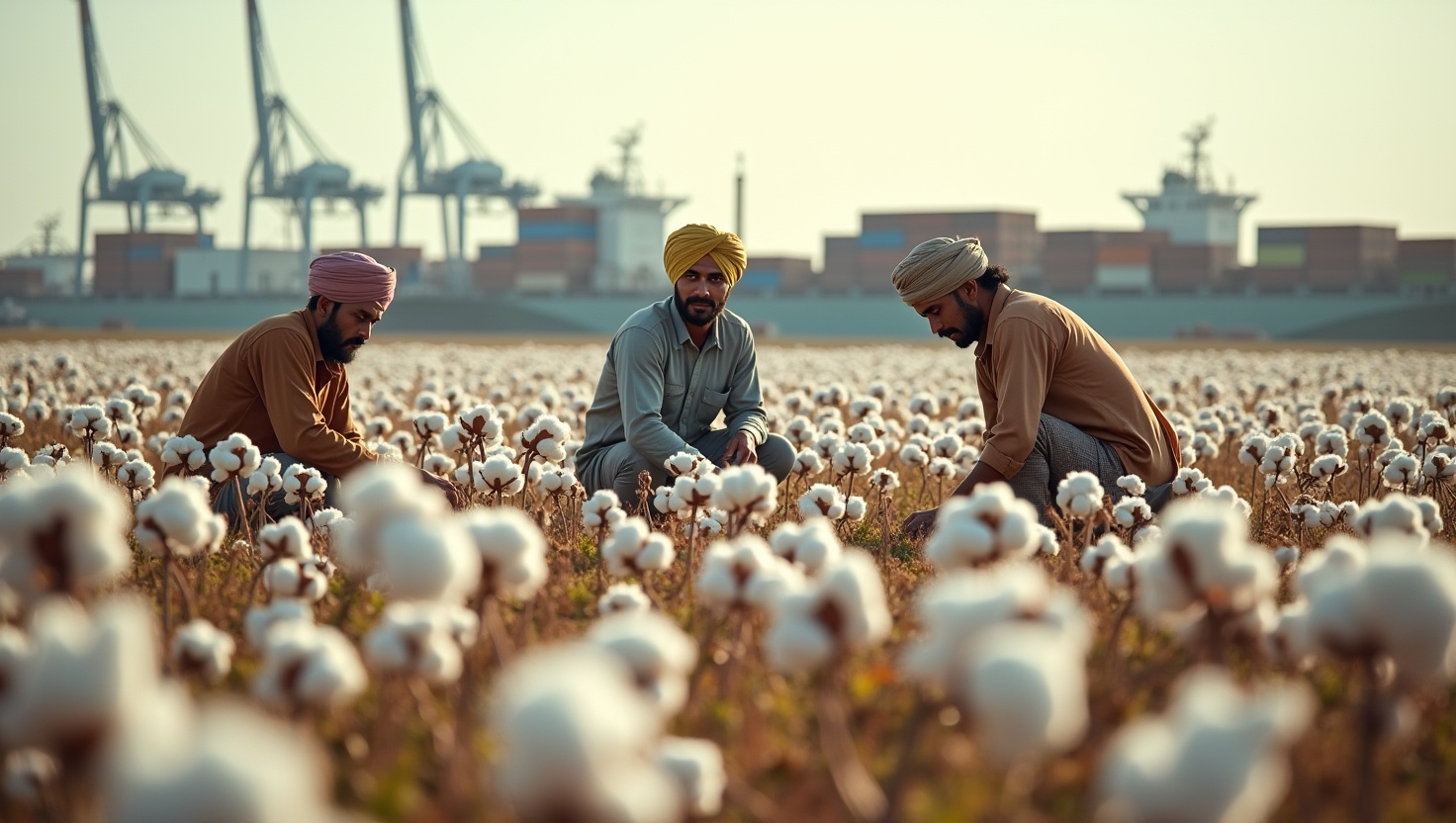
You stand at a pivotal intersection in global cotton trade, witnessing India dethrone China as the largest exporter of cotton products to the United States in 2025. This shift is not merely a headline — it signals a transformative wave for your agribusiness strategy, investment decisions, and policy engagement. Understanding this development lets you harness emerging opportunities in cotton value chains, rural finance, and agritech innovation to secure a competitive edge.
Why This Development Matters to You
As a stakeholder in agribusiness, whether you are a CEO, investor, policymaker, or progressive farmer with a business outlook, India’s ascent reshapes your perspective on global market dynamics and supply chain positioning. It influences your sourcing strategies, export partnerships, technology adoption, and financial planning. India’s leadership in cotton exports means increased demand for regional cotton production, affecting farm economics and rural livelihoods that underpin your supply base. With cotton being a core commodity linking rural economies to global textile markets, your readiness to adapt can redefine profitability and growth.
What Is Happening in Cotton Export Leadership?
India has overtaken China to become the top exporter of cotton products to the US market in 2025, reflecting a decisive realignment in global trade flows. This change is driven by factors including:
– Enhanced export policies facilitating smoother trade.
– Adoption of sustainable cultivation and processing techniques reducing environmental footprints.
– Innovation in agritech boosting yields and fiber quality.
– Strengthened supply chains ensuring reliable and timely delivery.
This progress underscores India’s strategic focus on integrating modern agricultural practices with global market demands, positioning itself strongly within the textile supply ecosystem that services US manufacturers and retailers.
Key Business and Market Implications
This milestone is a crucial signal for your strategic decision-making in agribusiness:
– **Supply Chain Optimization:** India’s rise offers a dependable alternative to Chinese cotton imports, encouraging you to diversify sources and mitigate geopolitical and trade disruption risks.
– **Investment in Agritech:** Improved cotton productivity and quality are powered by technology—precision farming, better seed varieties, and digital farm-management platforms—which you can leverage or invest in to scale efficiency.
– **Farm Finance and Rural Prosperity:** Enhanced export demand supports better income streams for cotton growers. This creates a positive cycle attracting credit and insurance products tailored to cotton farmers, strengthening the rural economy that underpins your raw material sourcing.
– **Policy Impact:** India’s export success results partly from supportive government policies focused on export incentives, infrastructure development, and sustainability standards compliance, which you need to monitor for strategic alignment.
Strategic Analysis: Unpacking India’s Competitive Shift
India’s cotton export leadership reflects a fusion of market opportunity, policy impetus, and agribusiness innovation. The country’s climate advantages and labor availability, combined with progressive strategies around sustainable cultivation methods and post-harvest management, position it favorably.
You should recognize that this leadership is not static but an evolving competitive positioning. Enhancements in supply chain transparency, traceability certification, and adherence to international environmental standards will be critical. Indian cotton’s appeal increases not only because of volume but also due to improved quality and reduced carbon footprints, increasingly valued by global brands and consumers.
“In agriculture, timing is rarely just operational — it is strategic.”
Practical Takeaways for Agribusiness Leaders
– Understand how India’s increasing cotton exports could reshape your procurement costs and timelines.
– Monitor government trade policies and export incentives carefully — these will influence your competitive positioning.
– Evaluate agritech innovations relevant to cotton production and processing as potential investment or adoption targets.
– Consider rural finance development trends as indicators of supply chain stability and farm-level profitability.
– Develop forward-looking risk management strategies around market volatility and international trade shifts.
Expert Perspective
“The real opportunity is not in reacting late, but in understanding where the market is moving next.”
“When policy, technology, and farm economics align, growth becomes more scalable.”
Risks and Challenges You Must Consider
– Global market fluctuations remain a reality, influenced by tariffs, geopolitical tensions, and shifting consumer demand.
– Indian cotton producers must continue addressing challenges related to pest management, water use efficiency, and climate resilience to sustain growth.
– Supply chain bottlenecks such as logistics and port capacities can impede timely delivery.
– Currency fluctuations can impact export pricing and profitability.
What You Should Watch Next
Track India’s ongoing regulatory reforms in agriculture exports and infrastructure investments, as these will further enhance market access. Keep an eye on emerging agritech startups innovating for cotton production efficiency. Observe global textile market trends, particularly shifts in US import policies and consumer sustainability expectations. These factors will shape the next chapter of India’s export leadership and your business opportunities.
Conclusion: Positioning Your Agribusiness for Growth
India’s rise as the leading cotton exporter to the US is a strategic beacon for your agribusiness future. It opens pathways to leverage an expanding supply chain rooted in sustainable practices, agritech innovation, and policy support. By understanding these dynamics, you can make informed decisions that enhance your farm finance structures, optimize supply chains, and capture new growth avenues in the global cotton market.
In embracing this shift, remember this — your advantage lies not only in recognizing India’s cotton export leadership but in actively integrating this evolution into your strategic growth framework.