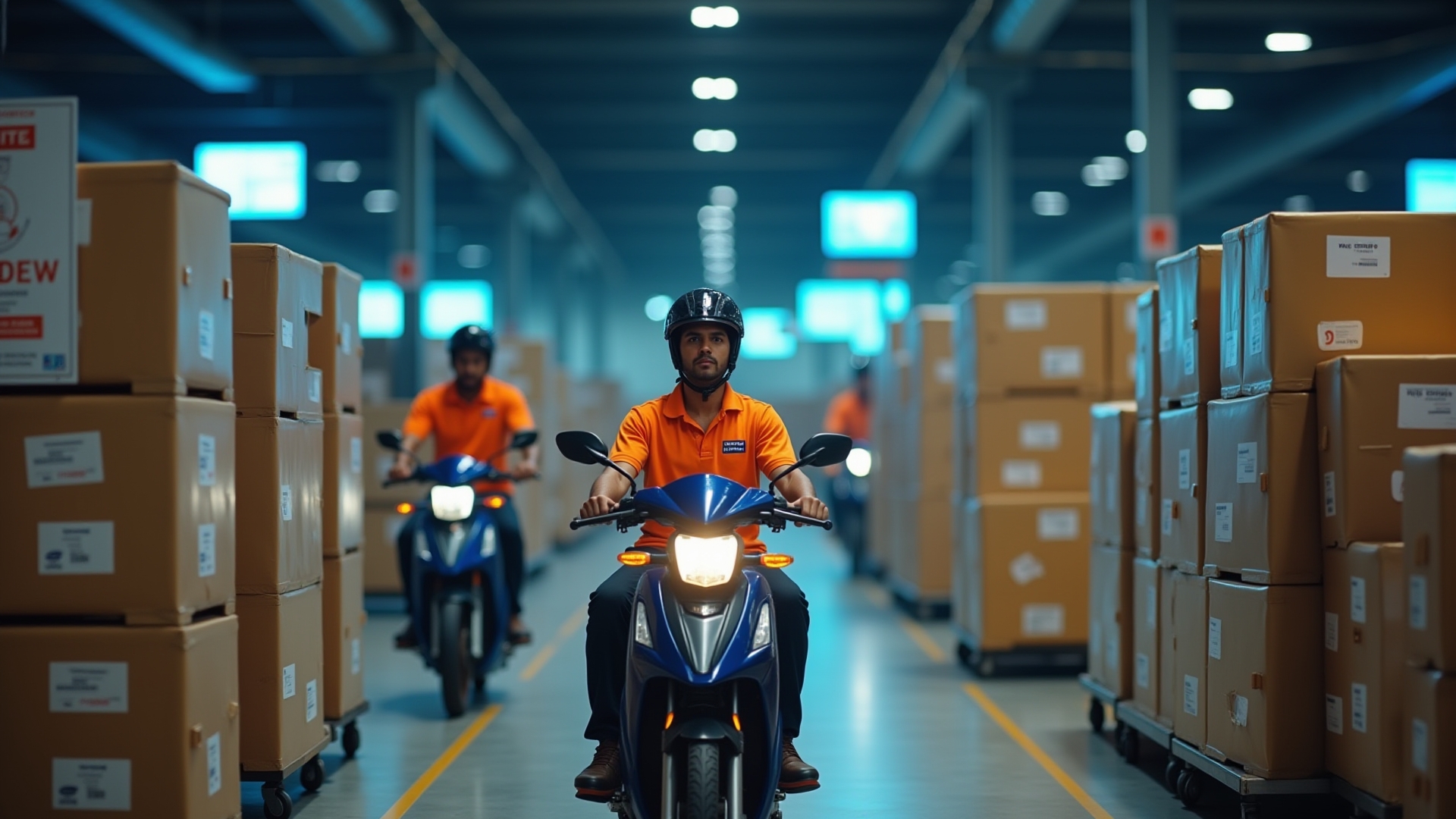
As a leader in your e-commerce business or digital retail venture, understanding the transformative shifts in India’s marketplace is crucial to staying competitive and profitable. Amazon’s recent strategic immersion into quick commerce is a definitive signal that the future of e-commerce in India hinges on speed, innovative logistics, and heightened customer expectations. This is not just another expansion; it’s a harbinger of how delivery speed and technology innovation will reshape your customer acquisition, retention strategies, and operational priorities.
Why This Matters to You
The rise of quick commerce—fulfilling orders within minutes or a few hours—throws down a gauntlet for all stakeholders in digital retail, including marketplace operators, D2C brands, investors, and logistics leaders. If you are building or scaling an e-commerce platform, ignoring quick commerce’s impact means risk falling behind in a market that increasingly values immediacy. Consumers in tier-2 and tier-3 cities are embracing hyper-fast delivery powered by smart technology and digital payment adoption, which directly affects your brand relevance and competitive positioning.
What Is Happening in Quick Commerce?
Amazon is leveraging its deep fulfillment infrastructure, scalable technology, and vast seller network to create a seamless quick commerce experience. This move intensifies competition with global and domestic players who’ve prioritized fast delivery in crowded markets. The quick commerce space signals a shift from traditional day-long deliveries to real-time consumer gratification, requiring sophisticated inventory management, AI-driven demand forecasting, and advanced last-mile logistics.
Key Business and Market Impacts
- Marketplace and platform strategy: Your platform must innovate around real-time order routing, inventory assortment, and cost-effective last-mile delivery to remain viable. Quick commerce challenges existing unit economics as faster delivery involves higher costs and operational complexity.
- D2C brand growth: For your brand, aligning product offerings with fast delivery capability is now integral to improving repeat purchase rates and overall customer lifetime value. The ability to meet rapid delivery windows directly affects brand loyalty.
- Logistics transformation: Whether you manage fulfillment or last-mile delivery, quick commerce demands micro-fulfillment centers close to consumers and AI-powered inventory forecasts to optimize stocking and reduce delivery times.
- Policy environment: As quick commerce platforms like Amazon grow, regulatory frameworks around open commerce and initiatives such as ONDC will be key in maintaining a balanced ecosystem that prevents monopolistic dominance while fostering innovation.
Strategic Insights for Your E-Commerce Growth
Amazon’s quick commerce push is not just about faster orders but about rearchitecting the entire digital retail value chain. Focusing on these strategic pillars can help you navigate the changing landscape:
- Operational Excellence: Invest in technology to improve real-time inventory visibility and route optimization to lower delivery costs while maintaining rapid service.
- Customer-Centricity: Redefine customer experience by embedding speed as a feature without compromising reliability, thus increasing repeat purchases and brand loyalty.
- Unit Economics and Profitability: Reassess your pricing, fulfillment costs, and contribution margins under quick commerce logistics constraints to ensure sustainable growth.
- Data-Driven Marketing: Harness platform analytics to personalize offerings and target acquisition efforts more effectively in fast commerce models.
“In e-commerce, growth matters — but retention is what turns traffic into a business.”
“The real edge is not only in selling faster, but in building a brand, a system, and a customer relationship that lasts.”
Practical Takeaways for E-Commerce Leaders
- Understand that investing in rapid delivery infrastructure is now a baseline competitive necessity, not a luxury.
- Monitor logistics innovations and customer behavior shifts closely, especially in emerging regional markets.
- Adapt your product assortment and fulfillment strategies to enable quick commerce without eroding margins.
- Explore partnerships or technology solutions that enhance last-mile efficiency and cost control.
- Stay informed on policy developments related to ONDC and open network commerce to foresee regulatory impacts on market access.
Risks and Challenges to Keep Top of Mind
While quick commerce promises growth, it introduces significant cost pressures—higher fulfillment expenses, complex inventory management, and potential overreach in logistics capacity. Balancing these factors without sacrificing profitability or customer experience is the central challenge. Also, as market leaders like Amazon scale aggressively, smaller players must navigate intensifying competition and possible platform dominance risks carefully.
What You Should Watch Next
Keep an eye on how Amazon integrates AI and advanced analytics into its quick commerce logistics, which will likely set new industry standards. Regulatory movements concerning ONDC and open commerce protocols will influence market dynamics around platform exclusivity versus an open-access approach. Watch competitor responses closely, especially how nimble regional players innovate quick commerce solutions tailored for tier-2 and tier-3 cities.
Conclusion: Positioning Your Business Amidst the Quick Commerce Surge
Amazon’s foray into quick commerce India is a pivotal moment that underscores an evolution in digital retail—where speed, technology, and sophisticated logistics define success. For you, this means reevaluating your e-commerce strategies from fulfillment to customer engagement, profitability to policy agility. Embracing quick commerce’s challenges and opportunities will be key to building a resilient, future-ready online retail business.
“When logistics, customer trust, and unit economics align, digital commerce growth becomes far more durable.”