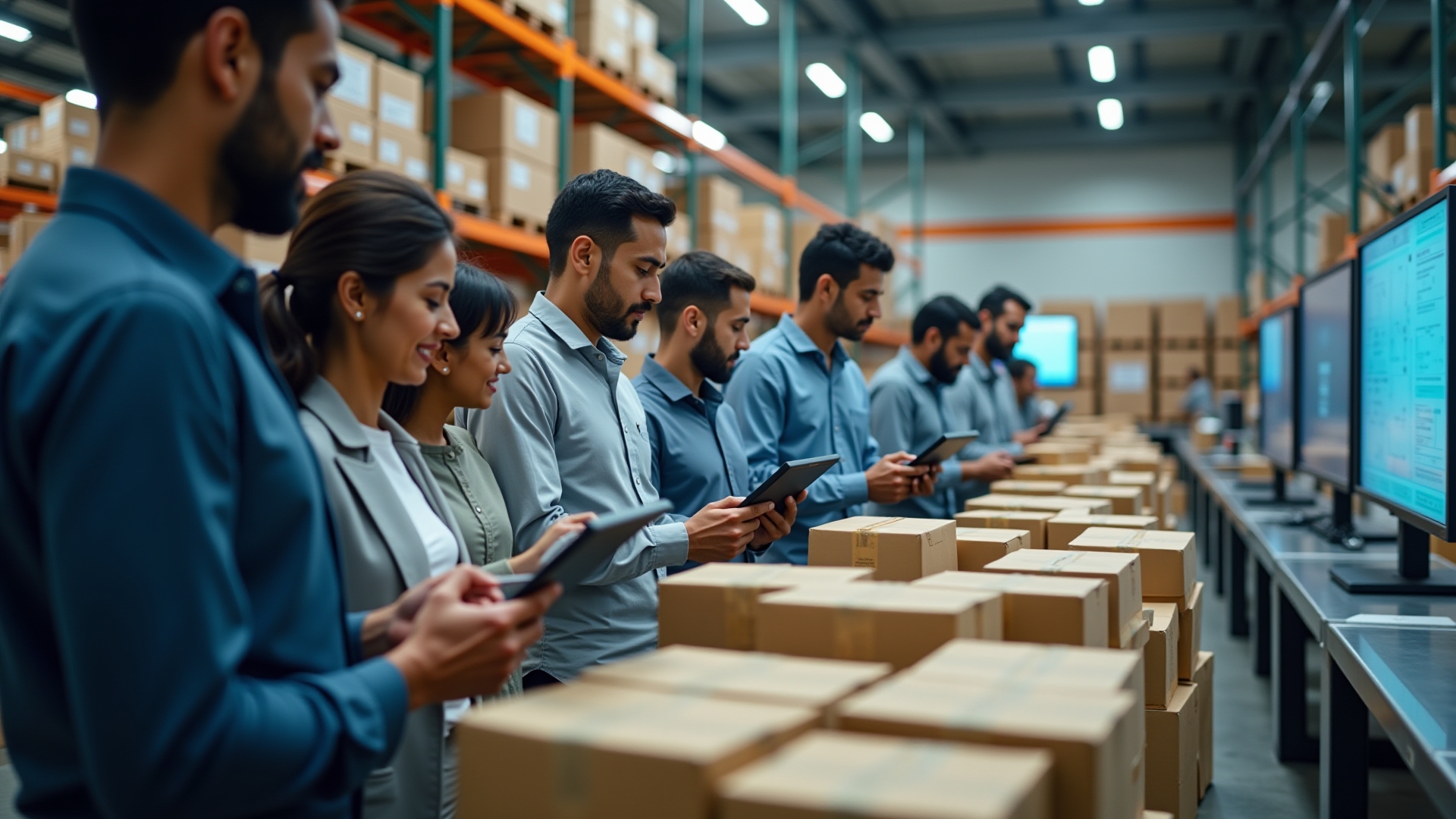
As you steer your e-commerce business through India’s rapidly evolving digital marketplace, understanding the next growth engine is crucial. Logistics startups are no longer just support functions; they are becoming strategic pillars that could redefine how you scale, deliver, and retain customers in this complex ecosystem. Ignoring this shift means missing out on a substantial competitive advantage that optimizes costs, expands market outreach, and enhances customer satisfaction.
Why This Matters to You
Your e-commerce or D2C brand depends on more than just compelling products and digital marketing to win in India’s fragmented market. The real differentiator is your ability to fulfill promises quickly and cost-efficiently. Logistics startups that specialize in last-mile delivery, smart warehousing, and supply chain digitization help you reduce delivery timelines while optimizing operational costs—a necessity as consumer expectations and competitive pressures escalate. As fulfillment becomes a key battleground, leveraging logistics innovation isn’t optional; it’s a strategic imperative driving your growth, profitability, and customer loyalty.
What Is Happening in India’s Logistics Landscape?
India’s diverse geographies and the surge of demand from tier-2 and tier-3 cities are reshaping how commerce happens. Logistics startups are innovating with technology-driven solutions that enable hyper-local deliveries and efficient inventory management. Startups are moving beyond mere transportation, embedding themselves into the broader supply chain with AI-powered route optimization, smart warehousing, and data-driven demand forecasting.
This evolution is critical because traditional logistics models struggle with India’s vast and varied terrain. Startups addressing this challenge open pathways for e-commerce platforms and D2C brands to enter previously untapped markets, building the foundation for sustained market expansion and inclusivity.
Key Business Impacts You Should Monitor
- Enhancing Customer Experience: Timely and reliable deliveries shape customer retention, encouraging repeat purchases and improving lifetime value.
- Improving Unit Economics: Optimal route planning and inventory placement reduce costs and reverse logistics expenses, directly impacting profitability.
- Market Penetration: Logistics enable you to serve smaller cities and rural India, which remain largely underserved but hold significant growth potential.
- Platform Reliability: For marketplace operators, integrating advanced logistics tech translates into smoother operations and stronger consumer trust.
- Policy Synergies: Aligning with government initiatives on regional connectivity and infrastructure investment can accelerate your scalability and compliance.
Strategic Insights for Your Growth Playbook
Logistics startups have moved beyond the role of cost centers to become strategic growth partners. Embracing these partnerships allows you to create more agile and scalable distribution networks. This can underpin quick commerce models where delivery speed and precision are paramount. Consider logistics as a lever not just to cut costs but to elevate your value proposition in the eyes of your customers.
Additionally, logistics innovations give you critical data insights on customer behavior, enabling tailored inventory stocking and personalized service. Such integration of logistics with AI-driven personalization tools can set you apart in a crowded marketplace focused increasingly on experience and convenience.
“In e-commerce, growth matters — but retention is what turns traffic into a business.”
Practical Takeaways for E-Commerce Leaders
- Evaluate partnerships with startups that offer operational agility and tech-enabled solutions tailored to your fulfillment needs.
- Integrate logistics strategy within your broader business goals to optimize margins and customer delivery times.
- Monitor emerging logistics technologies like AI-driven forecasting and robotics-enhanced warehousing to stay ahead.
- Invest in infrastructure and local distribution hubs to tap deeper into tier-2 and tier-3 city markets efficiently.
- Stay aligned with policy changes and government incentives to leverage infrastructure growth at the regional level.
Expert Perspective
“The real edge is not only in selling faster, but in building a brand, a system, and a customer relationship that lasts.”
“When logistics, customer trust, and unit economics align, digital commerce growth becomes far more durable.”
Risks and Challenges to Anticipate
Despite the promising outlook, logistics startups face challenges that could affect your operations if unanticipated. Issues like infrastructure gaps, regulatory complexities, and inconsistent service quality in remote areas remain. Overreliance on nascent logistics models without rigorous due diligence might result in operational disruptions or cost overruns. Moreover, scalability hurdles for startups could impact their ability to support your growth uniformly across regions.
It’s important to balance innovation adoption with risk management by piloting new logistics solutions prudently and establishing contingency frameworks.
What You Should Watch Next
Keep an eye on emerging logistics technologies such as AI-driven supply chain systems, autonomous delivery mechanisms, and blockchain-enabled transparency tools. Additionally, watch how ONDC (Open Network for Digital Commerce) influences logistics openness and interoperability, potentially lowering barriers for startups and operators alike. Government policies enhancing rural infrastructure and last-mile connectivity will also be crucial for logistics-enabled expansion in untapped markets.
Conclusion: Logistics as Your Cornerstone for Sustainable E-Commerce Growth
You are at a critical juncture where integrating logistics startups into your business model is no longer just advantageous but essential. Their increasing role as strategic enablers of faster, cost-effective deliveries will define your ability to win consumer trust, improve unit economics, and expand into new markets. By making logistics innovation part of your core strategy, you position your brand to not only keep pace with India’s e-commerce growth but to lead it.
Remember, success in digital commerce hinges on a seamless end-to-end experience where logistics is the backbone. Adapt your growth roadmap accordingly, and you will unlock new performance and profitability milestones.