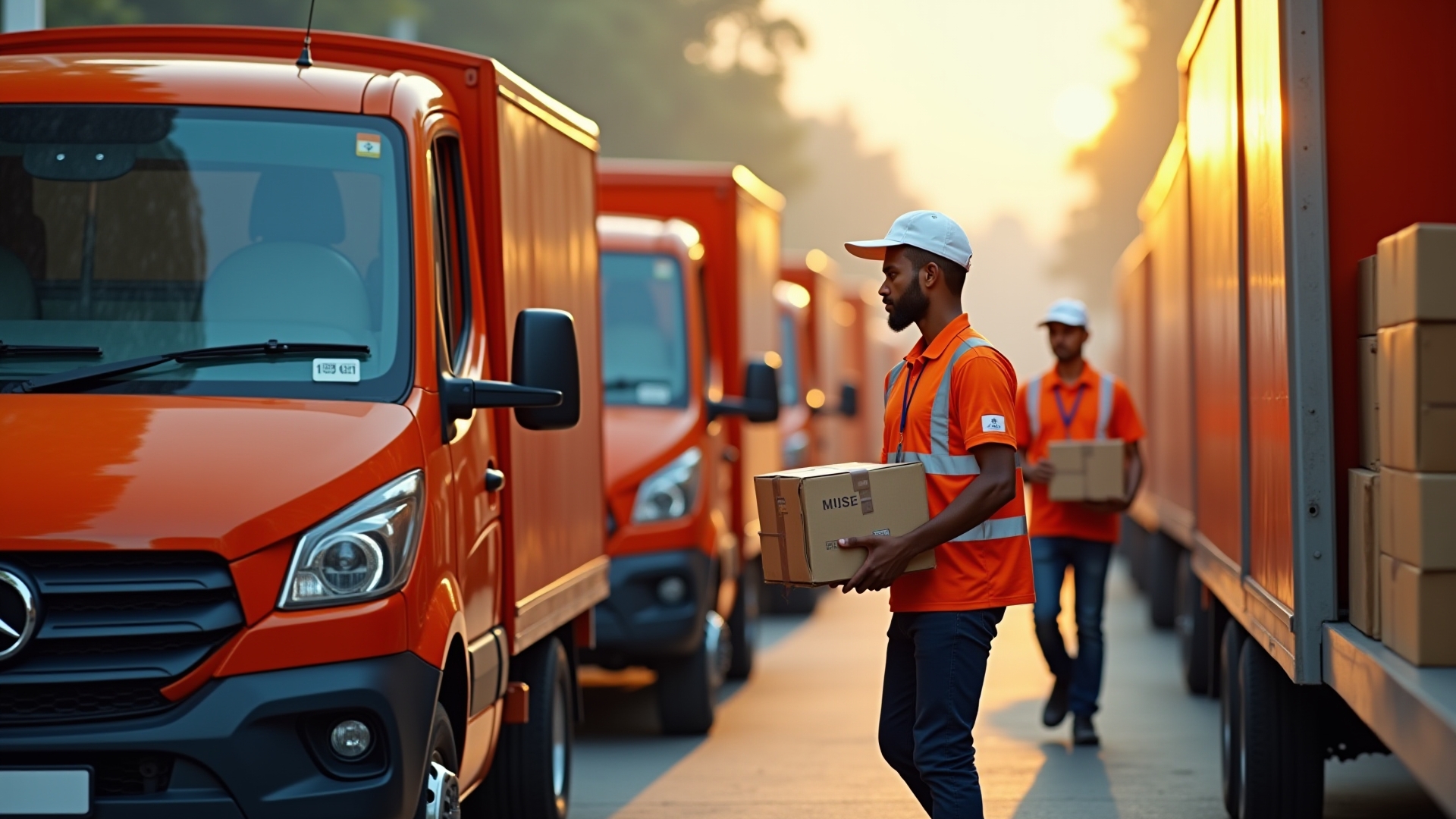
As an e-commerce leader or growth strategist navigating India’s dynamic digital retail landscape, you constantly seek ways to optimize delivery logistics and deepen market reach beyond metros. One logistics innovation quietly transforming your operational playbook is the strategic deployment of mini trucks. Their emergence is more than a logistical tweak; it is reshaping how you scale last-mile fulfillment in tier-2 and tier-3 cities where bulkier transport solutions fall short.
Why Mini Trucks Matter to Your Business Growth
Your e-commerce or D2C brand’s ability to reliably serve smaller cities hinges on overcoming unique distribution challenges. Unlike metros, these markets feature narrower roads, denser traffic pockets, and decentralized demand patterns. Mini trucks address these with unmatched agility and lowered operational costs — helping you accelerate delivery frequency while controlling expenses vital for sustainable unit economics.
With consumer expectations shifting towards ultra-fast delivery through quick commerce models, relying solely on traditional logistics risks losing competitive ground. Mini trucks empower you to meet those expectations by navigating complex urban geographies efficiently, ultimately driving customer retention and repeat purchase metrics.
The Current Landscape: What’s Driving Mini Truck Adoption?
India’s e-commerce growth is no longer confined to metro cities. Tier-2 and tier-3 urban centers are fueling this expansion, but their infrastructural constraints challenge standard freight vehicles. Mini trucks have emerged as a vital solution due to their smaller footprint and nimble maneuverability.
For you, this means transforming logistical elasticity — enabling orders to be fulfilled reliably across ever more intricate delivery corridors. In practical terms, mini trucks help reduce delays, minimize damage risk, and support more frequent delivery slots tailored to hyper-local quick commerce needs.
Strategic Implications for Your E-Commerce Business
Adopting mini trucks impacts your business far beyond last-mile transit. Here’s how:
- Unit Economics Optimization: Lower operational and fuel costs improve contribution margins, pushing profitability higher even when servicing less-dense locations.
- Customer Experience Enhancement: Reliable, faster deliveries reduce cancellations and returns, directly supporting better customer lifetime value.
- Supply Chain Resilience: Mini truck fleets offer scalability and flexibility, key to navigating challenges like urban congestion or sudden surge demands.
- Alignment with Quick Commerce: Smaller vehicles match the cost and logistical demands of delivering hyper-local, rapid deliveries that today’s consumers increasingly demand.
Deeper Insight: The Technology and Sustainability Edge
The mini truck trend is not static—it’s evolving with technology integration and sustainability priorities that will increasingly define your logistics strategy. Real-time tracking and AI-driven routing can optimize fleet deployment, improving delivery times and reducing cost leakages. Embedded fintech solutions streamline payments to drivers, bolstering workforce efficiency and retention.
Simultaneously, pressures to reduce carbon footprints and adhere to regulatory norms push your fleet towards electric mini trucks. This not only aligns your operations with India’s environmental policies but also positions your brand as forward-thinking and responsible—crucial in consumer and investor perception.
Practical Takeaways for Maximizing Mini Truck Logistics
- Focus on integrating mini truck fleets with advanced routing and tracking tech to boost operational efficiency.
- Balance fleet size and deployment to match demand patterns in tier-2 and tier-3 cities for cost-effective scaling.
- Leverage mini trucks to accelerate quick commerce initiatives, capitalizing on the growing expectation for rapid delivery.
- Monitor evolving sustainability regulations and consider early adoption of electric mini trucks to future-proof logistics.
- Collaborate with partners to create resilient fulfillment networks that optimize last-mile delivery economics.
“In e-commerce, growth matters — but retention is what turns traffic into a business.”
“When logistics, customer trust, and unit economics align, digital commerce growth becomes far more durable.”
Risks and Challenges You Should Weigh
While mini trucks offer distinct advantages, operationalizing them at scale also presents challenges. Regulatory inconsistencies across states can complicate fleet deployment. Driver shortage or turnover potentially impacts reliability if workforce management is weak. Infrastructure limitations in extremely remote or ill-served areas may still hinder last-mile delivery.
Additionally, transitioning to electric mini trucks requires upfront investment and developing charging infrastructure—a strategic commitment you need to evaluate against expected long-term gains.
What to Watch Next in Mini Truck-Driven E-Commerce Logistics
Your radar should track developments around:
- Policy initiatives fostering electrification and sustainable logistics.
- Technological innovations in AI routing, vehicle telematics, and embedded digital payments.
- Evolving consumer quick commerce expectations influencing delivery speed and frequency.
- Collaborations or partnerships aimed at building open commerce networks integrating mini truck fleets efficiently.
Conclusion: Making Mini Trucks a Cornerstone of Your Growth Strategy
Your e-commerce business cannot afford to overlook the strategic role that mini trucks play in navigating India’s sprawling and varied market geography. These vehicles are more than just transport; they are a critical asset enabling faster, more reliable, and cost-efficient deliveries—key levers for enhancing customer lifetime value and scaling sustainably.
Investing in and optimizing mini truck logistics is not just a tactical move—it signals your commitment to operational excellence and innovation. This approach positions you to capture the full spectrum of India’s e-commerce opportunity, penetrating deeper into smaller cities and powering quick commerce growth with precision and agility.
Mini trucks in e-commerce logistics are thus a vital piece of your competitive advantage in a landscape where delivery speed, reliability, and customer experience define success.