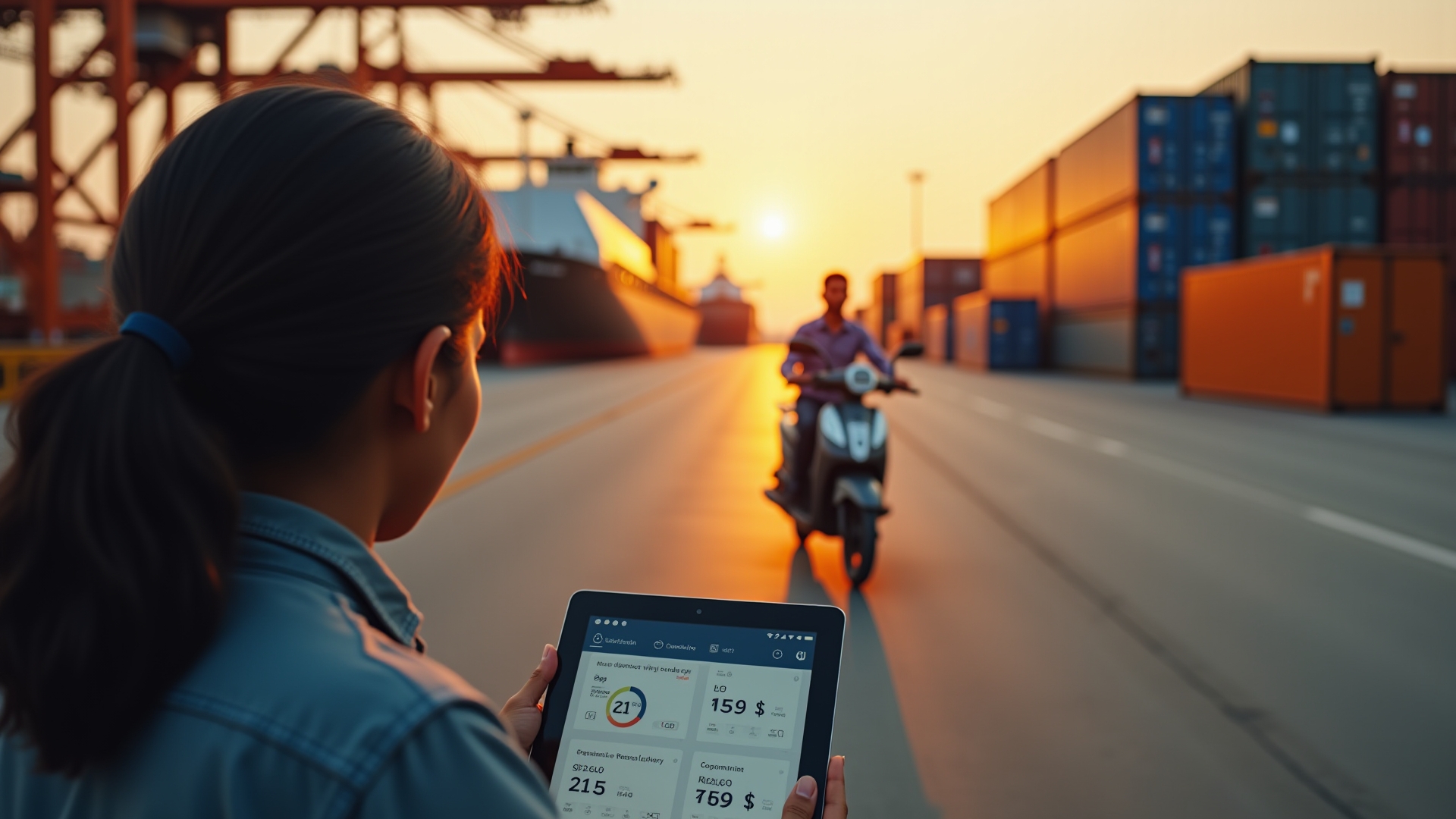
As an e-commerce leader, you understand that your business thrives on seamless logistics, competitive pricing, and a consistent customer experience. But have you considered how geopolitical moves, like the recent US blockade of Iranian ports, could ripple through your operations, impacting costs and growth prospects quietly but significantly? This development matters deeply because it affects one of your fundamental inputs — energy supply — which underpins every link in your fulfillment chain, from last-mile delivery to warehouse operations.
Why This Matters to You
Your e-commerce and digital retail ecosystem is more intertwined with global energy markets than you might expect. The blockade restricts Iranian oil exports, limiting affordable energy sources and pushing up crude oil and LPG prices in India. For you, this means higher fuel costs that will inevitably translate into increased logistics and operational expenses, straining your unit economics and forcing reevaluation of pricing and growth strategies.
Energy costs are not just a background macroeconomic factor; they influence your customer acquisition tactics, fulfillment economics, and even your choice of delivery models. If overlooked, these upstream pressures risk eroding your margins and undercutting the competitive edge your brand has painstakingly built.
What Is Happening?
The US blockade on Iranian ports aims to curb Tehran’s oil exports, tightening global supply. India, heavily reliant on imported crude and LPG, finds itself caught between this international policy maneuver and domestic energy demand. Reduced access to Iranian oil — historically a key cheap source — shrinks your energy sourcing options, triggering price hikes that can silently cascade into the online retail ecosystem.
The surge in oil and LPG prices is poised to impact transportation fuels crucial to e-commerce logistics. Whether it’s powering your delivery fleets or maintaining temperature-controlled inventory through cold-chain logistics, the rise in fuel costs marks a structural challenge to profitability and price competitiveness.
Key Impact Areas on Your E-Commerce Business
Logistics and Fulfillment Costs
Last-mile delivery, already one of your costliest operations, faces upward pressure. Given India’s geographic diversity, fuel price inflation magnifies the expense of covering tier-2 and tier-3 cities crucial for growth. You must anticipate margin compression unless you can innovate in vehicle efficiency, explore electric fleets, or redesign fulfillment networks closer to end consumers.
Customer Acquisition and Retention
Your customers are price-sensitive and delivery-speed conscious. Escalating costs could force you to temper aggressive discounting and reconsider free-shipping offers. This, in turn, could impact demand elasticity, particularly in emerging markets where price sensitivity is highest. Maintaining engagement without eroding margins requires thoughtful recalibration.
Policy and Industry Context
This blockade spotlights broader policy debates around India’s energy security, urging a shift towards import diversification and sustainability. Your strategic planning must align with this trajectory, anticipating incentives for renewable energy adoption within your logistics footprint and technological innovations that boost operational efficiency.
Strategic Insights for Sustained Growth
When you view these developments through the prism of long-term competitiveness, several strategic priorities emerge:
- Invest in logistics innovation. Accelerate adoption of electric vehicles and route optimization powered by AI to contain costs.
- Reassess pricing models. Balance increased costs with strategic discounting that drives volume without sacrificing margin.
- Enhance supply chain resilience. Diversify energy sources and push for greater energy efficiency, including cold-chain advancements.
- Engage policymakers. Collaborate on energy policy incentives that support the e-commerce and retail sectors.
“In e-commerce, growth matters — but retention is what turns traffic into a business.”
“The real edge is not only in selling faster, but in building a brand, a system, and a customer relationship that lasts.”
Recognizing these upstream dynamics allows you to secure a competitive advantage by being proactive rather than reactive. Incorporating energy cost variables into your forecasts and operational strategies will help safeguard your contribution margins.
Practical Takeaways
- Monitor international crude oil and LPG price trends closely as part of your market intelligence.
- Prioritize investment in energy-efficient logistics technology to shield fulfillment economics.
- Test hyperlocal quick commerce models to reduce last-mile delivery distances.
- Rethink customer engagement strategies to accommodate potential upward price pressure without losing loyalty.
- Advocate within industry forums for policies that diversify India’s energy imports and support sustainable commerce.
Risks and Challenges to Navigate
While adapting to these new cost pressures, be mindful of the risks. Overpassing costs to consumers abruptly can dampen demand, and underinvesting in logistics innovation may erode your market position. Balancing cost controls with growth imperatives demands disciplined strategic decision-making.
Furthermore, geopolitical tensions remain unpredictable, so you must embed flexibility and scenario planning in your operations to navigate potential supply shocks.
What You Should Watch Next
Keep an eye on:
- New energy policy announcements and incentives that affect logistics and retail energy consumption.
- Evolution in electric vehicle infrastructure and its adoption in last-mile delivery.
- Competitive responses, especially pricing adjustments and supply chain innovations within the e-commerce sector.
- Global geopolitical developments that could further tighten or ease energy supply constraints.
Conclusion
The US blockade of Iranian ports impact on India e-commerce is a potent reminder of how global geopolitical shifts intimately influence your digital commerce landscape. By understanding these upstream risks, you empower yourself to make better strategic decisions — investing in logistics innovation, optimizing costs, and refining customer retention strategies. Such proactive measures will be key to sustaining your growth and profitability in an increasingly complex energy environment.
“When logistics, customer trust, and unit economics align, digital commerce growth becomes far more durable.”