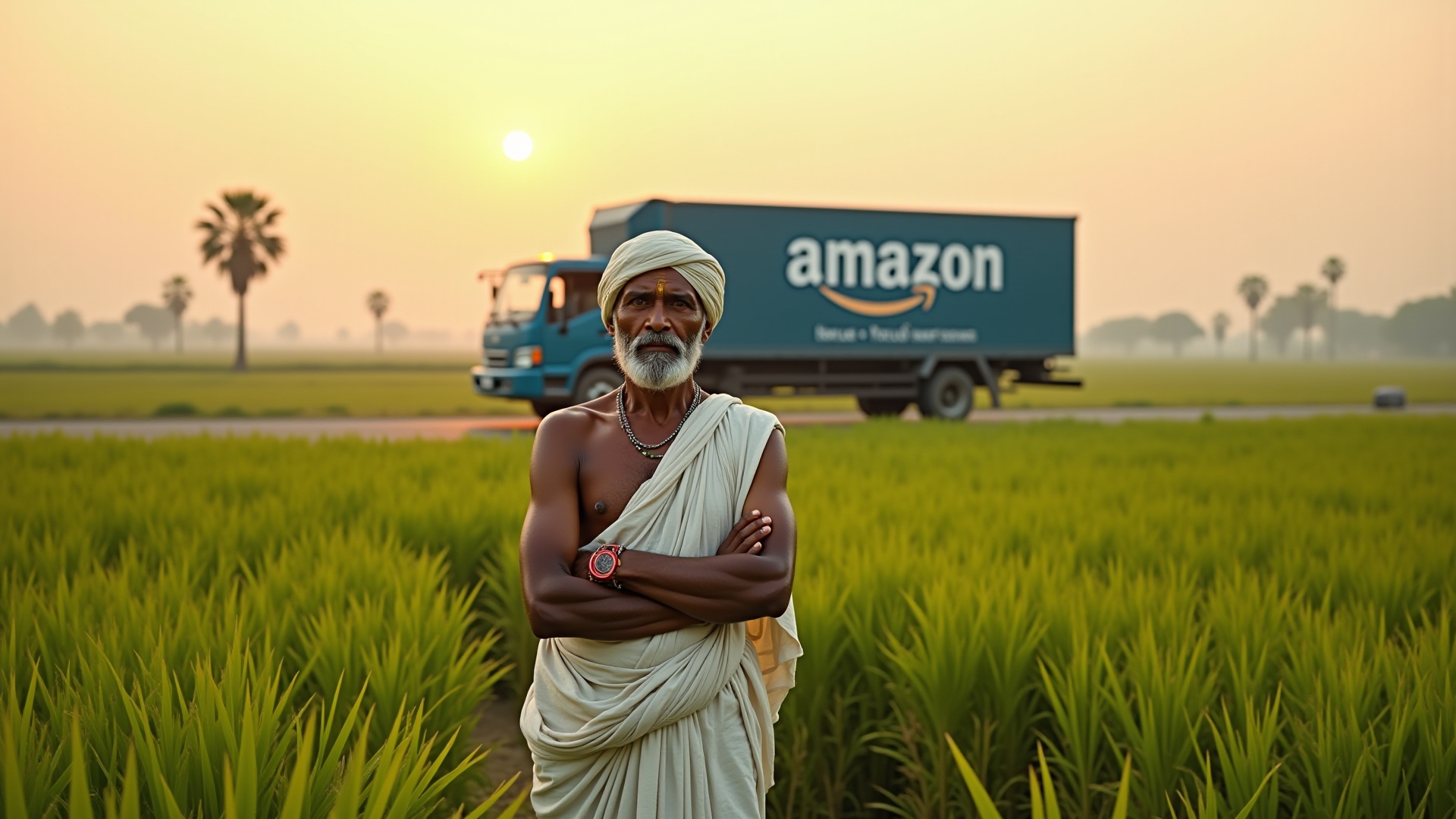
The recent announcement that Amazon has signed a $30 million carbon credit agreement with Indian rice farmers signals a transformative moment for digital commerce, one that extends far beyond traditional e-commerce frameworks. As you steer your brand or marketplace through a rapidly evolving landscape, understanding this development is critical—it offers a window into how sustainability is fast becoming a differentiator and strategic lever for e-commerce leadership in India and beyond.
Why This Matters to You
In an environment where consumer expectations, regulatory demands, and investor criteria are converging on sustainability, Amazon’s commitment to purchasing verified carbon credits from Indian farmers reshapes your business lens on growth. This move isn’t just about environmental stewardship—it fundamentally influences your brand positioning, supply chain strategy, and operational model. It’s a clarion call for you to rethink how digital retail integrates sustainability into its core business DNA, knowing this alignment can fuel customer loyalty, reduce regulatory risk, and unlock new value in your supply partnerships.
What Is Happening?
Amazon recently sealed a $30 million deal with rice farmers in India to purchase carbon credits created through sustainable agricultural practices. These credits represent verifiable reductions in carbon emissions tied to innovative farming methods that lower the environmental footprint of rice cultivation. This strategic collaboration ties Amazon directly to rural supply chains, embedding environmental responsibility in the upstream segments of its digital retail ecosystem.
Strategic Dimensions Impacting E-Commerce and Digital Retail
- Supply Chain Sustainability and Brand Differentiation: Integrating carbon credit purchases into your supply chain strategy offers a compelling narrative for environment-conscious consumers and partners. It can enhance brand reputation, amplifying trust that drives both customer acquisition and retention.
- Greater Rural Sourcing and Ecosystem Integration: By engaging directly with Indian rice farmers, you open pathways for deeper rural supply sourcing that can expand product assortments with sustainable, authentic offerings—vital to today’s discerning urban consumers.
- Last-Mile Logistics and Fulfillment Innovation: Sustainable farming reduces carbon emissions upstream, encouraging a full-circle rethink of logistics that prioritizes greener delivery, smarter packaging, and optimized fulfillment models aligned with environmental benchmarks.
- Regulatory Compliance and Policy Leadership: Your e-commerce operations face mounting regulatory scrutiny on sustainability. Amazon’s proactive stance positions it advantageously in shaping policies linked to carbon markets, environmental standards, and initiatives like India’s Open Network for Digital Commerce (ONDC).
- Market Signals and Investment Confidence: This deal serves as a signal to investors increasingly focused on Environmental, Social, and Governance (ESG) factors. Demonstrating sustainability embedded in unit economics and business models can safeguard your company’s long-term financial health.
Deeper Strategic Insights
Amazon’s carbon credit deal represents a paradigm shift, highlighting how leading e-commerce platforms are evolving to embed sustainability as a fundamental value-driver. This isn’t a peripheral initiative; it’s a complex strategy intertwining supply chain innovation, brand stewardship, and policy navigation. You should consider how these elements can fortify your competitive edge in India’s hyper-competitive digital retail market.
“In e-commerce, growth matters — but retention is what turns traffic into a business.”
Embedding sustainability in your upstream supply chain translates into trust and relevance, crucial for converting first-time buyers into loyal customers. Amazon’s approach reinforces that environmental impact isn’t just a compliance cost, but a brand and marketplace asset.
“The real edge is not only in selling faster, but in building a brand, a system, and a customer relationship that lasts.”
Moreover, your logistics and fulfillment frameworks must evolve to support these green credentials, adapting last-mile delivery and packaging choices that resonate with consumers’ sustainability demands.
Practical Takeaways for Leaders and Founders
- Understand the rising importance of carbon credit engagement as both a sustainability measure and a brand differentiator.
- Monitor regulatory shifts concerning environmental accountability and carbon markets influencing e-commerce operations.
- Evaluate supply chain models to incorporate rural partnerships focused on verified sustainable practices.
- Innovate logistics and packaging towards greener solutions aligned with carbon footprint reduction goals.
- Communicate your sustainability efforts transparently to attract ESG-conscious investors and customers.
Risks and Considerations
While integrating carbon credit programs offers promising advantages, you should be aware of potential challenges such as verification complexities, cost implications, and the need for robust monitoring frameworks. Ensuing regulatory standards on carbon accounting can evolve rapidly, requiring agility and investment in compliance capabilities. Additionally, transparency and authenticity in sustainability claims are paramount to avoid reputational risks.
What You Should Watch Next
Keep a close eye on how other e-commerce players and D2C brands in India respond to this trend. Will carbon credit integration become a standard prerequisite for supply chain partnerships? How will ONDC and related policy frameworks shape carbon trading and open commerce landscapes? Your competitive positioning may well depend on early adoption and innovation along these lines, impacting long-term profitability and market share.
Conclusion
Amazon’s $30 million carbon credit deal with Indian rice farmers marks a strategic inflection point for e-commerce leadership in India. By embedding sustainability deeply into supply chain operations and aligning with national climate goals, Amazon sets a precedent worth emulating. As you navigate your digital retail journey, framing sustainability not only as an environmental imperative but as a cornerstone of growth, differentiation, and resilience can position you for enduring success. This development underscores the urgency of integrating environmental responsibility with your business strategy—because the future of e-commerce depends on it.
“When logistics, customer trust, and unit economics align, digital commerce growth becomes far more durable.”