As a leader shaping the digital commerce space, you understand that innovation today isn’t just about speed or volume — it’s about building resilience and relevance into your business model. Flipkart’s recent expansion of its circular economy initiative into the fashion segment commands your attention because it exemplifies a powerful strategic shift in India’s e-commerce landscape. This move isn’t just a sustainability gesture; it’s a tangible blueprint for how you can integrate environmental responsibility with a competitive edge in a fiercely contested marketplace.
Why This Matters to You
In a sector where rapid inventory turnover, high return rates, and thin margins define the playing field, Flipkart’s circular economy push redefines how digital retail platforms like yours can approach growth. You are likely grappling with growing consumer demand for sustainable options, increasing regulatory pressures on environmental practices, and the imperative to sustain profitability. Flipkart’s example shows a practical path of embedding circularity not just as a compliance checkbox but as a driver of customer loyalty, operational efficiency, and brand differentiation—critical pillars for your long-term success.
What Is Happening?
Flipkart is embracing circular economy principles—resale, recycling, and refurbishment—to revamp its fashion category. Fashion e-commerce is notorious for fast inventory cycles and elevated return rates, which creates significant waste and margin pressure. By integrating circular solutions, Flipkart is addressing these inherent challenges through an innovative lifecycle approach to products, extending usability, reducing resource consumption, and opening new revenue streams from refurbished and pre-owned fashion lines.
Strategic and Market Implications
This initiative transforms fashion e-commerce from a traditional sales-driven model into a sustainability-led competitive strategy. For marketplace operators and D2C brands, the move signals a necessary evolution: sustainability must become part of your unit economics, not merely a marketing add-on or regulatory compliance effort. By adopting circular models, you can optimize inventory costs, minimize waste-related expenditure, and boost contribution margins through refurbished and secondary-market products.
From a marketplace strategy perspective, Flipkart is showcasing how offering sustainable shopping options creates a significant differentiation edge in India’s saturated online fashion market. Urban consumers, increasingly eco-conscious and value-driven, respond favorably to brands and platforms aligning with their values, fostering higher engagement and repeat purchase potential.
Impact on Logistics and Fulfillment
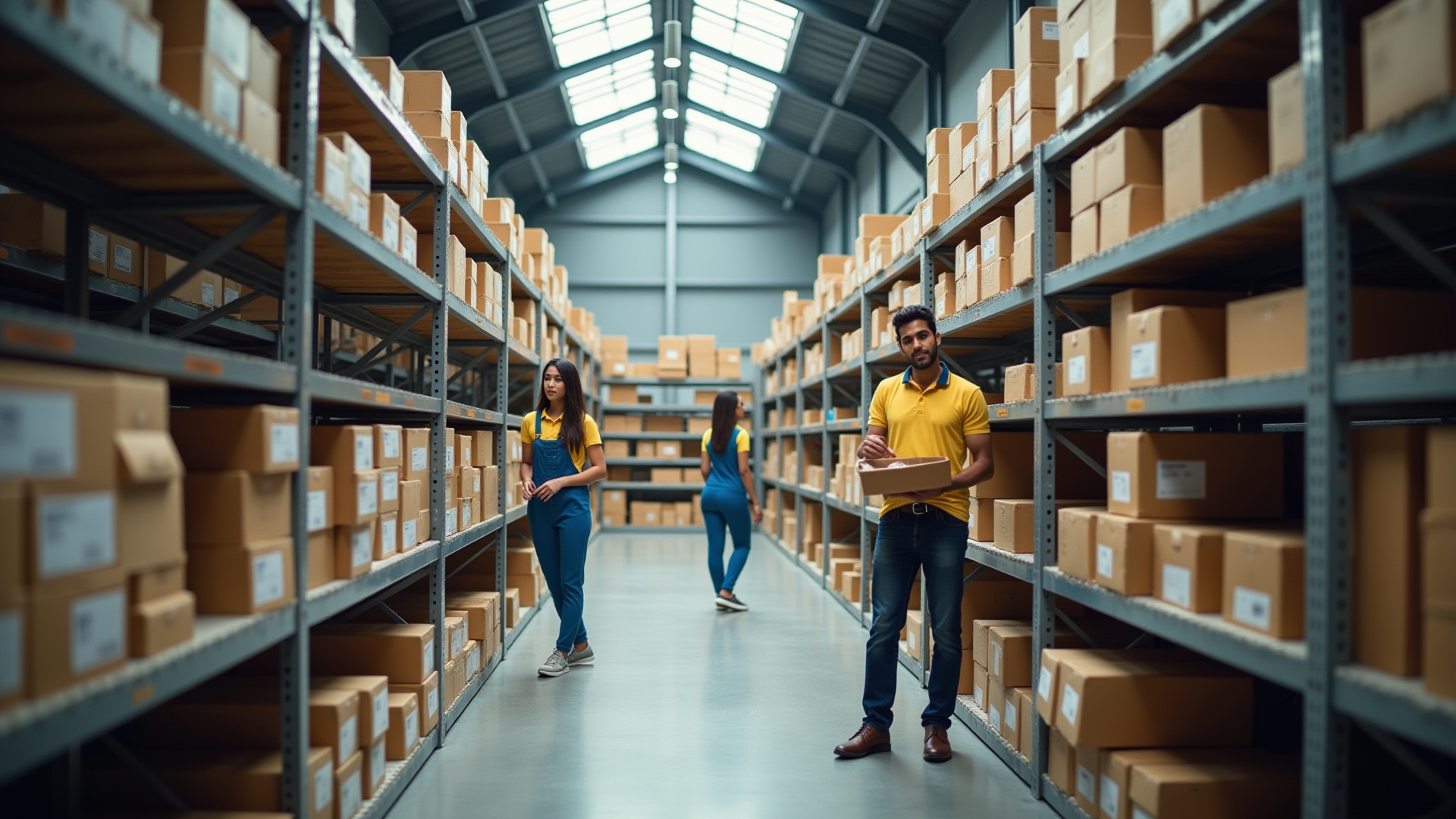
To execute circular fashion at scale, you need to rethink your logistics and fulfillment architecture. This means enhancing reverse logistics capabilities to handle returns and refurbished goods, investing in sophisticated warehousing and quality-control operations, and deploying integrated technology solutions that precisely track product conditions and lifecycle stages. These investments are not trivial but represent strategic assets in improving customer retention rates and boosting margins.
Regulatory and Investor Considerations
Flipkart’s circular fashion push aligns closely with emerging policy frameworks promoting sustainable commerce practices, positioning the company—and by extension, your business—to preempt regulatory risks and capitalize on incentives. For investors, this shift signals a matured, risk-aware approach by digital commerce players who are prioritizing compliance alongside market expansion and margin improvement.
“In e-commerce, growth matters — but retention is what turns traffic into a business.”
“The real edge is not only in selling faster, but in building a brand, a system, and a customer relationship that lasts.”
Practical Takeaways for E-Commerce Leaders
- Embed sustainability in your core strategy: Move beyond greenwashing to make circular economy principles central to your category management and growth plans.
- Invest in reverse logistics: Build infrastructure and technology to handle returns, refurbishment, and resale efficiently.
- Revisit unit economics: Leverage circular models to reduce costs, unlock new revenue streams, and improve profitability.
- Align with consumer values: Integrate eco-conscious options in your assortment strategy to drive deeper customer engagement and loyalty.
- Prepare for regulatory shifts: Stay ahead of environmental compliance requirements with proactive operational changes.
Strategic Insight
Flipkart’s move is a wake-up call for India’s e-commerce ecosystem: sustainability is no longer a peripheral concern but a pillar of competitive advantage. As digital commerce markets mature, your ability to blend rapid expansion with responsible resource use and customer-centric innovation will determine market leadership. Embracing circular fashion is a sophisticated response that touches every business layer—from marketplace differentiation and D2C brand growth to logistics innovation and regulatory navigation.
“When logistics, customer trust, and unit economics align, digital commerce growth becomes far more durable.”
Risks and Challenges
Despite its promise, circular economy adoption is not without hurdles. Implementing effective reverse logistics can be complex and costly, requiring integrated IT systems and supplier coordination. Quality assurance for refurbished products demands rigorous standards to maintain customer trust. Moreover, consumer education around circular products may require significant marketing investments to overcome skepticism about value and quality.
What You Should Watch Next
Keep a close eye on how other major platforms and D2C brands in India adopt circular economy initiatives. Monitor evolving government policies incentivizing or mandating sustainable retail practices. Track consumer sentiment shifts towards eco-conscious shopping behaviors and their impact on sales and retention. Finally, watch technological advancements in logistics and inventory management that enable scalable circular commerce models.
Conclusion
Flipkart’s circular economy fashion initiative is a strategic milestone signaling the future path for India’s e-commerce landscape. This move underscores how integrating sustainability into growth strategies can align profitability, regulatory compliance, and market differentiation—key imperatives for you navigating the complexities of digital retail today. As your customers become more ethically aware, adapting your business to include circular commerce approaches will be essential to retaining their loyalty and securing long-term competitive advantage.