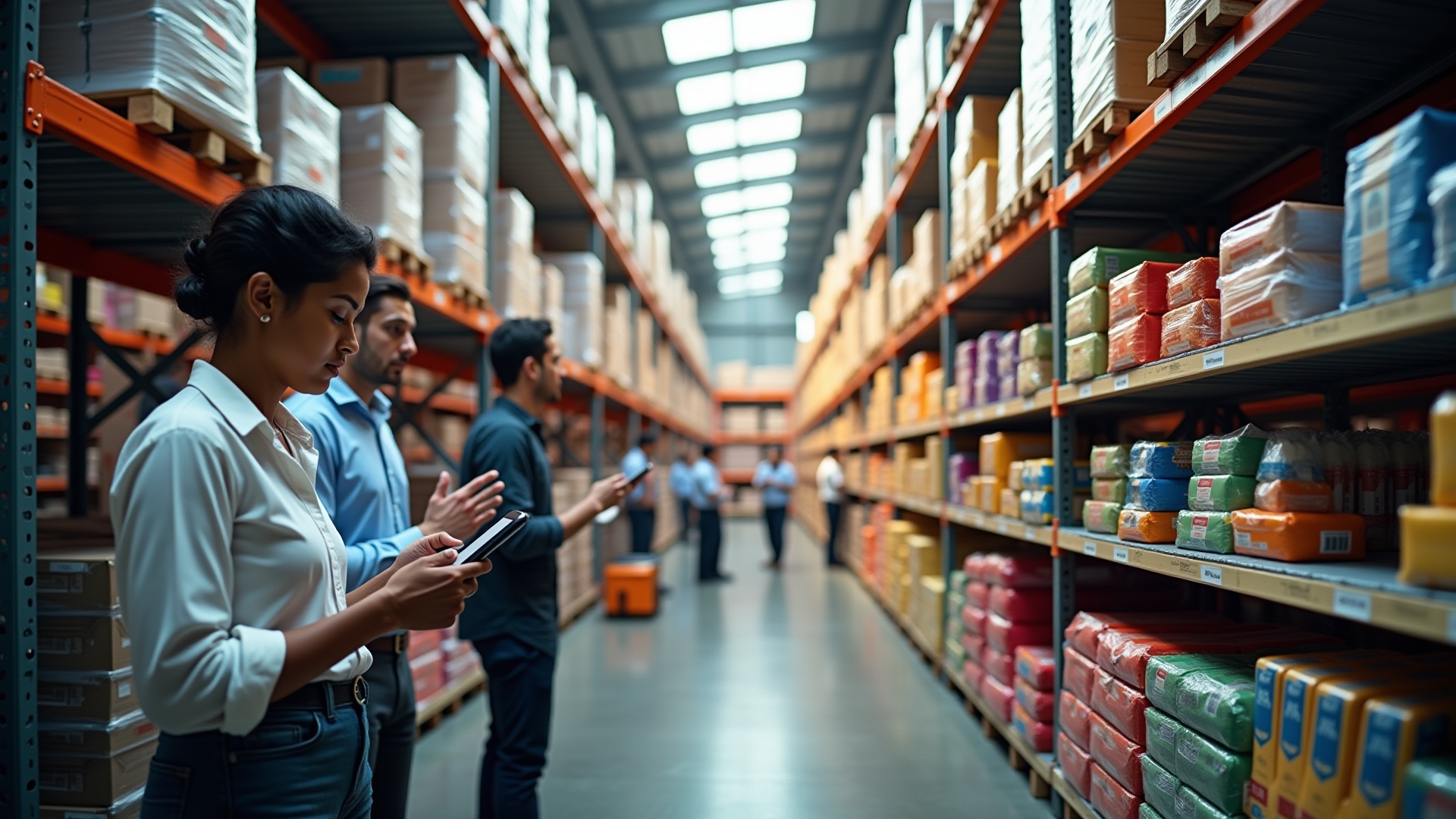
Understanding the surge of e-commerce in India’s fast-moving consumer goods (FMCG) market is not just a trend observation—it’s a strategic imperative for you. As a leader entrenched in e-commerce, digital retail, or the D2C space, recognizing how FMCG volume growth is increasingly propelled by online platforms informs your growth engine, customer engagement tactics, and long-term business model resilience.
Why This Matters to You
Whether you run a marketplace, a digital-first FMCG brand, or a quick-commerce delivery service, the rising volume of FMCG sales through e-commerce channels is reshaping your competitive landscape and operational demands. Your customer acquisition and retention strategies must evolve beyond traditional retail paradigms to fit a digitally native consumer base that values convenience, speed, and personalized experiences. Ignoring this pivot risks losing out on expanding consumer segments across India’s tier-2 and tier-3 cities.
The Digital FMCG Revolution: What Is Happening?
According to NielsenIQ’s latest insights, e-commerce is not merely transferring FMCG sales from offline to online channels. Instead, it’s driving a robust volume expansion far deeper into India’s hinterlands than before. This growth hinges on several ecosystem improvements: broader platform reach, more seamless payment systems, and critically, enhanced logistics that guarantee faster availability of daily essentials.
The spreading footprint is fueling a consumer behavior shift where digital platforms become primary touchpoints for FMCG purchases, encouraging higher order frequency and expanding product assortment preferences. It’s a move from occasional experimentation to habitual digital buying.
Strategic Business Impact: What This Means for You
From your vantage point as an e-commerce or FMCG leader, this trend presents both opportunities and complexities:
- Expanded Market Reach: The penetration of e-commerce into smaller cities means you must rethink geographic strategies and tailor assortments to meet regional preferences.
- Customer Retention Through Data: Digital platforms generate invaluable customer data, enabling AI-driven personalization, dynamic pricing, and precision-targeted promotions to maximize contribution margins in a fiercely competitive FMCG online market.
- Last-Mile Fulfillment as a Differentiator: Quick commerce players must invest heavily in tech-enabled logistics to meet consumer expectations for availability and delivery speed, factors crucial for repeat purchase behavior.
- Unit Economics Optimization: Balancing the cost of rapid fulfillment with superior customer experience through tech integration becomes key to maintaining profitability and scalability.
“The real edge is not only in selling faster, but in building a brand, a system, and a customer relationship that lasts.”
Deep Dive: Implications for Marketplaces and Quick Commerce
Marketplaces are recalibrating their assortment and supply chain frameworks to align with rising FMCG volumes. Your approach to inventory management, embedded payment solutions, and real-time demand forecasting will define your ability to capture and sustain market share.
Meanwhile, quick commerce outfits are reengineering delivery models and technology stacks to handle the volume and speed expectations intrinsic to FMCG. Success here isn’t just operational—it’s predictive and analytic, requiring strong investments in AI and machine learning tools.
Practical Takeaways for Digital Retail Leaders
- Invest in robust data analytics capabilities and AI to refine personalization and dynamic pricing.
- Develop flexible supply chains focused on tier-2 and tier-3 city dynamics and last-mile fulfillment innovations.
- Leverage payment technologies for frictionless checkouts that enhance customer conversion and repeat purchase rates.
- Align with open commerce initiatives like ONDC to expand reach and tap into emerging consumer bases.
- Continuously monitor unit economics to balance growth with profitability.
“When logistics, customer trust, and unit economics align, digital commerce growth becomes far more durable.”
Risks and Challenges to Navigate
While the momentum is promising, rapid FMCG volume growth via e-commerce brings challenges you cannot overlook:
- Supply Chain Fragility: Expanding rapidly into less developed regions can expose logistics vulnerabilities.
- Intense Competition: With many players investing heavily, margin pressures may mount.
- Customer Expectations: Meeting high delivery and availability standards consistently is operationally demanding.
- Regulatory Shifts: Navigating evolving policy frameworks around online commerce and open networks requires agility.
What You Should Watch Next
Keep a close eye on advancements in AI-led merchandising and demand forecasting technologies that can increase responsiveness and efficiency. Watch the evolution of policy frameworks under ONDC and similar open commerce models which may democratize market access further. Lastly, monitor consumer behavior analytics that spotlight changing preferences or emerging demand pockets within India’s expanding digital FMCG ecosystem.
Conclusion
The interplay between e-commerce and FMCG volume growth in India signals a paradigm shift you must strategically embrace. This growth is redefining customer relationships, operational imperatives, and competitive strategy. By investing in personalized digital consumer experiences, agile supply chains, and technology-driven fulfillment excellence, you can position your business to not just participate but lead in this transformative phase of India’s digital retail landscape.
Remember: e-commerce FMCG volume growth in India is not simply a growth metric—it’s a strategic vector reshaping how you attract, serve, and retain customers. Those who grasp its nuances will unlock durable competitive advantages in one of the world’s most dynamic consumer markets.