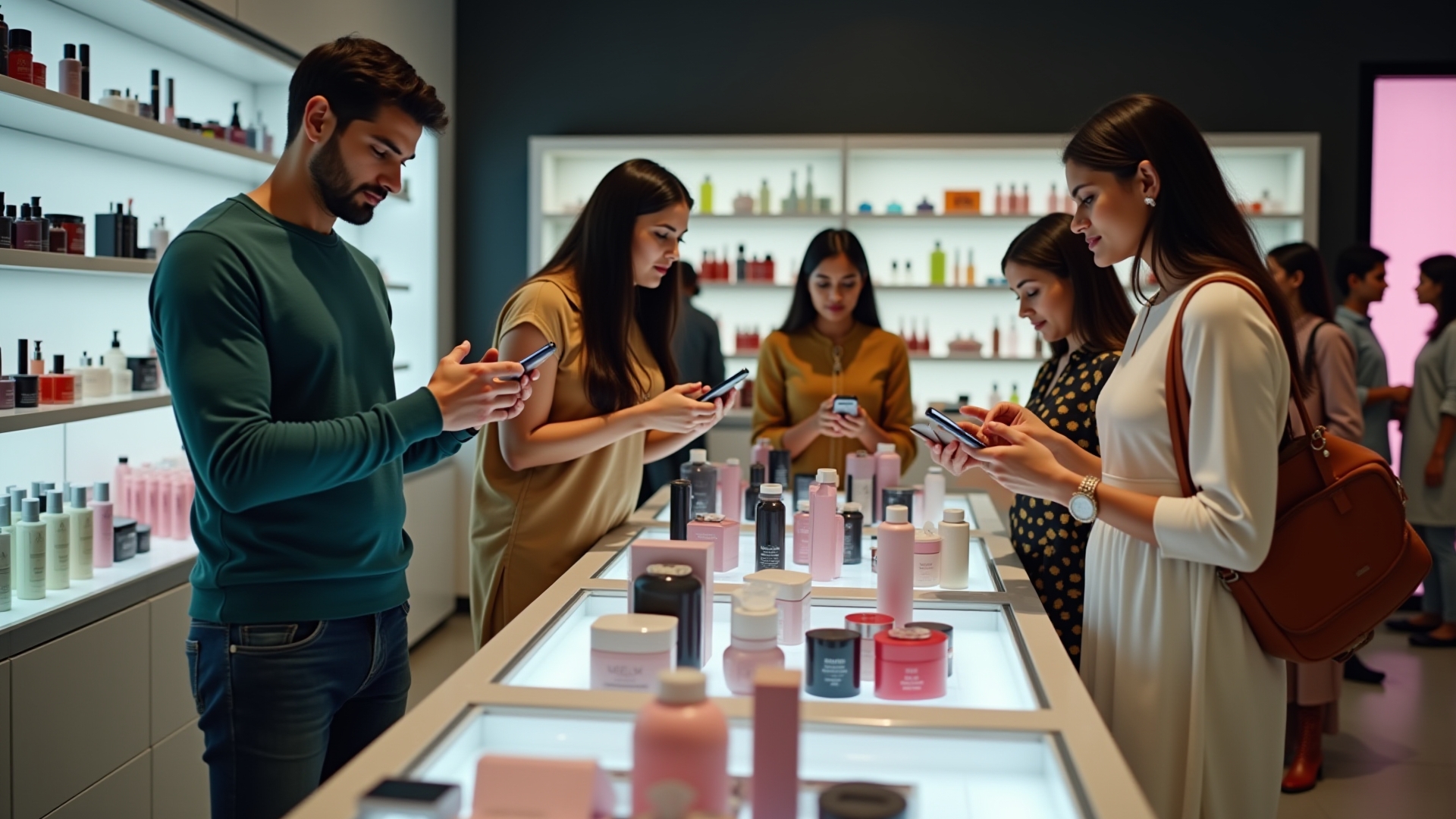
As an e-commerce leader or D2C brand operator in India’s beauty sector, you must pay close attention to a compelling trend reshaping consumer shopping patterns. Indian beauty shoppers increasingly engage with online platforms—scrolling through product pages, reviews, and comparisons—yet they often finalize purchases offline. This hybrid behavior presents both challenges and strategic opportunities for your business model, customer acquisition strategies, and digital retail investments.
Why This Matters to You
Understanding why your potential customers browse extensively online but prefer the tactile, in-person experience for actual purchases is crucial. It impacts your acquisition funnel, marketing allocations, and omnichannel strategy. Ignoring this nuance risks inefficient spending and missed engagement, while recognizing it allows you to align your sales channels to support both discovery and conversion effectively. For you, this insight could mean recalibrating how you deploy technology, optimize logistics, and maintain brand trust in a highly competitive and rapidly evolving market segment.
What Is Happening in Indian Beauty Commerce
Smartphone penetration and digital literacy are surging beyond metropolitan hubs into tier-2 and tier-3 cities, stimulating online browsing among beauty consumers who rely on digital platforms for product research and peer reviews. Yet, despite this immersive browsing, their ultimate purchase choice frequently happens offline due to key factors like the desire for physical product trials, trust-building through face-to-face consultations, logistical reliability, and preferences in payment modes.
The Business and E-Commerce Context
- Product Experience and Trust: Beauty products require a sensory engagement—texture, fragrance, fit—that online mediums struggle to fully replicate, pushing consumers to sample products physically.
- Logistics and Fulfillment Challenges: Last-mile delivery delays and complicated return or exchange policies reduce online transaction confidence.
- Payment Preferences: Despite growth in digital payments, certain customer segments still gravitate toward cash or offline methods, affecting your checkout conversion.
- Personalized Brand Engagement: Offline stores often offer tailored consultations and expert advice that digital touchpoints have yet to match in effectiveness.
Strategic Insights and Impacts for Your Business
These hybrid shopping dynamics underline the indispensability of omnichannel strategies that do not treat online and offline as rivals but as complementary pillars. For you, this means crafting smooth customer journeys where online browsing naturally leads to offline purchase, or conversely, an online transaction is supported by offline experience options.
- Omnichannel Integration: Building a seamless interface connecting your digital platforms with physical retail could turbo-charge customer acquisition and boost repeat business by integrating inventory, loyalty, and campaigns.
- Leveraging Digital Innovations for Offline Sales: Tools like AI-powered personalization, virtual try-ons, and guided discovery can enrich your online engagement and prepare buyers for offline purchases.
- Streamlining Fulfillment: Reducing last-mile friction via better logistics partnerships or quick commerce models can progressively tilt behaviors toward online completion, enhancing your unit economics.
- Innovating Payment Methods: Embedding flexible, secure, and diverse payment solutions at early online touchpoints can address friction, raising conversion rates.
The Role of Marketplaces and Quick Commerce
Marketplaces serve a critical function by aggregating brands and fostering trust through rich content, reviews, and comparative features. Meanwhile, quick commerce ventures—emphasizing ultra-fast delivery—are poised to alleviate immediacy concerns traditionally favoring offline purchase, potentially reshaping the future landscape of India’s beauty retail.
“When logistics, customer trust, and unit economics align, digital commerce growth becomes far more durable.”
Practical Takeaways: What You Should Do Next
- Understand Consumer Nuance: Dive deeper into your customer data to identify segments likely to follow hybrid shopping paths, and tailor marketing to guide them fluidly between online and offline.
- Invest in Seamless Omnichannel Experiences: Ensure online discovery complements offline shopping with unified inventory visibility, integrated loyalty programs, and consistent brand messaging.
- Enhance Digital Tools Supporting Offline Purchase: Explore AI-driven product recommendations and virtual try-before-you-buy technologies to boost online engagement without displacing physical touchpoints.
- Refine Fulfillment and Delivery: Optimize your logistics to reduce delivery times and simplify returns, making online purchase more tempting for beauty consumers who value immediacy.
- Implement Flexible Payment Options: Appeal to broader demographics by embedding versatile payment methods early in the purchase funnel.
Risks and Challenges You Should Monitor
Balancing the digital-physical interplay requires heavy investment and complex coordination. Risks include over-investing in digital tools without matching offline infrastructure, underestimating cultural payment preferences, and failing to manage unit economics impacted by hybrid customer journeys. You must carefully evaluate how each channel’s cost and revenue align with your broader profitability goals.
“The real edge is not only in selling faster, but in building a brand, a system, and a customer relationship that lasts.”
What to Watch Next
Keep your focus on innovations in quick commerce that promise faster delivery, marketplace strategies that deepen buyer education, and payment innovations that further reduce friction. Additionally, monitor policy changes around open-network commerce (ONDC) initiatives which may lower entry barriers and promote interoperability between online and offline touchpoints.
Conclusion
For the rapidly evolving Indian beauty segment, the phenomenon of beauty shoppers scrolling extensively online but buying offline captures the complex coexistence of digital and physical commerce. As an e-commerce or D2C leader, you must recognize this hybrid behavior as an opportunity to craft seamless, data-driven omnichannel strategies that align discovery, trust, and fulfillment. By doing so, you not only improve customer acquisition and retention but also secure a robust, sustainable position in India’s competitive beauty market.
Ultimately, your success hinges on your ability to integrate customer experience innovation with operational excellence, ensuring that extensive online engagement progressively translates into profitable conversions—whether online or in-store.
“In e-commerce, growth matters — but retention is what turns traffic into a business.”