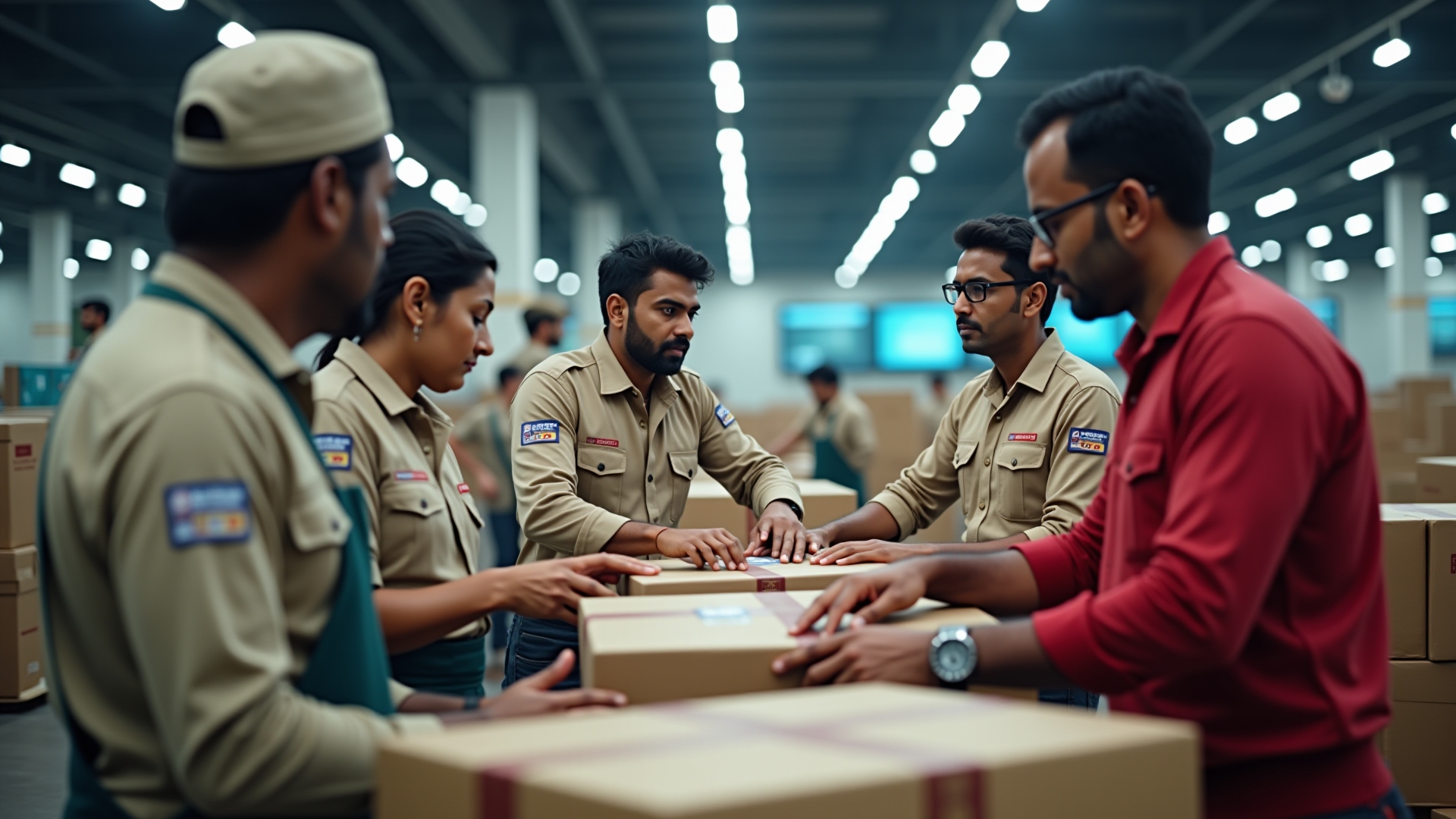
As you navigate the rapidly evolving e-commerce landscape in India, a pivotal development demands your attention: the Memorandum of Understanding (MoU) between India Post and DTDC. This alliance is not just another logistics partnership; it has the potential to redefine the parameters of e-commerce logistics, especially around last-mile delivery and market penetration beyond metro and tier-1 cities. For your e-commerce business, D2C brand, or marketplace platform, understanding how this collaboration can expand your operational capabilities and improve customer satisfaction is critical for sustained growth in one of the world’s most dynamic digital commerce markets.
Why This Partnership Matters to You
If your growth strategy hinges on tapping into tier-2, tier-3, and rural consumers, the India Post-DTDC collaboration is a game-changer. India Post offers an unparalleled geometric reach that private logistics players often find challenging to penetrate, particularly in underserved or remote areas. Conversely, DTDC’s established network in urban and semi-urban centers brings optimized parcel handling and faster commercial delivery capabilities. Together, you can expect a synergy that addresses the key pain points limiting your current logistics strategies — long transit times, high delivery costs, and delivery reliability issues outside major urban hubs.
By leveraging this partnership, you stand to improve your customer acquisition funnel and retention rates in these emerging markets. Faster, more reliable deliveries also elevate your brand reputation and repeat purchase behavior — a foundation for a robust D2C business or marketplace ecosystem.
What Is Happening in the India Post-DTDC Collaboration?
The MoU formalizes a strategic alliance where India Post and DTDC will combine their respective strengths to enhance parcel delivery services nationwide. India Post’s extensive network, which spans even the remotest rural corners, will intertwine with DTDC’s private-sector logistical expertise focusing on efficiency and commercial scalability. This partnership stands poised to test new hybrid last-mile delivery models aimed at optimizing costs, accelerations in parcel throughput, and more cohesive supply chain management.
Key Business and Market Impacts to Consider
- Enhancing E-Commerce Logistics Efficiency: Reduced transit times and expanded delivery reach can significantly decrease your fulfillment costs and increase order volumes, particularly from untapped markets.
- Supporting Quick Commerce and Omnichannel Strategies: As demand shifts towards hyperlocal and instant deliveries, a reliable hybrid logistics framework helps you meet consumer expectations for speed and availability.
- Driving Marketplace Expansion: Improved logistics removes barriers for smaller sellers and local brands, helping you expand assortment and improve marketplace liquidity.
- Creating Competitive Advantage: You can leverage this infrastructure upgrade as a differentiator in a crowded market to improve customer experience and brand loyalty.
- Aligning with Government Policies: This public-private collaboration echoes government initiatives aimed at bolstering digital commerce infrastructure, rural market penetration, and financial inclusion.
Strategic Analysis: What This Means for Your Logistics and E-Commerce Growth
This partnership illustrates an emerging model for India’s digital commerce infrastructure—deep integration between public sector reach and private sector efficiency. As an e-commerce leader, you should view this as a precedent for hybrid logistics networks that balance scale with service quality.
Such collaborations drive a critical transformation in unit economics, where optimized delivery routes and consolidation can reduce the cost per parcel. The scalability can support growing order volumes while maintaining profitability—essential in a market moving towards quick commerce and more frequent deliveries.
Moreover, the wider and faster last-mile coverage enables you to innovate beyond just product sales—consider localized inventory stocking, hyperlocal delivery zones, and personalized fulfillment solutions based on consumer geography.
“When logistics, customer trust, and unit economics align, digital commerce growth becomes far more durable.”
Practical Takeaways for Your Business Strategy
- Monitor developments in delivery speed, coverage, and cost reductions enabled by this partnership to adjust your fulfillment planning accordingly.
- Evaluate your supply chain and inventory distribution strategies to leverage enhanced rural and semi-urban reach.
- Consider pilot programs or partnerships that integrate this hybrid logistics model to test customer experience improvements in tier-2 and tier-3 cities.
- Track how competitive marketplace players leverage this infrastructure to sharpen your differentiation and positioning.
- Start dialogues with logistics partners and technology providers to align operations with the evolving delivery ecosystem.
Expert Perspective
“In e-commerce, growth matters — but retention is what turns traffic into a business.”
“The real edge is not only in selling faster, but in building a brand, a system, and a customer relationship that lasts.”
Risks and Challenges to Watch
While the partnership offers promising synergies, integrating operations across public and private domains is complex. Potential challenges include aligning technology platforms, managing service-level agreements, and maintaining consistent delivery standards across heterogeneous geographies. Additionally, any transition period could temporarily disrupt logistics reliability, impacting customer satisfaction if not managed carefully.
As an operator within this evolving framework, maintain vigilance on execution timelines and SLA commitments, ensuring customer experience remains uninterrupted.
What You Should Watch Next
Keep a close eye on pilot implementations and any new delivery models introduced by the India Post-DTDC partnership. Key metrics to track include delivery time reductions, cost efficiency improvements, and customer adoption rates in previously underserved markets. You should also watch for any policy announcements or regulatory shifts that could further shape public-private logistics collaboration.
Conclusion
The India Post-DTDC e-commerce logistics partnership presents you with a strategic opportunity to markedly improve last-mile delivery efficiency and expand your reach into India’s vast and varied consumer landscape. By effectively integrating these enhanced logistics capabilities, you can unlock greater customer acquisition and retention, optimize your unit economics, and sharpen your competitive edge in an increasingly competitive market.
As the partnership matures, being proactive about adopting and adapting to these logistics innovations will define your ability to scale sustainably and win market share. In your role as an e-commerce leader, marketplace operator, or D2C brand builder, the India Post-DTDC MoU is a development you cannot afford to overlook.