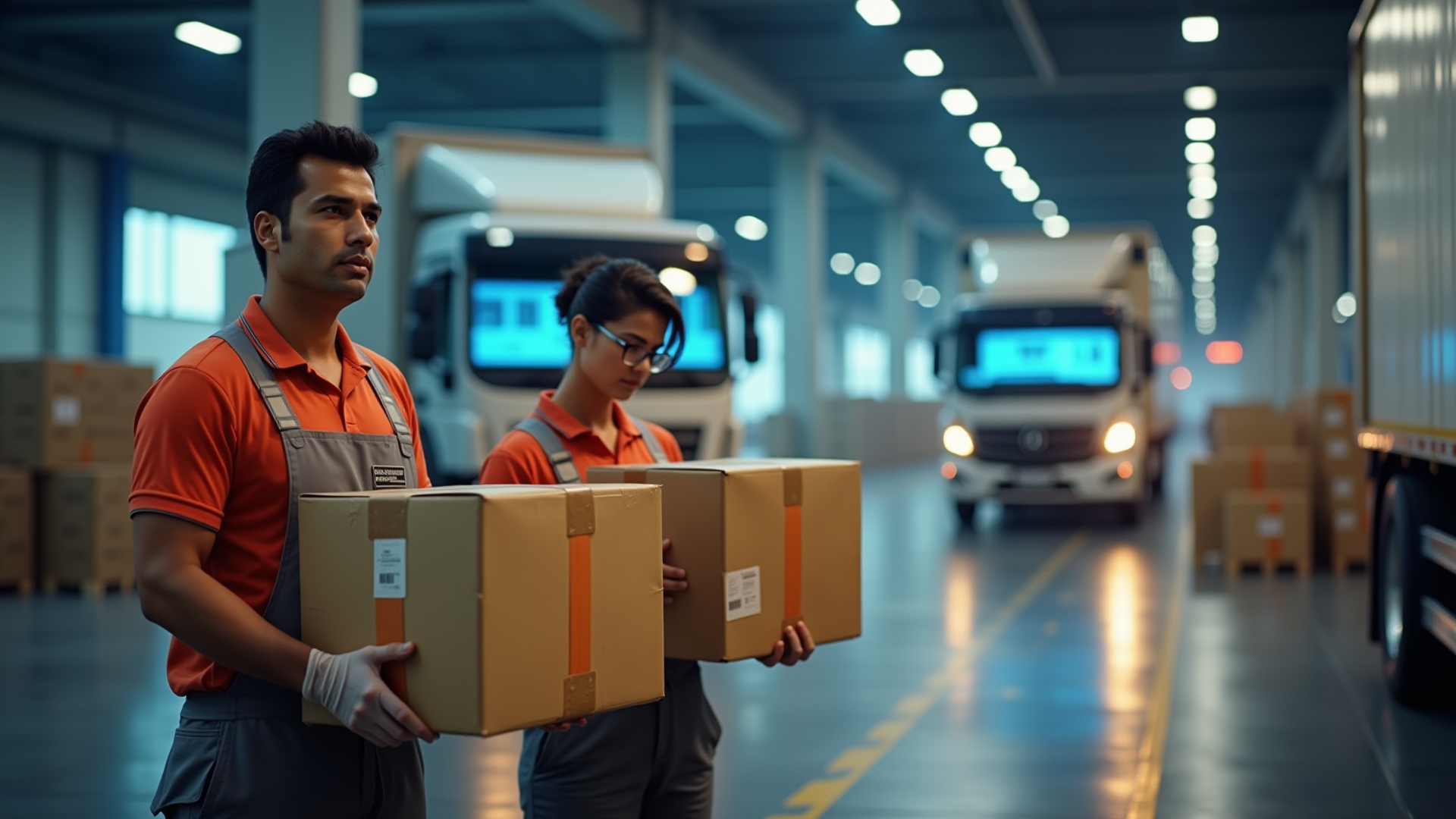
The operationalisation of the All-India road network, announced by Union Minister Jyotiraditya Scindia, is more than just infrastructure development—it’s a strategic gamechanger poised to redefine the e-commerce and parcel logistics landscape across India. If you lead an e-commerce business, a D2C brand, or manage logistics in the digital retail space, this development demands your focused attention as it directly impacts how you scale, serve, and sustain your growth in an increasingly competitive market.
Why This Matters to You
You’re navigating a market where expansion beyond metros into tier-2 and tier-3 cities holds the key to unlocking the next wave of customer acquisition and sales. However, without robust and reliable road connectivity, last-mile delivery challenges inflate your costs, delay shipments, and erode customer trust. The newly operationalised road network overcomes these foundational barriers by enabling faster, more efficient parcel movement across the entire country.
For your business, this translates to better unit economics through reduced transit times and transportation costs, a smoother fulfillment process, and a strengthened ability to meet rising consumer expectations for speed and reliability. It also lays the groundwork for integrated logistics innovations that can refine your delivery models and customer experience.
What Is Happening: The All-India Road Network Comes Alive
The government’s commitment has materialised in a comprehensive operational road network spanning urban and rural areas alike, connecting production hubs, warehouses, and demand centers seamlessly. This infrastructure expansion serves as a backbone for the parcel and e-commerce sectors by addressing the critical logistical bottlenecks that typically delay deliveries outside major metro regions.
This initiative dovetails with policy measures such as the Open Network for Digital Commerce (ONDC), which decentralizes market access and seeks to unify fragmented sellers and service providers. These combined efforts set the stage for a more interconnected, agile digital retail ecosystem.
Key Business and Market Impacts
- Enhanced Logistics Efficiency: Streamlined road connectivity cuts down freight transit times across states and regions, facilitating quicker inventory replenishment and enabling just-in-time fulfillment models critical for your quick commerce ventures.
- Cost Optimization: Reduced dependence on air freight or circuitous routes lowers your transportation expenses, improving your contribution margins and overall profitability.
- Expanded Market Reach: Stronger links to tier-2 and tier-3 cities unlock new customer segments and increase wallet share through localized last-mile delivery solutions.
- Supply Chain Resilience: Improved infrastructure enhances your ability to manage stock-outs, returns, and reverse logistics more effectively, reinforcing customer satisfaction and retention.
- Technology Integration: The roads enable adoption of AI-based route optimization, real-time tracking, and data-driven route planning, boosting operational intelligence and customer transparency.
- Sustainable Growth: By reducing reliance on more carbon-intensive delivery modes, your logistics can become more environmentally sustainable, aligning with growing regulatory and consumer demand for green commerce.
Strategic Analysis: More Than Roads—A Competitive Lever in Your E-Commerce Growth
This operationalisation is not a mere infrastructure upgrade; it is a strategic enabler that shifts the competitive dynamics in India’s digital commerce ecosystem. You can leverage this enhanced accessibility to fine-tune your inventory placement strategies, forge stronger regional partnerships, and offer hyper-localized quick-commerce services that deepen customer loyalty.
It also complements your investments in payment solutions and checkout streamlining. When delivery reliability improves, your conversion rates climb naturally, and repeat purchase behavior strengthens. This holistic uplift in customer experience drives sustainable lifetime value that is often elusive in competitive marketplaces.
“In e-commerce, growth matters — but retention is what turns traffic into a business.”
With more seamless road connectivity, you gain agility in expanding assortments and experimenting with category assortment, enabling differentiated offerings aligned with regional preferences. This can create meaningful pockets of competitive advantage that are defenseable long-term.
Practical Takeaways for E-Commerce Leaders
- Understand the Opportunity: Recognize that enhanced road networks lower logistics friction, enabling you to serve customers farther from urban hubs more profitably.
- Monitor Operational Impact: Track delivery speed improvements and cost efficiencies as infrastructure ramps up to calibrate your fulfillment models accordingly.
- Invest in Tech Integration: Accelerate adoption of AI-powered route optimizations and real-time shipment tracking to maximize the benefits of better road connectivity.
- Expand Market Penetration: Use the infrastructure boost to deepen penetration into tier-2 and tier-3 cities with localized inventory and branding strategies.
- Align Sustainability Goals: Leverage road transport improvements to reduce carbon footprints while meeting growing consumer expectations for sustainable logistics.
- Prepare for Policy Evolution: Stay abreast of regulatory changes around ONDC and other government initiatives that intersect with this infrastructure to optimize your compliance and market positioning.
Expert Perspectives
“When logistics, customer trust, and unit economics align, digital commerce growth becomes far more durable.”
“The real edge is not only in selling faster, but in building a brand, a system, and a customer relationship that lasts.”
Risks and Challenges to Consider
While operationalisation significantly improves the landscape, it is imperative to recognize that infrastructure usage brings ecosystem adjustments. Road quality and traffic congestion variations across regions can still pose challenges. You must also anticipate fluctuating fuel costs and regulatory compliance impacts on logistics expenses.
Additionally, integrating logistics technology and workforce training to fully utilize these advantages requires deliberate investment and planning. Ignoring these aspects could undermine the expected operational gains and customer experience improvements.
What You Should Watch Next
Keep a close watch on how last-mile delivery players and quick-commerce startups adapt their fulfillment and distribution models in response to this new infrastructure. Observe the ONDC rollout’s impact combined with the road network enhancements, which together could reposition seller-buyer dynamics and market competition.
Also, track emerging technology deployments such as AI-driven route and demand forecasting solutions that can further optimize parcel movement efficiency. Innovations aimed at reducing carbon emissions in distribution will become key differentiators from both market and regulatory perspectives.
Conclusion: A Strategic Infrastructure Play for Your E-Commerce Future
The operationalisation of the All-India road network is a pivotal milestone poised to redefine how you approach logistics, fulfillment, and customer experience in India’s e-commerce sector. This development aligns infrastructure improvements with broader digital commerce policies and tech innovations, creating a fertile ground for more sustainable and profitable growth.
By leveraging these new capabilities, you can reduce delivery costs, accelerate market expansion, and build competitive advantage in a digital retail landscape that demands both speed and reliability. The road ahead is not just paved with concrete but with strategic opportunities—make sure your business is ready to capitalize on them.
Focus on integrating logistics innovation, local market strategies, and sustainability to transform this infrastructure development into a durable engine for e-commerce success.