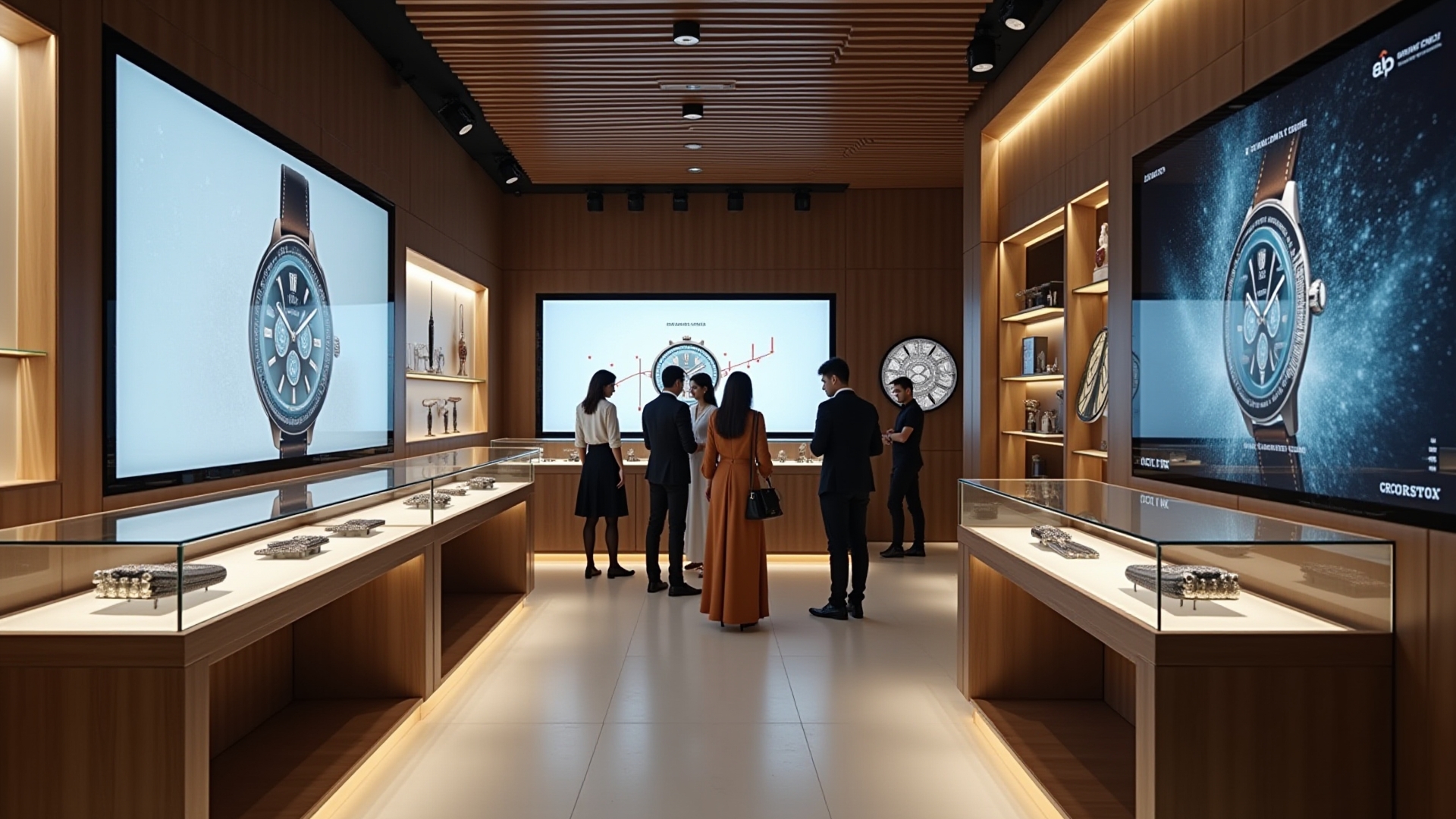
As a leader in e-commerce, retail, or digital brand strategy, you’re constantly seeking signals that reveal the next frontier of growth and customer engagement. Victorinox’s unveiling of its India Vision 2030 after registering a remarkable 41% growth offers exactly that: a blueprint of how a heritage brand is pivoting to capture the digital retail wave in India. This is not merely about expanding product lines or outlets; it’s a transformative approach to harmonize traditional brand strength with digitally-led commerce and omnichannel retailing.
Why This Development Matters to You
Victorinox’s strategic pivot is a critical case study for you as an e-commerce founder, D2C brand leader, or marketplace operator. It underscores how premium, traditionally offline brands can unlock scalable growth by directly owning consumer relationships and deploying digital-first tools alongside expanding physical footprints. If you are navigating India’s complex market dynamics, including tier-2 and tier-3 city penetrations, Victorinox’s model offers insight on balancing brand control, enhancing customer experience, and managing economics to drive profitability.
Decoding Victorinox’s India Vision 2030
Victorinox’s aggressive 41% year-on-year growth in India signals a blossoming market opportunity for premium lifestyle products fused with quality and innovation. Their India Vision 2030 sets a purposeful course focused on two major pillars:
- E-commerce Launch: By entering direct digital retail, Victorinox strengthens its grip on the customer journey, reducing dependency on marketplaces and enabling tailored, data-driven marketing and personalization.
- Retail Expansion: Continuously growing their physical presence across India provides tangible touchpoints for experiential selling, crucial in building brand trust and repeat purchase behavior.
This dual approach is precisely what you need to consider if you want to win in India’s evolving retail landscape, where consumer expectations for seamless omnichannel experiences are rapidly rising.
Key Business and Market Implications
The strategic elements of Victorinox’s Vision 2030 hold critical lessons for your growth strategy and digital commerce roadmap:
- Direct-to-Consumer (D2C) Empowerment: By establishing its own e-commerce platform, Victorinox gains pricing autonomy, refined brand storytelling opportunities, and superior customer data insights—cornerstones for sustainable D2C growth and retention.
- Omnichannel Synergies: Synchronizing physical stores with digital sales channels enhances customer engagement and lifetime value, reducing friction between discovery and purchase.
- Data-Driven Personalization: Access to first-party customer data enables the deployment of AI-powered recommendations and personalized marketing that optimize acquisition costs and boost repeat orders.
- Regional Market Penetration: Focusing on tier-2 and tier-3 cities matches India’s digital retail growth trajectory, helping you scale logistics operations efficiently while meeting rising consumer expectations for fast, reliable fulfillment.
Insightful Strategic Analysis
From a strategic vantage, Victorinox’s move reflects a larger industry rhythm: legacy brands recalibrating to compete in a digital-first world without sacrificing brand heritage or premium positioning. Their approach isn’t about transactional e-commerce; it is a deeper transformation embedding e-commerce within brand-building and unit economics thinking. This means you must contemplate the long-term margins that digital ownership and hybrid retail models can deliver versus the traditional volume-dependent marketplace play.
“In e-commerce, growth matters — but retention is what turns traffic into a business.”
Moreover, controlling multiple consumer touchpoints through physical and digital channels fosters richer data capture—equipping you to refine inventory management, plan smarter marketing campaigns, and deliver customized experiences that resonate. Logistic demands will inevitably shift too, emphasizing quick commerce expectations balanced with the premium service standards Victorinox targets.
Practical Takeaways for E-Commerce Leaders
- Prioritize developing your own direct digital channels to enhance brand control and improve unit economics.
- Integration of physical retail with online commerce can drive superior customer retention and better customer experience.
- Leverage first-party data extensively for AI-led personalization and customer segmentation to lower acquisition costs and lift repeat purchase rates.
- Expand thoughtfully into tier-2 and tier-3 cities, building logistics and fulfillment capabilities that offer speed and reliability.
- Monitor emerging regulatory trends around digital payments, ONDC, and open commerce frameworks to capitalize on infrastructural and policy advances.
“The real edge is not only in selling faster, but in building a brand, a system, and a customer relationship that lasts.”
Risk Factors and Challenges to Consider
Transitioning a legacy premium brand like Victorinox into a digitally-first omnichannel model is not without pitfalls. You must be wary of the complexity in balancing inventory across physical and digital stores to avoid overstock or stockouts. The investment needed for robust fulfillment, especially in tier-2/3 cities, can strain unit economics if not executed efficiently. Furthermore, as you decrease reliance on marketplaces, building sufficient direct traffic and conversion becomes a critical and ongoing challenge.
What You Should Watch Next
Keep an eye on how Victorinox executes its e-commerce rollout—particularly their digital marketing strategies and personalization capabilities. Observe how they integrate logistics to meet quick commerce demand while maintaining premium service levels. Also, watch for policy developments around India’s open-network commerce (ONDC) initiatives and payment infrastructure that could further reshape the competitive landscape.
Conclusion: A Blueprint for Brand-Led Digital Commerce Growth
You can view Victorinox’s India Vision 2030 as a strategic beacon demonstrating how a well-established brand can master digital transformation to expand market share and deepen consumer loyalty. Their blend of e-commerce expansion and retail footprint enhancement exemplifies a holistic approach to growth that prioritizes customer engagement, operational efficiency, and profitable scaling.
By internalizing these lessons and adapting them to your context, you position your business not only to capture immediate market opportunities but also to build a resilient, technology-empowered, and customer-centric foundation for the decade ahead.
“When logistics, customer trust, and unit economics align, digital commerce growth becomes far more durable.”