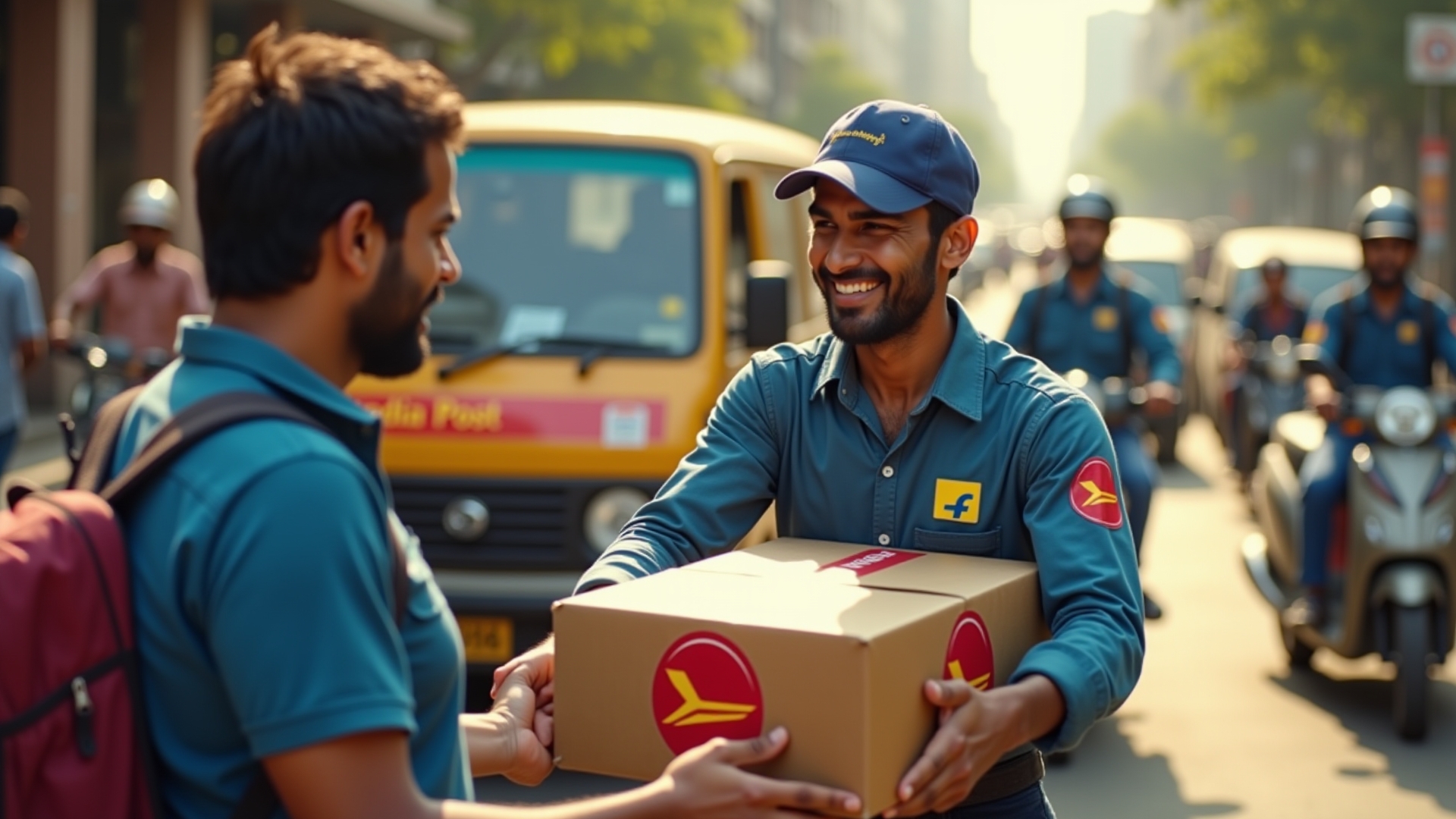
The partnership between India’s Department of Posts and Flipkart marks a transformative chapter in the evolution of e-commerce logistics, redefining how you approach delivery infrastructure in your digital retail strategy. As a leader or stakeholder in e-commerce—whether running a marketplace, a D2C brand, or overseeing fulfillment operations—you stand to gain from this collaboration that leverages the enormous reach of India’s postal network alongside Flipkart’s technology prowess.
Why This Partnership Matters to You
You operate in an industry where last-mile delivery speed, reliability, and cost-efficiency directly influence customer loyalty and competitive positioning. This alliance is more than a collaboration; it’s a strategic inflection point that can elevate your supply chain and customer experience in ways previously unattainable through traditional logistics models. Understanding this move helps you anticipate shifts in delivery benchmarks, geographic penetration, and fulfillment economics that could reshape your growth engine.
The Agreement and Its Core Elements
By combining the Department of Posts’ unparalleled nationwide delivery infrastructure with Flipkart’s operational agility and digital capabilities, this partnership is positioned to address one of India’s most significant e-commerce challenges: scaling speedy, affordable delivery beyond metropolitan hubs into tier-2 and tier-3 cities. This deal integrates institutional postal services with private sector innovation, setting a new standard for logistics collaboration.
Strategic and Market Implications
From your perspective as a digital commerce professional, this move signals several critical trends:
- Marketplace and D2C Expansion: Enhanced postal reach means you can now consider untapped regions with improved delivery timelines, opening doors for category expansion and richer assortment strategies.
- Fulfillment Optimization: By utilizing the postal network’s cost-efficient routes, your unit economics can improve, allowing for more sustainable growth and potentially higher contribution margins.
- Quick Commerce and Customer Expectations: Faster last-mile deliveries meet the rising consumer demand shaped by quick commerce, reducing churn and boosting repeat purchase.
- Policy Alignment and ONDC Synergies: Leveraging postal infrastructure aligns with India’s open commerce ambitions under ONDC, priming your operations for a more interoperable and competitive marketplace environment.
Deeper Insight: Legacy Meets Innovation
This partnership exemplifies the vital convergence of legacy public infrastructure and digital-age commerce. For you, the lesson here is clear: sustainable e-commerce growth requires ecosystems that intelligently blend established logistics assets with technology-driven models. This hybrid approach reduces overdependence on traditional third-party logistics and facilitates tailored delivery experiences optimizing both cost structure and customer satisfaction.
“When logistics, customer trust, and unit economics align, digital commerce growth becomes far more durable.”
Practical Takeaways for Your Business
- Evaluate Your Last-Mile Strategy: Assess how this partnership’s expanded reach and improved capabilities could enhance your delivery promise across new geographies.
- Leverage Hybrid Logistics Models: Experiment with integrating postal services alongside private couriers to balance cost-efficiency and speed.
- Align with Open Network Commerce: Prepare your systems and policies to benefit from ONDC-driven interoperability, using postal infrastructure as a strategic asset.
- Monitor Delivery Economics: Track how improved fulfillment unit economics impact your margins and customer retention metrics.
- Adapt Customer Acquisition and Retention Plans: Faster, reliable deliveries are a key differentiator in repeat purchase and lifetime value enhancement—plan accordingly.
Expert Perspective
“In e-commerce, growth matters — but retention is what turns traffic into a business.”
“The real edge is not only in selling faster, but in building a brand, a system, and a customer relationship that lasts.”
Risks and Considerations
While promising, this partnership also introduces challenges you should watch closely:
- Operational Integration: Merging public postal processes with private digital workflows requires robust alignment—any friction here could impact delivery reliability.
- Scalability Concerns: As demand spikes, postal networks must sustain service quality without bottlenecks, which may require continuous investment and coordination.
- Technology and Data Interoperability: Seamless IT integration is necessary to track shipments and ensure transparency; shortcomings could affect customer experience.
- Competitive Response: Traditional logistics players may accelerate innovation, prompting you to remain agile and adaptive.
What to Watch Next
Keep a pulse on how this partnership evolves operationally and influences industry standards. Monitor pilot programs’ success rates in non-metro areas and feedback loops from marketplaces and D2C brands experimenting with the hybrid logistics model. Also, track regulatory developments around ONDC and the broader open commerce ecosystem to identify new opportunities or constraints related to postal network utilization.
Conclusion: A Blueprint for Competitive Edge
The Department of Posts Flipkart logistics partnership is more than a strategic alliance—it’s a blueprint for how you can leverage legacy assets fused with digital innovation to gain competitive advantage in India’s dynamic e-commerce landscape. By expanding reach, optimizing economics, and enhancing delivery quality, this collaboration offers a pathway to sustainable growth you cannot afford to overlook.
Staying informed and adaptive to these logistics shifts will empower you to refine your marketplace strategy, improve the customer journey, and secure your brand’s position in what remains one of the world’s fastest-growing e-commerce arenas.
“The real edge is not only in selling faster, but in building a brand, a system, and a customer relationship that lasts.”