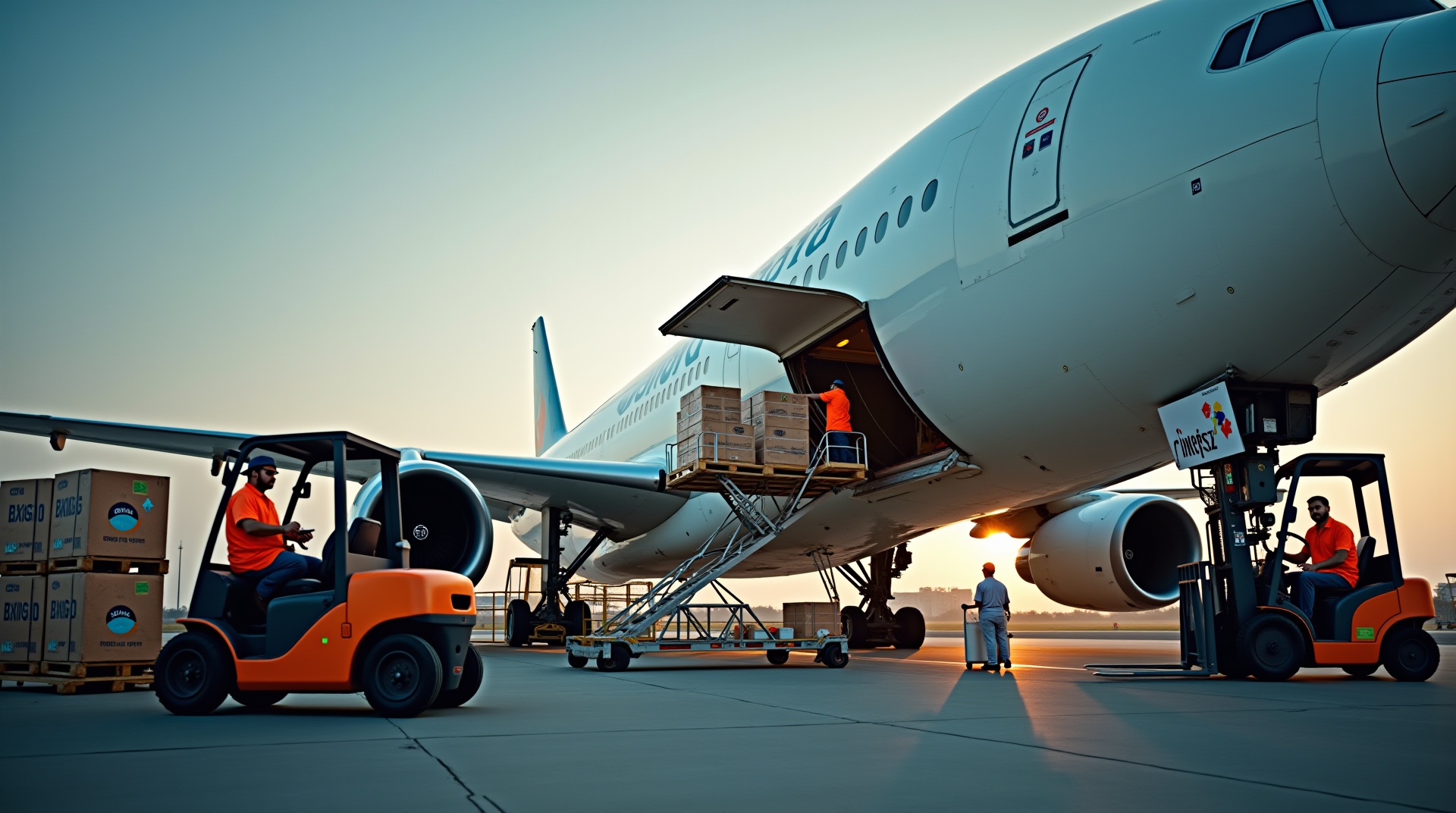
As an e-commerce leader, you know the lifeblood of your business hinges on seamless supply chains and rapid, reliable deliveries. IndiGo’s latest move—launching the Kolkata–Kunming cargo route—provides a critical new artery in the India-China logistics network, directly impacting your cross-border commerce strategies. This innovation is not just about faster flights; it’s a strategic lever that could reshape how you expand, source, and serve in one of the world’s most dynamic e-commerce corridors.
Why This Development Matters to Your Business
This new air freight connection unlocks a shorter, more efficient logistics channel between eastern India and southwestern China, two regions that are increasingly central to the global e-commerce ecosystem. For you, whether steering a marketplace platform, building a D2C brand, or leading fulfillment operations, this means faster inventory turnaround, lower freight costs, and greater control over your product assortment.
By reducing shipping lead times and strengthening last-mile connectivity, IndiGo’s Kolkata–Kunming route directly influences your ability to meet customer expectations for speed and reliability—a non-negotiable in today’s competitive digital retail landscape.
What IndiGo Has Unveiled
IndiGo’s new cargo route operates between Kolkata, a major eastern Indian logistics hub, and Kunming, a key gateway in southwestern China. This corridor is more than a mere flight path; it represents a purposeful linkage designed to support faster exchange of goods, catering particularly to e-commerce sectors like electronics, fashion, and consumer goods where supply chain agility is a growth driver.
Strategic Implications for Your E-Commerce Operations
For your enterprise, this route introduces several potent advantages:
- Reduced Delivery Times: Shorter air freight routes mean quicker replenishment cycles, critical for inventory management and customer retention.
- Cost Optimization: Lower freight transit times can translate to improved unit economics, enabling more competitive pricing or better margins.
- Enhanced Supply Chain Flexibility: Access to a reliable route supports diversified sourcing and expanded category strategies, especially for marketplace assortments and D2C product lines.
- Boost to Cross-Border Trade: Strengthening India-China logistics connects you to broader export and import opportunities, enriching your international reach.
Deeper Industry Insight: Beyond the Route
This development mirrors a growing trend where air cargo connectivity is integrated as a foundational piece of digital commerce strategy. As you navigate complex headwinds in logistics and fulfillment, such infrastructure becomes critical to scaling quick commerce models, which thrive on rapid order processing and last-mile execution.
It also drives a ripple effect across customer experience metrics. “When logistics, customer trust, and unit economics align, digital commerce growth becomes far more durable,” an insight that resonates as you strategize for long-term retention and repeat purchases.
Actionable Takeaways to Leverage This Opportunity
- Evaluate your current cross-border supply chain to identify how the Kolkata–Kunming route can reduce bottlenecks or costs.
- Work with logistics partners to integrate this corridor into your inventory sourcing and replenishment plans.
- Analyze category demand shifts that could benefit from faster access to Chinese manufacturers, especially for electronics and fashion segments.
- Consider the route’s potential to accelerate quick commerce initiatives by supporting faster turnaround and dependable fulfillment.
- Keep an eye on evolving trade policies that might further open or challenge this corridor’s potential.
Expert Perspective
“In e-commerce, growth matters — but retention is what turns traffic into a business.”
“The real edge is not only in selling faster, but in building a brand, a system, and a customer relationship that lasts.”
Risks and Challenges to Monitor
While this air cargo link is promising, you should remain cautious about factors that could impede its impact:
- Geopolitical Sensitivities: India-China relations can influence operational stability and customs clearances.
- Regulatory Changes: Import-export policy shifts may affect trade volumes and cost structures.
- Infrastructure Readiness: Ground logistics and last-mile delivery capabilities must match air freight speed to fully capitalize on this route.
What Should You Watch Next?
Monitor IndiGo’s capacity expansions and frequency adjustments on this route, as these will signal the scalability of the corridor. Also, stay alert to partnerships between logistics providers and marketplaces that optimize cross-border flows via Kolkata–Kunming. Finally, policy developments around trade facilitation or e-commerce regulation could significantly shape the operational landscape.
Conclusion: Positioning Your Business for Advantage with IndiGo’s New Cargo Route
IndiGo’s Kolkata–Kunming cargo route is more than a new flight connection—it’s a strategic asset you can harness to sharpen your e-commerce logistics, reduce cost pressures, and improve customer satisfaction. For your brand or platform, embedding this route into your cross-border trade and supply chain design offers a tangible competitive advantage in a sector where speed, reliability, and cost efficiency determine success.
As you chart your growth roadmap, consider this corridor a vital piece of infrastructure supporting deeper integration between India and China’s digital commerce ecosystems. Leveraging it effectively could well be a defining factor in your next phase of expansion and operational excellence.