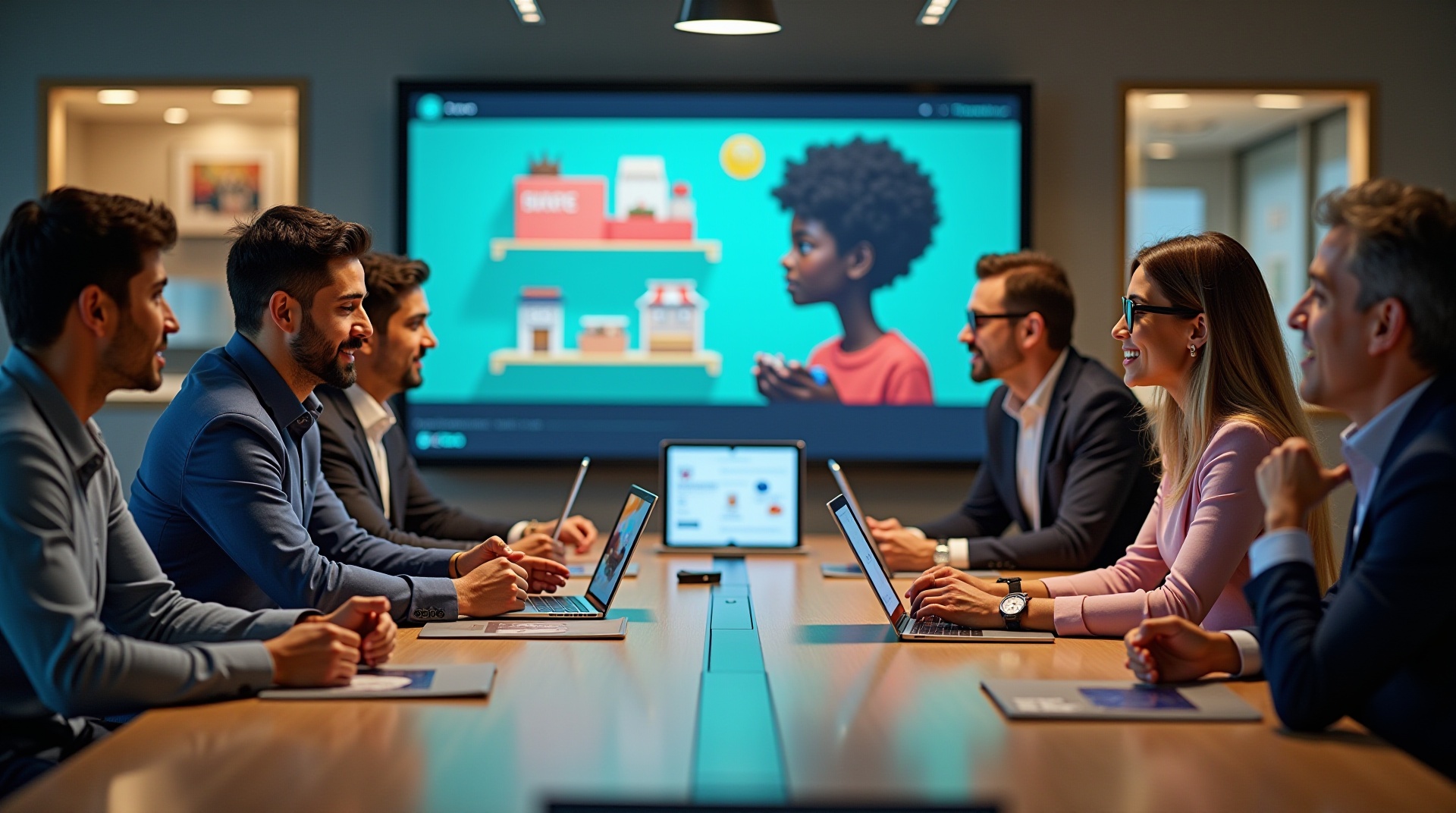
As an e-commerce or D2C leader, you understand the relentless pursuit of ways to deepen consumer engagement and differentiate your brand in a saturated digital marketplace. LT Foods’ recent partnership with KidZania India offers a compelling case study for you: it demonstrates how experiential retail can extend your brand’s reach beyond screens and transactional touchpoints, creating richer, more memorable connections with consumers—especially younger families.
Why This Strategic Move Matters to Your Business
The integration of experiential retail elements into your broader digital and omni-channel strategy is no longer a luxury—it is increasingly essential to building sustainable growth engines. LT Foods has recognized this by collaborating with KidZania India, an experiential edutainment platform that targets children and families, leveraging a physical, interactive environment to entrench brand affinity.
For you, this illustrates the rising importance of blending offline experiences with your online presence. Experiential retail reveals a path to enhance customer acquisition through emotional brand storytelling and engagement, not just price or convenience. It also bolsters retention by fostering meaningful brand recall and loyalty, which are critical as the cost of customer acquisition climbs and competition intensifies.
What LT Foods and KidZania Are Doing Differently
LT Foods is moving beyond traditional FMCG digital and retail strategies by situating its brand presence inside an immersive, family-focused environment. This partnership with KidZania allows the brand to showcase product qualities and values in ways that digital ads or listings can rarely replicate—engaging senses, sparking curiosity, and creating memories.
Such experiential retail initiatives contribute to a hybrid omni-channel approach where offline interactions catalyze online conversions, loyalty, and repeat purchases. This is particularly strategic for food and FMCG segments, where sensory experiences—taste, aroma, texture—play a significant role in purchase decisions.
Impact on E-Commerce, Growth, and Market Positioning
The LT Foods-KidZania partnership underscores an evolving paradigm in e-commerce where differentiation is increasingly predicated on consumer experience rather than product assortment alone. For your e-commerce or marketplace business, this means exploring avenues where you can build immersive brand interactions that complement your digital ecosystem.
Moreover, experiential retail can enhance your unit economics by improving customer lifetime value and reducing acquisition costs through organic loyalty and word-of-mouth. It is a long-term brand equity play that aligns well with the current pressure on Indian e-commerce companies to simultaneously grow revenue and improve profitability.
Deeper Strategic Insight: Why You Should Consider Experiential Retail
By investing time and resources into experiential retail, you are creating layers of engagement beyond the transactional. This multi-dimensional customer journey not only heightens brand recall but also influences consumer behavior in a way that purely digital touchpoints can’t achieve.
Integrating such experiences becomes even more critical as tier-2 and tier-3 markets accelerate quick-commerce demand, raising consumer expectations for convenience and trust. Sensory-based, offline brand interactions can help knit stronger emotional bonds in these markets, anchoring your brand as authentic and reliable.
“The real edge is not only in selling faster, but in building a brand, a system, and a customer relationship that lasts.”
Practical Takeaways for E-Commerce and D2C Leaders
- Evaluate how experiential retail can be woven into your omni-channel growth framework to enhance both acquisition and retention.
- Focus on building emotional connections through brand storytelling in physical settings that complement your digital marketing.
- Consider partnerships with platforms that offer immersive consumer engagement opportunities relevant to your target demographics.
- Measure impact beyond immediate sales—track changes in brand recall, loyalty, and customer lifetime value.
- Leverage insights from offline experiential touchpoints to refine product positioning and online merchandising strategies.
“In e-commerce, growth matters — but retention is what turns traffic into a business.”
Risks and Challenges to Keep in Mind
While experiential retail can offer compelling differentiation, it is capital and resource intensive. Assess the unit economics carefully to ensure that investments in such partnerships generate sustainable returns. The scalability of such initiatives can also be challenging, especially if the experience does not seamlessly link back to your digital sales funnel.
Furthermore, aligning brand messaging across offline and online channels is crucial to avoid mixed signals that might confuse customers instead of engaging them.
What You Should Watch Next
Monitor the success metrics and strategic learnings from LT Foods’ KidZania partnership, particularly regarding customer engagement levels and conversion uplifts. Watch for emerging experiential retail models within quick commerce and tier-2, tier-3 markets, where trust-building through sensory experiences can be game-changing.
Also, keep an eye on policy developments around omni-channel commerce that may incentivize or regulate experiential retail integration in e-commerce business models.
Conclusion
LT Foods’ partnership with KidZania India highlights the growing strategic importance of experiential retail in the evolving landscape of India’s e-commerce and D2C sectors. By blending offline brand immersion with your digital ecosystem, you can differentiate your business, increase customer loyalty, and enhance unit economics in a fiercely competitive market. This move serves as a timely reminder that as consumer expectations evolve, so must your strategies—embracing omni-channel experiential engagement is a powerful lever in your growth arsenal.
“When logistics, customer trust, and unit economics align, digital commerce growth becomes far more durable.”