Category: Blog

  • Why India’s Operational All-India Road Network is a Game-Changer for E-Commerce Logistics and Growth

    Why India’s Operational All-India Road Network is a Game-Changer for E-Commerce Logistics and Growth

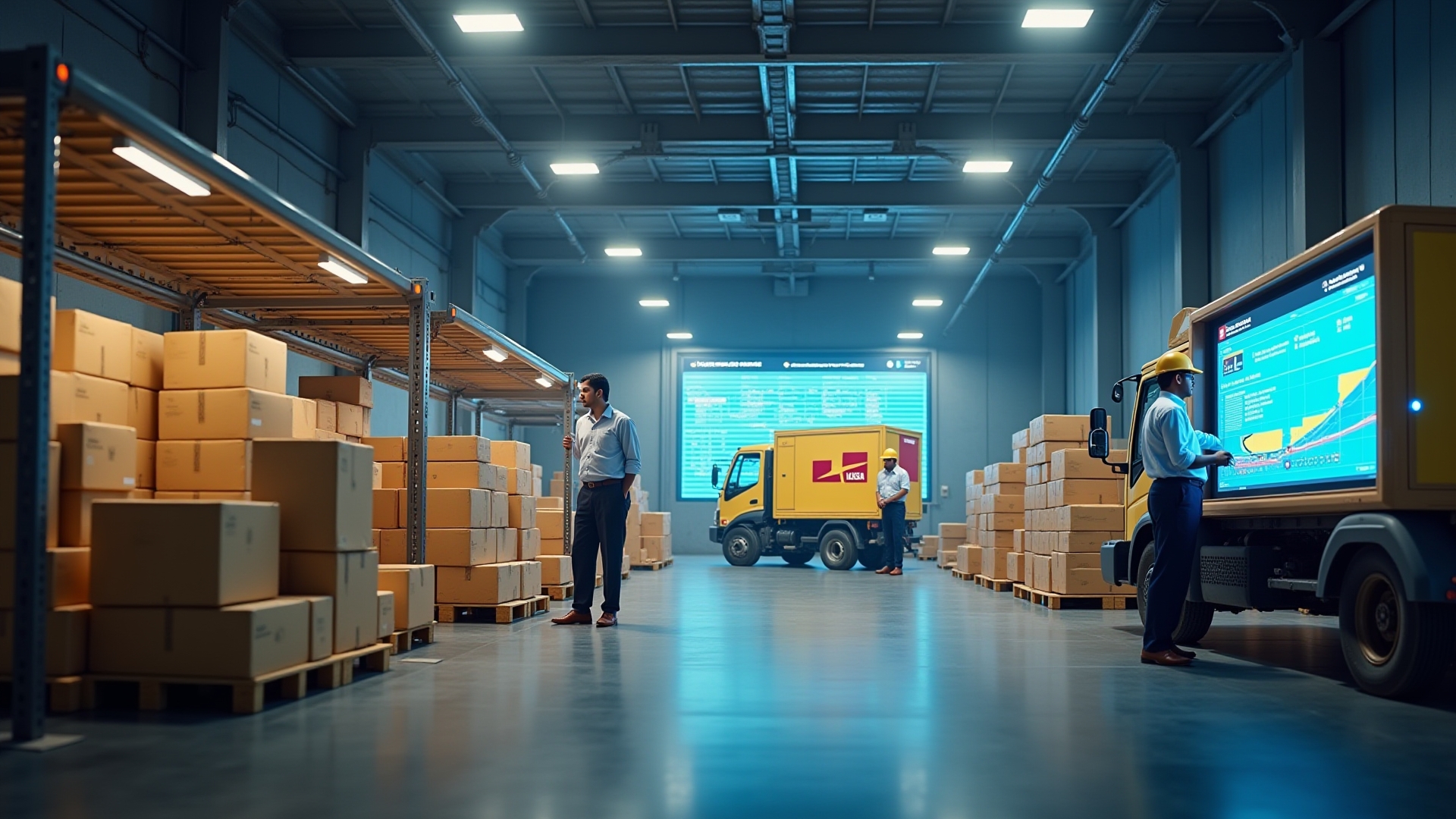
    You’re navigating an increasingly complex e-commerce landscape in India, where every mile counts. The newly operational All-India road network isn’t just another infrastructure upgrade; it’s a transformational development that directly impacts your logistics strategy, customer reach, and ultimately, your bottom line. Understanding how this enhanced connectivity opens doors for your business can unlock new channels of growth and efficiency.

    Why This Matters to You

    If you lead an e-commerce platform, a D2C brand, or quick-commerce enterprise, your growth trajectory hinges on how swiftly and reliably you can reach customers beyond metro hubs. Historically, inconsistent road connectivity in tier-2 and tier-3 cities has throttled market expansion and elevated delivery costs. Now, with the All-India road network operational, you’ve been handed a strategic lever that can redefine your supply chain’s reach and resilience.

    What Is Happening?

    As announced by Union Minister Jyotiraditya Scindia, the All-India road network is fully operational to support parcel and e-commerce sectors. This milestone elevates the physical infrastructure layer fundamental to online retail by enabling parcel movement that spans every nook and cranny of India’s vast geography. Faster, steadier, and denser road connections mean your parcels can reach customers with improved predictability and speed.

    Key Business and Market Impact: Unlocking E-Commerce Potential

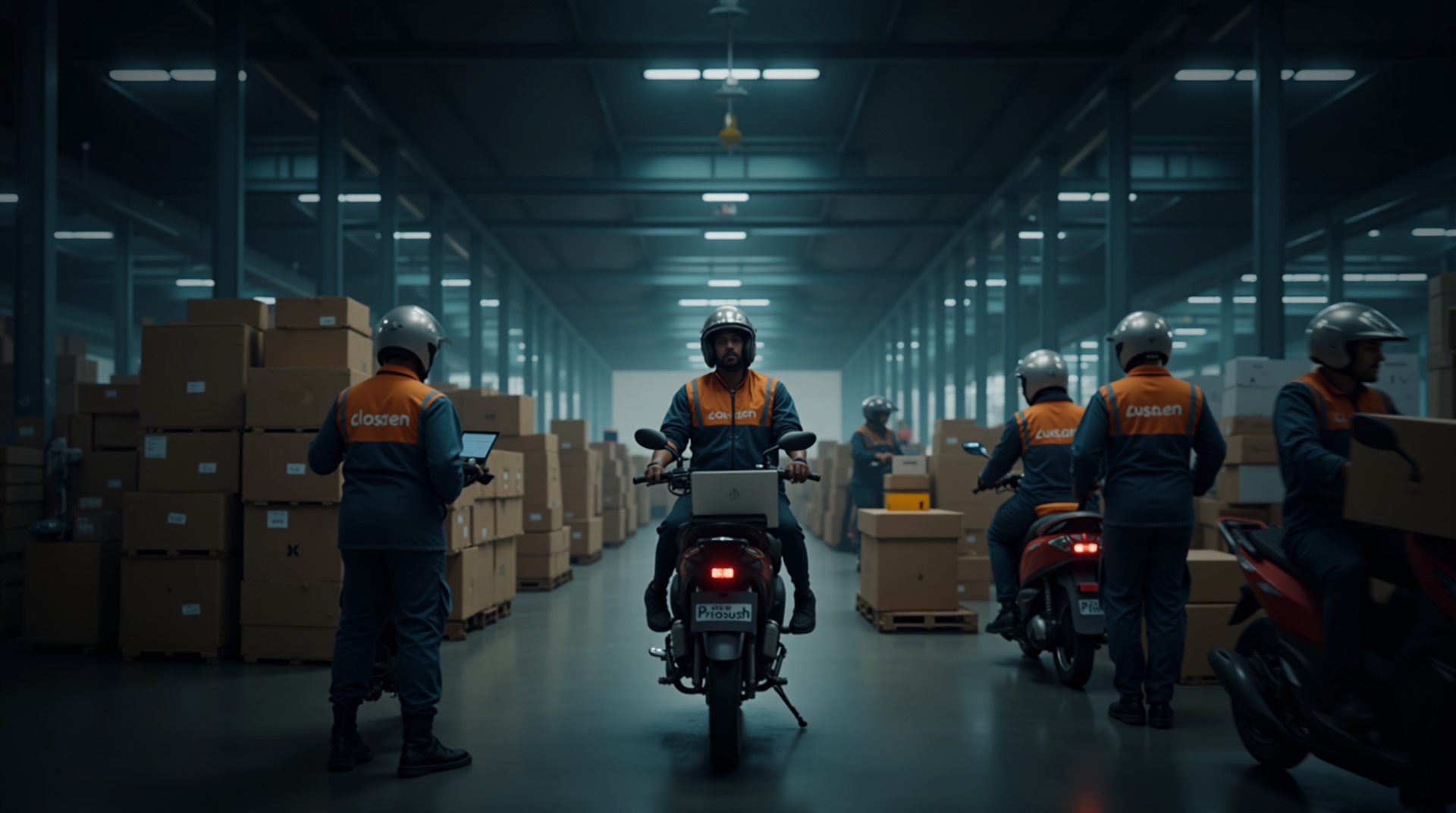
    • Logistics and Fulfillment Efficiency: Your delivery partners will benefit from more streamlined routing and less dependency on fragmented road links, reducing delivery times and enhancing last-mile reliability. This scalability is critical for quick-commerce models where speed defines competitive advantage.
    • D2C and Marketplace Expansion: Better roads directly translate into your ability to serve emerging markets confidently, fostering consumer trust through consistent delivery experiences and better service standards.
    • Synergy with Government Initiatives: This network aligns with Digital India and ONDC, which collectively promote democratized digital commerce and infrastructure-driven growth – pivotal to your strategy for inclusive customer acquisition.
    • Investor Confidence and Risk Mitigation: Improved infrastructure reduces logistical uncertainties, making your growth and scaling plans more viable and attractive to investors seeking lower operational risks.

    Strategic Insight: The Road to Sustainable Growth

    This new infrastructure foundation should prompt you to rethink your operational roadmap. Faster roads fuel opportunities for AI-powered route optimization, smarter inventory placement in automated warehouses, and scalable hyperlocal delivery ecosystems. Viewing the All-India road network as a dynamic asset rather than mere static infrastructure empowers you to innovate your fulfillment strategies and sharpen your unit economics.

    “In e-commerce, growth matters — but retention is what turns traffic into a business.”

    “The real edge is not only in selling faster, but in building a brand, a system, and a customer relationship that lasts.”

    Practical Takeaways: What You Should Do Next

    • Audit Your Current Logistics Footprint: Identify routes and regions where connectivity challenges have inflated costs or slowed delivery, prioritizing them for integration with the new network.
    • Partner Strategically: Collaborate with forward-looking logistics providers who leverage this enhanced infrastructure to offer scalable and reliable last-mile delivery solutions.
    • Invest in Technology: Upgrade your supply chain tech stack with AI-driven route planning and real-time tracking to capitalize fully on the smoother road network.
    • Expand Customer Reach: Revisit market penetration plans, especially in semi-urban and rural regions, where improved transport corridors now make profitable operations possible.
    • Align with Policy Frameworks: Stay engaged with ONDC and Digital India initiatives to leverage supportive policies and infrastructure synergies.

    Expert Perspectives

    The integration of this road network is more than physical infrastructure; it represents a competitive reset. As one might say: “When logistics, customer trust, and unit economics align, digital commerce growth becomes far more durable.” This highlights that as infrastructure improves, so does your opportunity to build lasting customer relationships and move beyond transactional commerce.

    Risks and Considerations

    While the new road network addresses critical logistics challenges, be mindful of operational nuances such as regional regulatory variations and last-mile delivery challenges that may persist despite better roads. Additionally, infrastructure alone won’t replace the need for agile fulfillment models and dynamic inventory management. Effective execution of strategy alongside infrastructure upgrades is essential to maximize ROI.

    What to Watch Next

    Keep an eye on how logistics innovators harness this network with AI, automation, and real-time analytics. Monitor government announcements related to ONDC implementation and Digital India policies that will further integrate infrastructure advances with digital commerce platforms. Your ability to adapt rapidly to these evolving conditions will determine your leadership position in the market.

    Conclusion: A Strategic Inflection Point for Your E-Commerce Growth

    The operationalisation of the All-India road network is not merely a transport enhancement—it’s a game-changing development for your e-commerce logistics and growth. By unlocking faster parcel movement, reducing costs, and expanding your market reach, it recalibrates the competitive dynamics of India’s digital commerce. Leveraging this network within a broader technology and policy-aligned strategy is your path to improved customer experience, strengthened unit economics, and durable business growth.

  • How Amazon and Flipkart Are Poised to Redefine India’s Delivery-in-Minutes Landscape

    How Amazon and Flipkart Are Poised to Redefine India’s Delivery-in-Minutes Landscape

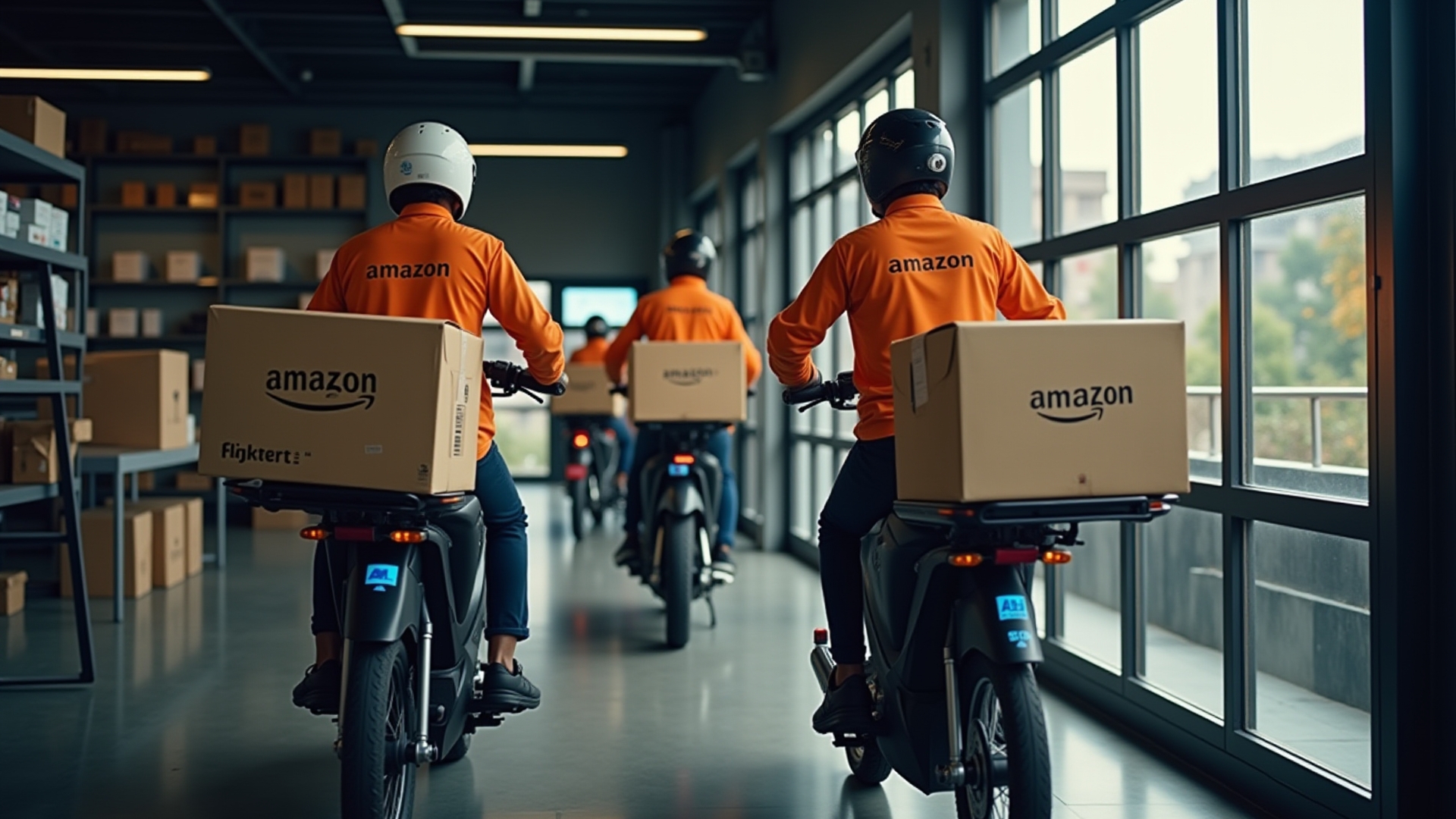
    You are standing on the brink of a strategic shift that could reshape how speed defines competitiveness in India’s e-commerce sector. Amazon and Flipkart, two of the country’s largest digital marketplaces, are doubling down on delivery-in-minutes, a hyperlocal quick-commerce model designed to bring convenience goods to consumers within minutes of ordering. This evolution is not just operational—it’s a fundamental realignment of market expectations, logistics strategies, and customer engagement across India’s growing digital retail ecosystem.

    Why This Matters to You: The New Speed Imperative

    If you run an e-commerce business, a D2C brand, or oversee digital retail strategy, the intensifying focus on ultra-fast delivery in India demands your attention. Delivery speed is no longer just a customer convenience; it’s swiftly becoming a critical buying factor in tier-2 and tier-3 cities, where demand patterns are changing rapidly. Your ability to compete, retain customers, and grow market share hinges on how you adapt to this aggressive push by Amazon and Flipkart, who are setting new speed benchmarks through extensive logistical investments and technology integration.

    What Is Happening: The Delivery-in-Minutes Surge

    Amazon and Flipkart are spearheading the expansion of delivery-in-minutes services—part of the broader quick commerce trend. Their strategies focus on hyperlocal fulfillment powered by localized warehouses, sophisticated inventory management, and AI-driven demand forecasting. This allows them to deliver essential and convenience products swiftly, especially outside metro centers where consumer expectations are evolving and demand for immediacy is growing.

    Such moves come with a strategic edge: by leveraging vendor networks and deploying technology platforms, these giants aim to provide faster deliveries while safeguarding margins, crucial in a market where operational costs can quickly erode profitability.

    Key Business and Market Impacts: Operational Excellence Meets Customer Experience

    This shift creates a multi-dimensional impact:

    • Marketplace Strategy: Accelerated delivery speeds drive repeat purchase cycles, enhance customer lifetime value, and sharpen competitive differentiation. Marketplaces must invest in smart inventory placement and seamless last-mile execution to capitalize.
    • D2C Growth: Brands integrated into these ecosystems gain unparalleled access to instant delivery capabilities, expanding reach in emerging markets and deepening consumer loyalty.
    • Logistics Innovation: Building AI-optimized fulfillment centers and refining supply chains for variable demand patterns become non-negotiable priorities for leaders aiming to stay competitive.

    Strategic Insights: Balancing Speed, Cost, and Sustainability

    The real challenge lies in harmonizing rapid delivery with sound unit economics. While immediate gratification drives sales, the operational complexity of hyperlocal quick commerce demands innovative solutions to control costs.

    Leaders in e-commerce need to leverage advanced data analytics not just for demand forecasting but for optimizing fleet deployment and warehouse automation. Margins hinge on your ability to scale infrastructure efficiently without sacrificing service quality during peak demand periods.

    “When logistics, customer trust, and unit economics align, digital commerce growth becomes far more durable.”

    Practical Takeaways: What You Should Act On Now

    • Reassess Your Fulfillment Network: Evaluate opportunities for localized warehousing to support hyperfast deliveries in tier-2 and tier-3 cities.
    • Invest in Technology: Deploy AI-driven demand prediction and route optimization tools that can handle the unpredictability of quick commerce.
    • Partner Strategically: Collaborate with hyperlocal vendors and logistics providers to build scalable last-mile solutions.
    • Monitor Profitability Closely: Track unit economics rigorously to ensure sustainable growth despite increased operational complexity.

    Expert Perspectives

    “In e-commerce, growth matters — but retention is what turns traffic into a business.”

    “The real edge is not only in selling faster, but in building a brand, a system, and a customer relationship that lasts.”

    Risks and Challenges You Must Anticipate

    Executing delivery-in-minutes at scale comes with significant hurdles. Operational costs soar with increased delivery density and speed requirements, while maintaining consistent service quality during peak hours remains a constant battle. You must also be wary of potential margin compression and supply chain disruptions as you invest heavily in this transformation.

    What to Watch Next in India’s Delivery-in-Minutes Ecosystem

    Keep an eye on how Amazon and Flipkart innovate around technology integration and ecosystem partnerships. Regulatory developments around open commerce platforms like ONDC might also influence how hyperlocal delivery models evolve. Monitoring these dynamics will help you align your strategies with the broader market trajectory.

    Conclusion: Preparing Your Business for the Delivery-in-Minutes Era

    The delivery-in-minutes wave led by Amazon and Flipkart is more than a convenience upgrade—it is a strategic pivot that will reshape India’s e-commerce contours. To stay viable and competitive, you must rethink your fulfillment architecture, embrace technological innovation, and fine-tune your customer engagement strategies around immediacy without losing sight of profitability and sustainability.

    Incorporating ultra-fast delivery into your growth arsenal now will position you to meet evolving consumer demands and unlock lasting advantages in India’s dynamic digital commerce landscape.

  • How the Department of Posts and Flipkart Partnership is Reshaping India’s E-Commerce Logistics Ecosystem

    How the Department of Posts and Flipkart Partnership is Reshaping India’s E-Commerce Logistics Ecosystem

    The partnership between India’s Department of Posts and Flipkart marks a transformative chapter in the evolution of e-commerce logistics, redefining how you approach delivery infrastructure in your digital retail strategy. As a leader or stakeholder in e-commerce—whether running a marketplace, a D2C brand, or overseeing fulfillment operations—you stand to gain from this collaboration that leverages the enormous reach of India’s postal network alongside Flipkart’s technology prowess.

    Why This Partnership Matters to You

    You operate in an industry where last-mile delivery speed, reliability, and cost-efficiency directly influence customer loyalty and competitive positioning. This alliance is more than a collaboration; it’s a strategic inflection point that can elevate your supply chain and customer experience in ways previously unattainable through traditional logistics models. Understanding this move helps you anticipate shifts in delivery benchmarks, geographic penetration, and fulfillment economics that could reshape your growth engine.

    The Agreement and Its Core Elements

    By combining the Department of Posts’ unparalleled nationwide delivery infrastructure with Flipkart’s operational agility and digital capabilities, this partnership is positioned to address one of India’s most significant e-commerce challenges: scaling speedy, affordable delivery beyond metropolitan hubs into tier-2 and tier-3 cities. This deal integrates institutional postal services with private sector innovation, setting a new standard for logistics collaboration.

    Strategic and Market Implications

    From your perspective as a digital commerce professional, this move signals several critical trends:

    • Marketplace and D2C Expansion: Enhanced postal reach means you can now consider untapped regions with improved delivery timelines, opening doors for category expansion and richer assortment strategies.
    • Fulfillment Optimization: By utilizing the postal network’s cost-efficient routes, your unit economics can improve, allowing for more sustainable growth and potentially higher contribution margins.
    • Quick Commerce and Customer Expectations: Faster last-mile deliveries meet the rising consumer demand shaped by quick commerce, reducing churn and boosting repeat purchase.
    • Policy Alignment and ONDC Synergies: Leveraging postal infrastructure aligns with India’s open commerce ambitions under ONDC, priming your operations for a more interoperable and competitive marketplace environment.

    Deeper Insight: Legacy Meets Innovation

    This partnership exemplifies the vital convergence of legacy public infrastructure and digital-age commerce. For you, the lesson here is clear: sustainable e-commerce growth requires ecosystems that intelligently blend established logistics assets with technology-driven models. This hybrid approach reduces overdependence on traditional third-party logistics and facilitates tailored delivery experiences optimizing both cost structure and customer satisfaction.

    “When logistics, customer trust, and unit economics align, digital commerce growth becomes far more durable.”

    Practical Takeaways for Your Business

    • Evaluate Your Last-Mile Strategy: Assess how this partnership’s expanded reach and improved capabilities could enhance your delivery promise across new geographies.
    • Leverage Hybrid Logistics Models: Experiment with integrating postal services alongside private couriers to balance cost-efficiency and speed.
    • Align with Open Network Commerce: Prepare your systems and policies to benefit from ONDC-driven interoperability, using postal infrastructure as a strategic asset.
    • Monitor Delivery Economics: Track how improved fulfillment unit economics impact your margins and customer retention metrics.
    • Adapt Customer Acquisition and Retention Plans: Faster, reliable deliveries are a key differentiator in repeat purchase and lifetime value enhancement—plan accordingly.

    Expert Perspective

    “In e-commerce, growth matters — but retention is what turns traffic into a business.”

    “The real edge is not only in selling faster, but in building a brand, a system, and a customer relationship that lasts.”

    Risks and Considerations

    While promising, this partnership also introduces challenges you should watch closely:

    • Operational Integration: Merging public postal processes with private digital workflows requires robust alignment—any friction here could impact delivery reliability.
    • Scalability Concerns: As demand spikes, postal networks must sustain service quality without bottlenecks, which may require continuous investment and coordination.
    • Technology and Data Interoperability: Seamless IT integration is necessary to track shipments and ensure transparency; shortcomings could affect customer experience.
    • Competitive Response: Traditional logistics players may accelerate innovation, prompting you to remain agile and adaptive.

    What to Watch Next

    Keep a pulse on how this partnership evolves operationally and influences industry standards. Monitor pilot programs’ success rates in non-metro areas and feedback loops from marketplaces and D2C brands experimenting with the hybrid logistics model. Also, track regulatory developments around ONDC and the broader open commerce ecosystem to identify new opportunities or constraints related to postal network utilization.

    Conclusion: A Blueprint for Competitive Edge

    The Department of Posts Flipkart logistics partnership is more than a strategic alliance—it’s a blueprint for how you can leverage legacy assets fused with digital innovation to gain competitive advantage in India’s dynamic e-commerce landscape. By expanding reach, optimizing economics, and enhancing delivery quality, this collaboration offers a pathway to sustainable growth you cannot afford to overlook.

    Staying informed and adaptive to these logistics shifts will empower you to refine your marketplace strategy, improve the customer journey, and secure your brand’s position in what remains one of the world’s fastest-growing e-commerce arenas.

    “The real edge is not only in selling faster, but in building a brand, a system, and a customer relationship that lasts.”

  • Why AI and E-Commerce Are Defining India’s Next Generation of Entrepreneurs

    Why AI and E-Commerce Are Defining India’s Next Generation of Entrepreneurs

    As someone deeply invested in the evolving landscape of digital commerce, you’re witnessing a paradigm shift that’s shaping India’s entrepreneurial future. Artificial intelligence (AI) and e-commerce are not just buzzwords; they are the powerful forces driving innovation, growth, and market disruption for India’s under-30 entrepreneurs. This transformation has direct implications for your business strategy, customer engagement, and overall competitive positioning in one of the world’s fastest-expanding e-commerce ecosystems.

    Why This Emerging Wave Demands Your Attention

    You operate in a digital-first market where consumer expectations, operational complexities, and competitive pressures are escalating rapidly. AI and e-commerce intersect at the core of these challenges, offering you unprecedented tools to refine personalization, optimize supply chain logistics, and sharpen pricing strategies. The fact that Indian entrepreneurs under 30 are mastering this dual ecosystem signals the arrival of a new breed of business models and market playbooks from which you must learn, adapt, or risk being left behind.

    Understanding the Current Landscape: The Intersection of AI and E-Commerce

    The rise of AI in e-commerce is more than a technological adoption; it’s a strategic imperative. Young founders are leveraging AI-driven analytics to decode complex customer behaviors — enabling hyper-personalization, dynamic pricing, smarter inventory management, and predictive demand forecasting. Meanwhile, India’s e-commerce market, buoyed by increasing digital penetration beyond metro cities into tier-2 and tier-3 regions, offers fertile ground for entrepreneurial ventures to build scalable, asset-light D2C brands and flexible marketplace solutions.

    Strategic Impact on Your Business and Market

    This convergence affects multiple facets of your operation and growth strategy:

    • Customer Acquisition & Retention: AI enables you to design targeted campaigns that anticipate customer needs, increasing both conversion rates and the lifetime value of your clientele.
    • Unit Economics & Profitability: With AI optimizing pricing and inventory, you reduce wastage and improve contribution margins—critical levers for sustainable growth.
    • Logistics & Fulfillment: Quick commerce and last-mile delivery are becoming more efficient through AI-managed route optimization and demand prediction, essential for meeting today’s high consumer service standards.
    • Technology Differentiation: Embracing AI embeds a defensible moat in your digital storefront, enhancing customer experience while raising barriers against less tech-savvy competition.

    Deeper Insights into the Young Entrepreneurial Shift

    The new generation of entrepreneurs is not driven merely by scale but by operational finesse and technological integration. They understand that growth in India’s heterogeneous market requires tailoring to local nuances while maintaining robust backend systems. Their success lies in adopting AI at the core, effectively turning data into actionable intelligence that powers smart merchandising, optimized checkouts, and frictionless payments.

    “The real edge is not only in selling faster, but in building a brand, a system, and a customer relationship that lasts.”

    Integrating AI tools—from chatbots that enhance customer engagement to algorithms that personalize product discovery—creates a virtuous cycle. This cycle feeds richer insights back into operations, continuously enhancing unit economics and customer satisfaction.

    Actionable Takeaways for E-Commerce Leaders

    • Invest in AI-Driven Personalization: Deploy data science to tailor your marketing, merchandising, and customer service approaches.
    • Optimize Supply Chain End-to-End: Explore AI-powered forecasting and logistics solutions to reduce delivery times and costs.
    • Embrace D2C & Marketplace Hybrid Models: Build a resilient ecosystem by combining direct customer relationships with platform advantages.
    • Focus on Profitability, Not Just Growth: Analyze unit economics rigorously to ensure scalable, sustainable expansion.
    • Monitor Policy Developments: Stay abreast of ONDC and other regulatory frameworks shaping open-network commerce and data governance.

    “In e-commerce, growth matters — but retention is what turns traffic into a business.”

    Risks and Challenges You Cannot Ignore

    While AI and e-commerce herald significant opportunities, they are not without risks. Data privacy concerns, technology integration costs, and the volatility of consumer behavior in emerging markets can challenge your execution. Over-reliance on AI without human oversight might lead to misaligned recommendations or operational bottlenecks. Moreover, the rapid influx of new startups led by tech-savvy youth increases competition, demanding relentless innovation on your part.

    What to Watch Next in AI and E-Commerce Innovation

    Keep your radar on scalable AI advancements like natural language processing, visual search, and blockchain-based supply chain transparency solutions. Innovations in payments, including embedded finance and instant credit, will redefine conversion funnels. Also, watch policy shifts around open-network commerce (ONDC) that could redefine market dynamics by increasing interoperability and reducing dependency on large platforms.

    Conclusion: Aligning with India’s AI and E-Commerce Entrepreneurial Future

    Why should AI and e-commerce in India’s U30 entrepreneurs matter to you? Because this emerging cohort is not just creating trends; they’re building sustainable business models that balance technology, customer-centricity, and profitability. Their rise signals both a challenge and an opportunity — one where your strategic response will determine your brand’s long-term competitive edge in India’s complex digital commerce landscape.

    “When logistics, customer trust, and unit economics align, digital commerce growth becomes far more durable.” To stay relevant and competitive, you must embed AI deep into your commerce operations and harness India’s rapidly expanding e-commerce market. This is your moment to adapt, innovate, and lead in a market defined by youthful dynamism and technological empowerment.

  • Why Amazon’s AI Investment Is a Strategic Leap for Procurement in India’s E-Commerce Landscape

    Why Amazon’s AI Investment Is a Strategic Leap for Procurement in India’s E-Commerce Landscape

    The landscape of Indian e-commerce procurement is at a transformative crossroads, driven by Amazon’s renewed and substantial investment in artificial intelligence (AI). If you are steering an e-commerce business or a D2C brand in India, this development is more than a technological upgrade — it is a signal of seismic shifts in how procurement strategies will underpin competitive advantage. You must understand why Amazon’s AI investment in procurement is significant for your supply chain efficiency, marketplace operations, and growth trajectory.

    Why This Matters to You: A New Paradigm in Procurement Strategy

    Procurement isn’t just about buying products—it’s about orchestrating a complex ecosystem to balance cost, availability, and demand in real time. For your business, Amazon’s AI-driven approach means you need to rethink how procurement can amplify unit economics, improve inventory turnover, and synchronize with evolving consumer behavior across India’s diverse markets. What Amazon is building can redefine your ability to anticipate demand fluctuations and optimize sourcing with granular precision.

    What Is Happening: Amazon’s AI Focus on Procurement in India

    Amazon’s focus on AI-enhanced procurement exemplifies a strategic leap from traditional procurement methods to data-driven decision-making. Their AI solutions forecast demand patterns, dynamically manage vendor relations, and optimize purchase timing, going beyond cost-cutting to improve contribution margins and operational agility. This initiative aligns with the expanding complexity of India’s supply chain, especially with tier-2 and tier-3 cities rapidly shaping demand profiles that require hyper-local regional assortment strategies.

    Key Market and E-Commerce Impact

    The ramifications for the Indian digital retail ecosystem are multifaceted:

    • Marketplace Operators: Amazon’s AI procurement tools set a benchmark for inventory optimization and faster product availability, intensifying competition and pushing other platforms to elevate backend process innovation.
    • D2C Brands: Enhanced procurement automation accelerates inventory turnover, helping brands ensure they meet fluctuating customer demands swiftly—critical for customer retention and repeat purchase.
    • Unit Economics & Profitability: AI-driven insights help sharpen procurement decisions to balance cost with delivery speed and product assortment, directly impacting profitability and sustainable growth.

    Strategic Insight: Why AI-Powered Procurement Is a Game-Changer

    AI’s integration into procurement is not merely about efficiency—it transforms procurement into a strategic growth engine. By deploying AI, you leverage predictive analytics to tune your supply chain to customer behaviors and market trends in real time. This means quicker reaction times to changes in demand, better vendor negotiation tactics informed by data, and reduced dependence on manual processes that often introduce lag and error.

    “In e-commerce, growth matters — but retention is what turns traffic into a business.”

    “The real edge is not only in selling faster, but in building a brand, a system, and a customer relationship that lasts.”

    This digital transformation in procurement will be a key differentiator as you face intensified competition and increasingly demanding consumers who expect seamless product availability and rapid fulfillment.

    Practical Takeaways for E-Commerce Leaders

    • Embrace AI in procurement as a driver of smarter, data-backed decisions rather than just a cost-saving tool.
    • Focus on training your procurement and supply chain teams to collaborate effectively with AI systems — human expertise and machine intelligence must coexist.
    • Monitor regional demand trends, especially from tier-2 and tier-3 cities, to optimize localized assortments.
    • Invest in vendor relationship management technologies that align with AI platforms for dynamic negotiation and procurement timing.
    • Consider the broader AI ecosystem including logistics, personalization, and pricing to fully leverage cross-functional efficiencies.

    Expert Perspective on AI-Driven Procurement

    “When logistics, customer trust, and unit economics align, digital commerce growth becomes far more durable.”

    Amazon’s AI-driven initiative signals an industry-wide push for integrating technology deeply into procurement and supply chain management—a move from reactive to predictive commerce.

    Risks and Challenges to Keep in Mind

    While AI promises significant advantages, it also comes with implementation challenges: you must avoid over-reliance on technology without strategic oversight, ensure data quality and integration readiness, and navigate change management hurdles across your procurement teams. The balance between AI automation and human judgment will be crucial in maintaining agility and responsiveness.

    What to Watch Next in India’s E-Commerce Procurement Evolution

    As Amazon rolls out its AI procurement capabilities, watch for how these innovations influence supply chain localization, vendor dynamics, and inventory management practices across Indian marketplaces and D2C brands. Pay attention to emerging partnerships, regulatory shifts impacting data usage, and how competitors respond to this technological infusion.

    Conclusion: Positioning Your Business in a New Procurement Era

    Your e-commerce business cannot afford to overlook Amazon’s AI investment in procurement—it reflects a strategic blueprint that is reshaping India’s digital commerce ecosystem. Understanding and integrating AI-driven procurement is critical not only to optimize costs but also to unlock sustainable growth, enhance customer satisfaction, and secure a durable competitive advantage as market dynamics intensify.

    Amazon AI investment procurement India isn’t just a headline; it’s a call to action for you, as an industry leader, to rethink procurement’s role from a back-office function to a pivotal driver of strategic and operational excellence.

  • Why Flipkart’s SuperCoins Strategy Is Pivotal for Surviving India’s E-Commerce Discount Wars

    Why Flipkart’s SuperCoins Strategy Is Pivotal for Surviving India’s E-Commerce Discount Wars

    If you’re steering an e-commerce venture in India, you’re acutely aware of how entrenched discount wars are shaping customer expectations and pressuring profitability. Flipkart’s renewed focus on its SuperCoins loyalty program offers you a masterclass in evolving beyond these margins-squeezing battles toward sustainable growth. This strategy isn’t just a marketing gimmick—it’s a critical shift that could redefine how you think about customer retention, platform economics, and competitive advantage in India’s bustling digital commerce sphere.

    Why Flipkart’s SuperCoins Move Matters to Your Business

    As competition intensifies across marketplaces and D2C brands, retaining customers has become more valuable—and challenging—than ever. If your growth engine heavily relies on aggressive discounts to lure one-time buyers, it’s time to reconsider. Flipkart betting big on SuperCoins underscores that real value lies in customer lifetime engagement, not just instant transactions.

    For you, this means your strategy must encompass tools and incentives that build loyalty without eroding margins. SuperCoins exemplify how a proprietary loyalty currency can create tangible, flexible rewards that encourage repeat purchases across a platform’s ecosystem. By adopting a similar approach, you can enhance customer stickiness and reduce the cost of acquisition over time.

    What Is Happening: Flipkart’s Strategic Pivot in Context

    India’s e-commerce has been dominated by a relentless discount race, with platforms and brands continually trying to outdo each other on price. While this has fuelled rapid customer acquisition and market share gains, it has also depleted contribution margins and conditioned consumers to expect low prices as the norm.

    Flipkart’s SuperCoins program is a strategic pivot that signals a shift away from outright discounting to a value-driven model. Through this program, customers earn SuperCoins—which act as a proprietary currency—based on their purchases that can be redeemed within Flipkart’s extensive ecosystem. This approach aims to convert one-off buyers into loyal shoppers by offering rewards beyond immediate discounts.

    Key Business and Market Impact of SuperCoins

    SuperCoins represent a multi-dimensional tool in Flipkart’s platform strategy. Beyond incentivizing repeat purchases, they enhance customer lifetime value (CLV) and create platform stickiness—two essential drivers for long-term marketplace viability in a highly fluid consumer environment.

    By encouraging shoppers to consolidate their spending on Flipkart, the program supports more predictable order volumes. This, in turn, drives operational efficiencies in inventory and logistics management—a crucial factor given the complexity and cost of last-mile delivery in India.

    Additionally, the data generated from SuperCoins engagement deepens Flipkart’s personalization and marketing capabilities, enabling smarter cross-selling and upselling tactics that strengthen profitability.

    Strategic Insight: What Flipkart’s Approach Teaches You

    “In e-commerce, growth matters — but retention is what turns traffic into a business.”

    Flipkart’s strategy highlights the importance of moving beyond customer acquisition to build durable relationships rooted in value. For you, integrating loyalty into your digital payments, checkout flows, and even fulfillment experience can be a powerful differentiator. It’s not enough to compete on price; you need to foster platform stickiness and own a larger share of your customer’s wallet.

    This approach also serves as a hedge against the volatility of price wars. By embedding loyalty currency mechanics, you create higher switching costs for consumers—making your platform their preferred destination for repeat purchases.

    Practical Takeaways for E-Commerce and D2C Leaders

    • Understand that loyalty programs like SuperCoins are becoming essential tools to enhance customer lifetime value and reduce dependency on price cuts.
    • Monitor the integration of loyalty currencies within your payments and checkout process to improve conversion and drive repeat engagement.
    • Focus on data-driven personalized marketing enabled by loyalty programs to strengthen customer relationships.
    • Prioritize operational improvements in fulfillment and inventory forecasts by leveraging predictable order flows tied to loyalty incentives.
    • Evaluate the competitive landscape not just by discount tactics but by how platforms embed value that fosters long-term consumer commitment.

    Expert Perspective

    “The real edge is not only in selling faster, but in building a brand, a system, and a customer relationship that lasts.”

    “When logistics, customer trust, and unit economics align, digital commerce growth becomes far more durable.”

    Risks & Challenges in Implementing Loyalty Currency Models

    While loyalty programs provide strategic advantages, they require careful design to avoid pitfalls. If not managed prudently, such programs can inadvertently become another discount mechanism, diluting profitability rather than enhancing it. Ensuring that rewards deliver incremental value—rather than just replicating discounts—is critical.

    Additionally, scaling loyalty programs demands robust technological infrastructure to track, redeem, and personalize rewards seamlessly across multiple touchpoints. Without this, customer experience risks degradation, which can undermine intended benefits.

    What to Watch Next in India’s E-Commerce Landscape

    As the digital commerce market deepens into tier-2 and tier-3 cities, where consumer behavior differs and loyalty has a potentially bigger role, expect more players to trial and adopt similar loyalty currency models. How these programs integrate with newer trends like quick commerce, AI personalization, and open commerce platforms such as ONDC will shape future competitive dynamics.

    For investors and ecosystem leaders, the unfolding experiment around SuperCoins offers lasting lessons on sustainable growth strategies in a maturing market that demands more than price wars.

    Conclusion: The SEO Edge and Strategic Imperative of Flipkart’s SuperCoins Strategy

    Flipkart’s SuperCoins strategy stands as a pivotal evolution in India’s digital retail competition. If you aim to thrive amid fierce discount pressures, it compels you to rethink your growth assumptions, emphasizing retention, customer lifetime value, and platform integration over short-term price chases.

    Deploying a proprietary loyalty currency effectively can elevate your unit economics, drive operational efficiencies, and sharpen your competitive differentiation. In this sense, Flipkart’s SuperCoins are not just rewards—they’re a blueprint for sustainable e-commerce success in India’s dynamic marketplace.

  • Why the Department of Posts–Flipkart Partnership Is Poised to Reshape India’s E-Commerce Logistics Landscape

    Why the Department of Posts–Flipkart Partnership Is Poised to Reshape India’s E-Commerce Logistics Landscape

    As you steer your e-commerce business through India’s fiercely competitive digital marketplace, the recently announced partnership between the Department of Posts and Flipkart should capture your strategic attention. This alliance is more than a typical logistics collaboration — it is a potential game changer that could recalibrate how fulfillment operates across India’s sprawling and diverse landscape, especially in tier-2 and tier-3 cities. If your growth ambitions hinge on last-mile reliability, cost efficiency, and reaching beyond metro hubs, understanding this development is essential.

    Why This Partnership Matters to You

    Your ability to deliver goods quickly and cost-effectively is a vital growth engine. The Department of Posts–Flipkart logistics partnership leverages one of the world’s most extensive postal networks to address the chronic last-mile challenges that stymie many e-commerce and D2C businesses. By integrating this wide-reaching infrastructure with Flipkart’s tech-driven marketplace platform, you are looking at a unique opportunity to significantly enhance delivery reach and improve unit economics.

    In practical terms, this deal could reduce your shipping expenses, expand your serviceable areas, and raise your delivery speed benchmarks, all crucial for boosting customer satisfaction and repeat purchase behaviour. It also marks a shift toward hybrid logistics models where public infrastructure and private innovation collaborate — a strategic template that can sustain competitive advantage in an evolving ecosystem.

    Understanding What Is Happening

    The agreement between India’s Department of Posts and Flipkart is more than symbolic; it formalizes a deeper logistical integration. Flipkart will tap into the postal department’s vast network that extends to the remotest locations in India, complementing its private delivery operations. This hybrid approach is expected to enhance Flipkart’s capability to handle deliveries in regions that were previously underserved or economically inefficient to serve through traditional courier routes.

    For marketplaces and D2C brands, this means better fulfillment confidence for small or regional order volumes and opportunities to scale in smaller towns and rural areas without a proportional rise in delivery costs.

    Key Business and Market Impact

    This collaboration is a strategic lever for improving both the top and bottom lines. By tapping into the postal network, Flipkart and its sellers could:

    • Expand customer acquisition in underpenetrated markets, driving volume with lower marginal delivery costs.
    • Enhance the customer experience through faster, more reliable deliveries, thereby increasing retention and order frequency.
    • Improve unit economics by balancing fulfillment cost structures, especially for deliveries outside metro clusters.
    • Set new industry standards for hybrid logistics models combining government reach with private-sector agility.

    Such efficiencies feed directly into marketplace competitiveness and long-term profitability — critical for you if you are managing margin pressures while chasing growth.

    Deeper Strategic Insights

    This partnership signals a maturation in India’s e-commerce logistics strategy. For years, last-mile delivery has been a stumbling block—especially outside major urban centres—undermining scalability for many businesses. Leveraging government infrastructure in this way is innovative because it decentralizes logistics models and democratizes market access.

    More broadly, this is a blueprint for hybrid logistics ecosystems where public resources amplify private innovation. It aligns well with policy moves towards open networks and inclusive commerce frameworks like ONDC. For you, this could reshape infrastructure choices, from fulfillment center placements to delivery partnerships, changing how you architect your operations for sustainable growth.

    “When logistics, customer trust, and unit economics align, digital commerce growth becomes far more durable.”

    Practical Takeaways for Your E-Commerce Strategy

    • Reevaluate your logistics partnerships: Explore integrating hybrid models that utilize public infrastructure alongside private logistics to enhance reach and cost-efficiency.
    • Expand your market focus: Prioritize tier-2 and tier-3 cities as viable, profitable growth engines enabled by improved delivery networks.
    • Optimize for unit economics: Use the potential cost advantages from such partnerships to improve margins, especially on smaller or remote orders.
    • Improve customer retention: Faster and more reliable deliveries directly influence repeat purchase rates — focus on leveraging logistics to drive lifetime value.
    • Monitor technology integration: Keep an eye on how tracking, delivery automation, and fulfillment tech evolve alongside partnerships like this to stay ahead.

    “In e-commerce, growth matters — but retention is what turns traffic into a business.”

    Risks and Challenges to Consider

    While the partnership holds great promise, its success rests on seamless operational integration and execution. Challenges include syncing technology platforms for real-time tracking, managing service-level commitments across a hybrid mix of logistics operators, and ensuring cost efficiencies do not erode quality. Additionally, scaling logistics infrastructure in remote regions depends on consistent investment and government cooperation.

    Failure to address these challenges risks customer dissatisfaction or margin pressure, potentially negating the strategic advantages you seek.

    What You Should Watch Next

    As this partnership rolls out, critically observe:

    • Improvements in last-mile delivery speed and reliability in non-metro areas.
    • Impact on Flipkart’s and marketplace sellers’ contribution margins and unit economics.
    • Adoption rate of postal network services by other e-commerce players, potentially signaling a wider industry shift.
    • Emerging government-private initiatives that complement or challenge this hybrid logistics approach.
    • Technological developments in fulfillment and delivery integrated tracking systems.

    Conclusion

    The Department of Posts–Flipkart logistics partnership is more than an operational move; it is a strategic business transformation poised to reshape how e-commerce, marketplaces, and D2C brands operate across India. For your business, it highlights the critical role logistics plays beyond cost and speed—acting as a foundation for customer acquisition, retention, and sustainable profitability.

    By leveraging such collaborative models, you can position your growth strategy to harness wider geographic reach, better customer experiences, and improved unit economics. Staying informed and agile in response to these evolving logistics partnerships will be key to securing your competitive edge in India’s dynamic e-commerce market.

    “The real edge is not only in selling faster, but in building a brand, a system, and a customer relationship that lasts.”

  • Why Cashfree Payments’ Cross-Border Push Signals a New Frontier for India’s E-Commerce Growth

    Why Cashfree Payments’ Cross-Border Push Signals a New Frontier for India’s E-Commerce Growth

    As someone steering your e-commerce platform or digital retail brand, understanding key fintech innovations shaping commerce is crucial. Cashfree Payments, backed by India’s State Bank of India (SBI), is making a decisive leap towards cross-border payment solutions specifically targeting the travel and investment sectors. This isn’t merely a feature update—it represents a strategic opening toward global commerce that directly impacts your ability to scale and compete internationally.

    Why This Cross-Border Expansion Matters to You

    If you are managing or investing in e-commerce, digital marketplaces, or D2C brands, you know that payments are the underpinning of conversion, customer experience, and retention. Cashfree Payments’ cross-border expansion signals how the industry is evolving beyond domestic retail into integrated global ecosystems. For your brand or platform, it means there is now greater potential to embed international payment capabilities that are seamless, fast, and cost-effective, particularly around sectors like travel booking and investment services that demand secure and frictionless transactions.

    This strategic move also highlights the rising expectations of your consumers and business customers who increasingly look for borderless commerce experiences. It challenges you to rethink your payment infrastructure if you want to capture global demand, improve margins, and reduce transaction-induced drop-offs.

    What Is Happening: Cashfree’s Strategic Cross-Border Initiative

    Cashfree Payments’ SBI-backed effort aims to address long-standing challenges in cross-border transactions: foreign exchange complexities, regulatory compliance, latency in fund settlements, and the typically high costs of international remittances. By leveraging SBI’s credibility and Cashfree’s technology, this initiative delivers a scalable, integrated solution tailored for the digital commerce economy.

    For e-commerce leaders and marketplace operators, this expansion means a reduction in friction points that traditionally suppress cross-border transaction volumes. D2C brands targeting customers abroad or facilitating outbound payments—whether for travel bookings or global investments—stand to benefit from streamlined unit economics and improved customer loyalty secured through better payment experiences.

    Key Business and Market Implications for Your E-Commerce Leadership

    Cashfree’s push corresponds with broader trends demanding you differentiate your platform or brand through superior cross-border payment experiences. Your consumers expect instant, secure, and borderless commerce – a standard only achievable through deep fintech-commerce symbiosis.

    Investors and growth strategists will see this as an inflection point emphasizing capital flow towards fintech solutions tightly integrated into commerce operations, especially in travel and international investments regarded as high-potential verticals. Likewise, this infrastructure development enables tier-2 and tier-3 market access by expanding their participation in global transactions, thus broadening your growth horizon.

    Strategic Insight: How This Shapes Your Competitive Advantage

    As your business scales globally, the profitability equation increasingly depends on minimizing payment drop-offs and controlling the high cost of remittances. Cashfree’s SBI-backed cross-border infrastructure provides an advantage by reducing operational complexities and enhancing compliance, enabling you to improve contribution margins.

    Marketplaces and brands leveraging these advanced payment capabilities can better handle international transactions, curate global product assortments, and align fulfillment logistics with international consumer demands. It’s a critical lever for improving repeat purchase rates and customer lifetime value in a crowded, competitive environment.

    “In e-commerce, growth matters — but retention is what turns traffic into a business.”

    “The real edge is not only in selling faster, but in building a brand, a system, and a customer relationship that lasts.”

    Practical Takeaways for You and Your Business

    • Understand that embedding cross-border payment solutions is now a strategic necessity, not a luxury.
    • Monitor fintech partnerships like Cashfree’s, which offer institutional credibility and seamless integration that can reduce payment friction.
    • Push your product and platform teams to prioritize international payment capabilities to tap into expanding global travel and investment marketplaces.
    • Consider how advanced cross-border payments can unlock new revenue streams and expand your footprint beyond India’s metropolitan centers to tier-2 and tier-3 cities.
    • Evaluate your unit economics carefully to understand how reducing cross-border payment costs can improve margins and enhance customer retention.

    Expert Perspective

    By bridging fintech capabilities with commerce ambitions, the Cashfree initiative illustrates how digital payments are transforming from a transactional utility to a competitive differentiator in India’s e-commerce ecosystem. This trend emphasizes the importance of aligning payment infrastructures with growth strategies that prioritize customer experience and operational efficiency.

    “When logistics, customer trust, and unit economics align, digital commerce growth becomes far more durable.”

    Risks and Challenges to Keep in Mind

    Despite the clear potential, cross-border payment expansion is not without its hurdles. Regulatory environments remain complex and are subject to change, especially involving foreign exchange and data localization laws. Infrastructure latency, currency fluctuation risks, and cybersecurity threats require vigilant management. You must ensure your chosen payment partner maintains robust compliance and security frameworks.

    What to Watch Next in Cross-Border E-Commerce Payments

    Look for developments in open-network commerce (such as ONDC initiatives) that promise to further democratize and standardize cross-border payment solutions. Keep an eye on fintech partnerships that integrate AI and personalization to optimize payment flows based on customer behavior. Additionally, monitor policy shifts that could ease or complicate cross-border fund transfers, which directly affect your international scalability plans.

    Conclusion

    Cashfree Payments’ cross-border expansion, powered by State Bank of India’s backing, is a strategic milestone that signals a new frontier for India’s e-commerce ecosystem. For you as an e-commerce founder, digital retail leader, or investor, embracing these advanced cross-border payment innovations is paramount to unlocking international market opportunities, optimizing unit economics, and elevating your customer experience. This is not merely an upgrade in payment capability—it is a foundational shift enabling your business to thrive in an increasingly interconnected global digital commerce landscape.

  • Why the Department of Posts and Flipkart Partnership Matters for India’s E-Commerce Logistics Ecosystem

    Why the Department of Posts and Flipkart Partnership Matters for India’s E-Commerce Logistics Ecosystem

    As a leader in India’s e-commerce landscape, you understand that logistics and fulfillment are more than operational challenges—they are strategic levers shaping your growth and competitive position. The recent partnership between the Department of Posts and Flipkart is a watershed moment that could redefine how e-commerce platforms like yours navigate last-mile delivery complexities, especially as you seek to scale deeper into India’s tier-2 and tier-3 markets.

    Why This Partnership Should Matter to You

    In your quest to expand market reach, optimize unit economics, and deliver exceptional customer experiences, logistics plays a pivotal role. The Department of Posts, with its unmatched national presence, paired with Flipkart’s cutting-edge fulfillment capabilities, offers a blueprint for overcoming entrenched last-mile challenges. If you are building or managing a D2C brand, marketplace, or quick-commerce service, this partnership signals new operational possibilities to reduce delivery costs and improve service reliability.

    What’s Happening: A Strategic Alliance Unfolds

    The agreement between India Post and Flipkart leverages India Post’s enormous footprint—spanning even remote rural areas—integrated with Flipkart’s advanced logistics technologies and urban network. This hybrid model aims to accelerate package delivery speed, enhance fulfillment accuracy, and reduce dependence on costly private courier networks in less accessible regions. It strengthens the ecosystem by turning a vast existing public infrastructure into a force multiplier for commercial e-commerce operations.

    Key Business and Market Impacts to Track

    • Driving Market Expansion: You can expect faster entry and operational scaling in smaller towns previously underserved by private logistics, unlocking fresh customer cohorts.
    • Reducing Last-Mile Delivery Costs: Logistics often consume a significant chunk of your costs; tapping into postal services can boost your unit economics by lowering delivery spends, helping sustain profitability.
    • Enhancing Customer Loyalty: Improved delivery timelines and dependability underpin repeat purchases and higher customer lifetime value—critical metrics in today’s competitive marketplace.

    Strategic Insight: A Model for Sustainable E-Commerce Growth

    This collaboration exemplifies how blending legacy infrastructure with modern logistics platforms can foster a resilient and scalable supply chain. It aligns well with government initiatives to digitize postal services and support open network commerce programs like ONDC, encouraging interoperability and inclusivity in retail. For your business, this represents a strategic opening to innovate on delivery solutions, reduce friction, and position your customer experience advantageously.

    “In e-commerce, growth matters — but retention is what turns traffic into a business.”

    “The real edge is not only in selling faster, but in building a brand, a system, and a customer relationship that lasts.”

    Practical Takeaways for E-Commerce Leaders

    • Assess your current logistics footprint in less penetrated markets and identify where postal network integration could enhance reach and reduce costs.
    • Explore partnerships or API integrations that leverage India Post’s delivery infrastructure to optimize your last-mile strategies.
    • Monitor government policies on open network commerce to align your operations with emerging frameworks, maximizing the benefits of digital postal services.
    • Use this opportunity to enhance fulfillment speed, a critical conversion and retention lever for your D2C or marketplace brand.

    Risks and Challenges to Consider

    While promising, the integration of postal services with private e-commerce logistics may present challenges such as service quality variability, technological alignment, and operational coordination hurdles. You should remain vigilant on execution risks that could impact delivery consistency, customer satisfaction, or internal supply chain complexity.

    What You Should Watch Next

    Keep an eye on pilot outcomes of this partnership in key regions and nascent collaborations between other digital retailers and public infrastructure providers. These developments could signal new industry standards and compel you to revisit your logistics strategies to stay competitive.

    Conclusion: A Turning Point in India’s E-Commerce Delivery Ecosystem

    The Department of Posts and Flipkart logistics partnership represents more than a new alliance; it is a strategic evolution enhancing the fabric of India’s e-commerce delivery landscape. If you want to future-proof your fulfillment models, improve cost structures, and deepen market penetration, this hybrid postal-private logistics framework is a development you cannot afford to overlook.

    “When logistics, customer trust, and unit economics align, digital commerce growth becomes far more durable.”

  • Why India’s All-India Road Network Operationalisation Is a Game Changer for E-Commerce Logistics and Growth

    Why India’s All-India Road Network Operationalisation Is a Game Changer for E-Commerce Logistics and Growth

    You are navigating a digital commerce landscape where speed, efficiency, and reliability define success. The operationalisation of India’s All-India road network is a pivotal development that directly impacts your e-commerce business’s logistics, customer experience, and growth trajectory. This comprehensive infrastructural upgrade isn’t just a transport improvement; it’s a strategic lever that can reshape your supply chain, reduce costs, and unlock new markets—especially as India’s digital commerce ecosystem expands rapidly across tier-2 and tier-3 cities.

    Why This Matters to You

    As a founder, marketplace operator, or logistics leader, you understand that every minute shaved off delivery times can boost customer satisfaction, retention, and repeat purchase rates. The robustness of your last-mile delivery influences customer trust more than you might realize. The Government of India’s move to fully operationalise the All-India road network specifically aims to enhance parcel and e-commerce sector efficiencies, signaling clear benefits for you:

    • Improved delivery speed and predictability: Enhanced road quality means your packages reach customers faster with fewer delays.
    • Cost optimization: Better roads translate into lower vehicle wear and tear and reduced transport costs, positively affecting your unit economics.
    • Market reach expansion: Previously challenging markets in semi-urban and smaller cities become more accessible, allowing you to grow your customer base.

    Essentially, this infrastructure upgrade aligns perfectly with the operational realities and ambitions of India’s e-commerce ecosystem, making it a foundational advantage for your business.

    What Is Happening: The Operationalisation of the All-India Road Network

    Recently announced by the Ministry of Road Transport and Highways and confirmed by Jyotiraditya Scindia in the Lok Sabha, the All-India road network has been fully operationalised with an express mandate to support the parcel and e-commerce sectors. This network integrates national highways, state highways, and key district roads under a strategic framework focused on parcel traffic efficiency.

    The initiative involves upgrading physical infrastructure, ensuring interconnectivity between supply chain nodes, and standardizing logistics corridors across urban, semi-urban, and rural geographies. These efforts directly address longstanding bottlenecks that have constrained quick commerce, warehousing, and delivery scale in many regions.

    Strategic Implications: Boosting E-Commerce Logistics and Market Penetration

    The operational road network does more than just improve highways; it fundamentally reshapes your supply chain architecture. Consider these critical impacts:

    • Last-mile delivery revolution: Faster, more reliable road connectivity drastically reduces transit times, a key determinant of customer experience and competitive differentiation.
    • Support for quick commerce: With parcel movement expedited across urban and semi-urban areas, you can scale quick commerce business models that rely on rapid fulfillment and ultra-fast delivery.
    • Access to tier-2 and tier-3 cities: E-commerce penetration in these cities has lagged primarily due to poor road connectivity. The upgraded network removes this barrier, letting you tap into emerging consumer bases.
    • Optimized unit economics and profitability: With transport costs and shrinkage down, your business can realize better margins, meeting investor demands for sustainable growth.

    Deeper Insight: Long-Term Growth and Policy Alignment

    The road network operationalisation aligns with broader digital commerce initiatives such as the Open Network for Digital Commerce (ONDC). By dovetailing infrastructure upgrades with platform interoperability and policy support, the government is effectively enabling a more connected, digital-first economy.

    This synergy is fundamental. A technologically advanced e-commerce platform is only as good as its underlying logistics and transport backbone. The enhanced road infrastructure improves your supply chain resilience and scalability, critical as you optimize assortment strategies, enhance personalization, and innovate checkout and payment processes.

    “When logistics, customer trust, and unit economics align, digital commerce growth becomes far more durable.”

    Practical Takeaways: What You Should Do Next

    • Reassess your logistics strategies: Include the new road network capabilities in your route planning, warehousing location choices, and delivery promise framing.
    • Expand into underserved regions: Consider launching targeted campaigns in tier-2 and tier-3 cities now more accessible due to improved connectivity.
    • Strengthen partnerships: Collaborate strategically with transport providers leveraging new infrastructure for cost and speed advantages.
    • Optimize supply chain integration: Push for tighter coordination between fulfillment centers, sorting hubs, and last-mile delivery points to capitalize on improved transport corridors.

    “The real edge is not only in selling faster, but in building a brand, a system, and a customer relationship that lasts.”

    Risks and Challenges: What to Watch For

    While the infrastructure upgrade is transformative, it is not without challenges. Execution gaps, maintenance issues, and potential regulatory hurdles could temper expected benefits. Additionally, increased access to smaller cities brings new customer service challenges — including meeting heightened expectations for fulfillment speed and product assortment.

    You will need proactive risk management to anticipate supply chain disruptions and variable demand patterns across differing geographies.

    What to Watch Next

    Keep an eye on government announcements regarding further infrastructure expansions, the evolving guidelines for ONDC implementations, and private-sector innovations in logistics tech and AI-driven fulfillment strategies. Also monitor investor sentiment as improved infrastructure reduces operational risks and enhances growth outlooks for e-commerce ventures.

    Conclusion

    The operationalisation of the All-India road network stands as a game-changing infrastructural milestone that directly supports and accelerates digital commerce growth in India. For you, this means greater logistics efficiency, broader market access, and improved profitability—all critical pillars for sustaining leadership in a fiercely competitive e-commerce environment.

    Seize this strategic opportunity to leverage enhanced connectivity to optimize your supply chain and elevate the customer experience. As the network matures, its impact on your business’s scalability and long-term competitive advantage will only deepen.

    “In e-commerce, growth matters — but retention is what turns traffic into a business.”